

Coal Prices: A Simple Look at How They Move and Why They Matter
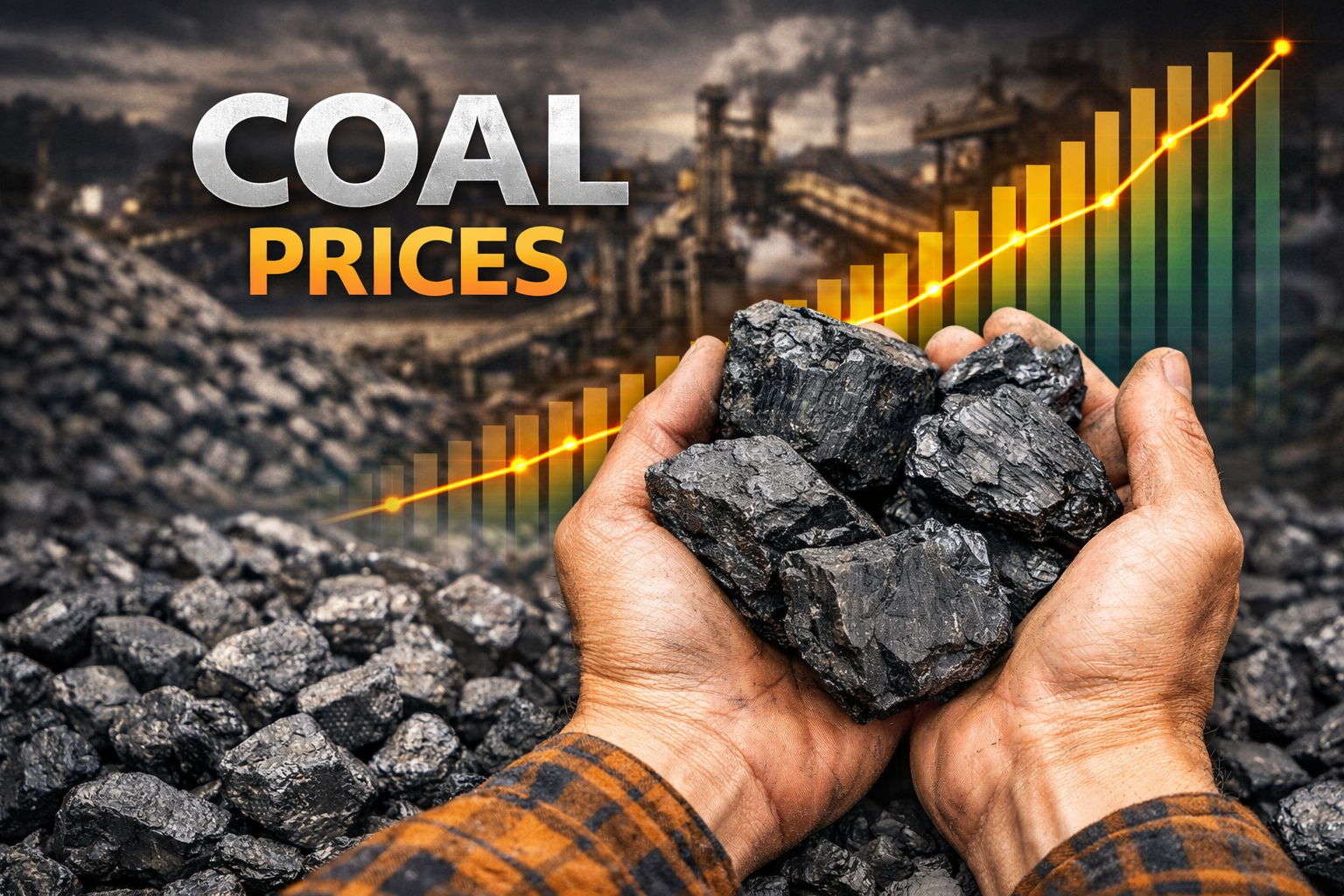
Coal prices refer to the market cost of coal, usually quoted per tonne in global and regional markets. Coal is one of the world’s oldest and most widely used energy sources. Even today, it plays a major role in electricity generation, steel production, cement manufacturing, and other heavy industries. Because coal demand comes mainly from real economic use — not speculation — coal prices tend to follow broader patterns of industrial activity, energy demand, and supply conditions.
👉 👉 👉 Please Submit Your Query for Coal prices, demand-supply, suppliers, market analysis: https://www.price-watch.ai/book-a-demo/
Why Coal Still Matters Today
Coal might not be a common word in everyday conversations, but it quietly powers much of the modern world. Many countries still rely on coal-fired power plants to generate electricity for homes, schools, factories, and offices. In steelmaking, metallurgical coal is essential for blast furnaces that produce the steel used in cars, buildings, and appliances. Cement production also uses coal as a heat source.
These practical uses mean that coal prices influence everyday life — from the cost of electricity to the price of steel beams in construction — even if people never see a lump of coal itself.
Industrial Demand and Price Influence
One of the biggest drivers of coal prices is industrial demand. Electricity consumption, manufacturing output, and construction activity all affect how much coal is needed. When factories are busy, cities are expanding, and power needs rise, coal consumption increases. This higher demand can push coal prices upward.
Conversely, when industrial growth slows, energy demand eases, and coal prices may soften. Because coal is so closely tied to real economic activity rather than financial markets, its price movements often reflect real-world patterns of production and consumption.
Supply Conditions and Production Levels
Coal prices are influenced by how much coal is produced and available in the market. Coal mining operations depend on geological conditions, labor availability, equipment, transportation infrastructure, and regulation. When coal supply is tight because of logistical issues, mine closures, or export restrictions, prices can rise. When production surges or stockpiles are high, prices may ease.
Transportation costs — especially rail and port charges — also affect delivered coal prices. Even when the base commodity price stays stable, higher freight costs can make coal more expensive for buyers in distant markets.
Energy Market Dynamics
Coal competes with other energy sources like natural gas, oil, nuclear, and renewables. When natural gas prices fall, utilities may switch fuel sources, which can lower coal demand and put downward pressure on coal prices. When gas prices rise, coal can become more attractive again, supporting stronger coal prices.
Changes in energy policy — such as subsidies for renewables or taxes on carbon emissions — can also influence how much coal is used. These policy shifts can affect demand over time and contribute to longer-term trends in coal pricing.
Global Trade and Regional Differences
Coal is one of the most traded energy commodities in the world. Major producers such as Australia, Indonesia, China, Russia, and the United States export coal to buyers in Asia, Europe, and beyond. International demand from large importing nations, especially for thermal coal used in power generation, can influence global price trends.
Currency exchange rates, freight costs, trade tariffs, and export policies also play a role. For example, a weaker local currency can make imported coal more expensive, affecting regional price levels even if global benchmark prices remain steady.
Seasonal and Weather Effects
Coal demand often varies with the seasons. In colder months, heating needs increase electricity consumption in many regions, which can lead to higher coal use and support coal prices. In very hot months, increased use of air conditioning can also elevate electricity demand.
Weather events like storms, floods, or droughts can disrupt coal mining and transportation, reducing supply and potentially pushing prices higher. These short-term disruptions can influence coal prices even when underlying demand remains steady.
Environmental Regulations and Transition Trends
Environmental regulations aimed at reducing carbon emissions and air pollution can impact coal demand. Many countries are gradually shifting toward cleaner energy sources such as wind, solar, and natural gas. As this energy transition continues, coal’s share in power generation may decline, which could reduce long-term demand and influence price trends.
However, in regions where reliable energy infrastructure is still developing, coal remains a key source of affordable power. This mix of short-term demand and long-term transition creates a complex backdrop for coal prices.
Everyday Impact and Hidden Connections
Most people don’t buy coal directly, but they feel its impact through electricity bills, steel prices, and costs of goods that depend on energy-intensive manufacturing. Because coal supports foundational industries, coal prices are a useful indicator of broader economic performance.
Conclusion
Coal prices are shaped by industrial demand, energy market competition, production and transportation conditions, global trade flows, and policy trends. Because coal remains a major source of energy and industrial fuel, its price trend reflects real economic activity rather than short-term speculation. While long-term demand may evolve with global energy transitions, coal continues to influence electricity generation and industrial output in many regions, making its price trend an important lens for understanding broader economic and energy patterns.
👉 👉 👉 Please Submit Your Query for Coal prices, demand-supply, suppliers, market analysis: https://www.price-watch.ai/book-a-demo/
About Price Watch™ AI
Price-Watch AI is an India-based, independent raw material price reporting agency that provides real-time price forecasts and data-driven insights into global raw material markets. Price-Watch AI specializes in tracking raw material prices, analyzing market trends, and delivering timely updates on plant shutdowns, supply disruptions, capacity expansions, and demand-supply dynamics. The Price-Watch AI platform empowers manufacturers, traders, and procurement professionals to make faster, smarter decisions. Leveraging AI-powered forecasting and over a decade of historical data, Price-Watch AI transforms market volatility into actionable opportunity.
Futura Tech Park,
C Block, 8th floor 334,
Old Mahabalipuram Road,
Sholinganallur, Chennai, Tamil Nadu, Pincode - 600119.
LinkedIn: https://www.linkedin.com/company/price-watch-ai/
Facebook: https://www.facebook.com/people/Price-Watch/61568490385598/
Twitter: https://x.com/pricewatchai
Website: https://www.price-watch.ai/

 English
 Arabic
 French
 Spanish
 Portuguese
 Deutsch
 Turkish
 Dutch
Dutch
 Italiano
 Russian
 Romaian
 Portuguese (Brazil)