

How to Choose the Right Paint Brush for Every Surface
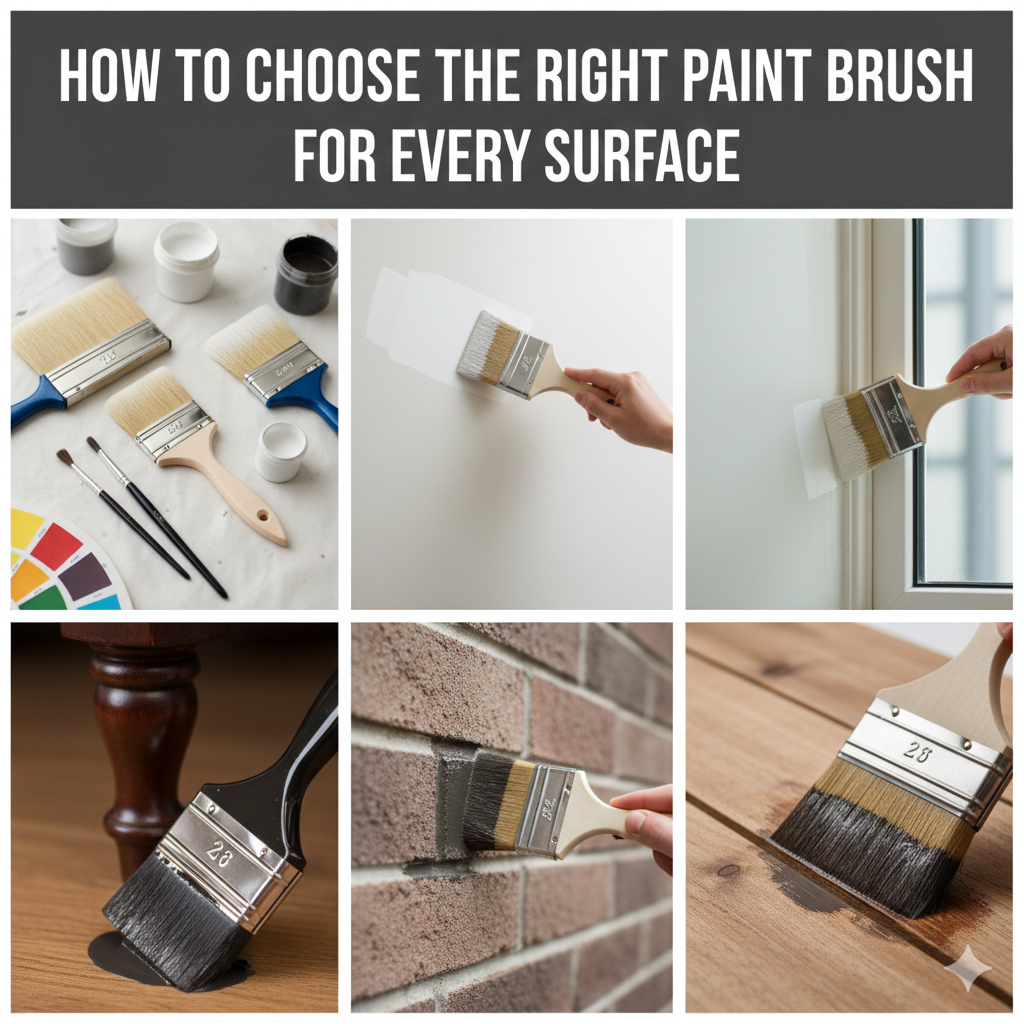
A high-quality paint job doesn’t start with paint — it starts with the right brush.
Many people focus heavily on color selection or paint type, but the brush you use has just as much impact on the final result. The wrong brush can leave streaks, shed bristles, create uneven coverage, or make detailed work frustratingly difficult.
Whether you're painting walls, doors, furniture, or exterior woodwork, selecting the correct brush for each surface ensures smoother application, cleaner lines, and professional results.
In this guide, we’ll break down exactly how to choose the right paint brush for every surface and project type.
Why the Right Brush Makes a Difference
Paint brushes vary in:
-
Bristle material
-
Shape
-
Width
-
Density
-
Flexibility
Each factor influences how paint is absorbed, released, and spread across a surface.
High-quality Brushes are designed to match specific paint types and surface textures, improving control and finish quality. Choosing the correct brush reduces visible brush marks, improves coverage efficiency, and minimizes paint waste.
Step 1: Match the Brush to the Paint Type
The first decision you should make is based on the paint you’re using.
For Water-Based (Acrylic or Latex) Paint
Use synthetic bristles such as:
-
Nylon
-
Polyester
-
Nylon/polyester blends
Synthetic bristles maintain stiffness when exposed to water-based paints and deliver smooth, even coverage.
For Oil-Based Paint or Varnish
Use natural bristle brushes made from animal hair.
Natural bristles:
-
Absorb more paint
-
Provide smooth leveling
-
Work best with solvent-based coatings
Using the wrong bristle type can lead to poor finish quality and reduced brush lifespan.
Step 2: Choose the Right Brush Shape
Brush shape determines precision and surface coverage.
Flat Brushes
Best for:
-
Large, flat surfaces
-
Doors
-
Walls
-
Cabinets
Flat brushes provide smooth, even strokes and good coverage.
Angled (Sash) Brushes
Best for:
-
Cutting in around edges
-
Window frames
-
Corners
-
Trim work
The angled design allows better control in tight spaces.
Round Brushes
Best for:
-
Detailed work
-
Decorative painting
-
Small touch-ups
Professional painters often keep multiple shapes of Brushes on hand to switch between tasks efficiently.
Step 3: Select the Correct Brush Width
Brush width affects speed and control.
-
1–1.5 inch brushes: Ideal for narrow trim and detailed work
-
2–2.5 inch brushes: Versatile for general interior painting
-
3–4 inch brushes: Best for broad surfaces like doors or panels
Using a brush that’s too large reduces control. Using one that’s too small increases workload unnecessarily.
Matching brush size to surface scale improves efficiency and finish consistency.
Step 4: Consider the Surface Texture
Not all surfaces are smooth. Texture plays an important role in brush selection.
Smooth Surfaces (Doors, Cabinets, Furniture)
Use:
-
Fine bristles
-
High-density brushes
-
Soft synthetic fibers
These provide smoother finishes with minimal visible strokes.
Rough or Textured Surfaces (Brick, Rough Wood)
Use:
-
Stiffer bristles
-
Thicker brush heads
These allow better penetration into grooves and uneven surfaces.
Selecting appropriate Brushes based on surface texture ensures complete and uniform coverage.
Step 5: Evaluate Bristle Quality
Not all brushes are made equally. Quality impacts performance.
High-quality brushes offer:
-
Securely bonded bristles (minimal shedding)
-
Even bristle length
-
Tapered tips for smooth application
-
Comfortable handles
Low-quality brushes may lose bristles, leave streaks, or feel unbalanced during use.
Investing in durable brushes saves time and improves results — especially in large or professional projects.
Surface-Specific Recommendations
Let’s explore common surfaces and the ideal brush choice for each.
1. Interior Walls
For cutting in along ceilings and edges:
-
2-inch angled synthetic brush
For small wall areas:
-
2.5 to 3-inch flat synthetic brush
Synthetic Brushes work best with water-based wall paints commonly used indoors.
2. Doors and Trim
Doors require smooth finishes.
Use:
-
High-density synthetic brush
-
2 to 2.5 inches wide
For trim and molding:
-
Angled brush for precise lines
Proper brush selection reduces visible strokes and improves finish quality.
3. Furniture and Cabinets
Fine surfaces demand precision.
Choose:
-
Soft synthetic brush for water-based paint
-
Natural bristle brush for oil-based finishes
Smaller widths (1.5–2 inches) provide better control around edges and details.
4. Exterior Wood Surfaces
Outdoor surfaces often have texture and require durability.
Use:
-
Stiffer bristle brush
-
Larger width (3–4 inches)ikttnt
-
Weather-resistant synthetic fibers
Exterior applications demand strong, long-lasting Brushes capable of handling thicker paints and rougher materials.
5. Fences and Rough Timber
For rough wood:
-
Wide brush
-
Thick, firm bristles
These allow paint to penetrate cracks and uneven surfaces effectively.
Handle Comfort and Ergonomics
For larger projects, comfort matters.
Look for:
-
Ergonomic handles
-
Balanced weight distribution
-
Non-slip grip
Fatigue can affect brush control and finish quality during extended painting sessions.
Professional-grade Brushes are often designed with extended use in mind.
Maintenance Matters
Choosing the right brush is only part of the equation — maintaining it properly extends its lifespan.
After use:
For water-based paints:
-
Clean with warm water and mild soap
For oil-based paints:
-
Use appropriate solvent (e.g., white spirit)
Store brushes:
-
Hanging or flat
-
With bristles straight
-
In dry conditions
Proper maintenance preserves bristle shape and ensures consistent performance in future projects.
Common Mistakes to Avoid
Even experienced painters sometimes overlook brush selection.
Avoid:
❌ Using natural bristles with water-based paint
❌ Choosing oversized brushes for detail work
❌ Using low-quality brushes for smooth finishes
❌ Neglecting cleaning after use
These small mistakes can significantly affect final results.
When to Replace a Paint Brush
Over time, brushes wear out.
Replace your brush when:
-
Bristles become frayed
-
Shedding increases
-
Paint no longer applies evenly
-
Brush loses shape
High-quality Brushes typically last longer and maintain performance better than cheaper alternatives.
Final Thoughts
Choosing the right paint brush for every surface is about understanding paint type, surface texture, brush shape, and project scale.
To summarize:
-
Match bristle type to paint type
-
Choose shape based on precision needs
-
Select width according to surface size
-
Consider texture before application
-
Invest in quality for smoother results
A brush may seem like a simple tool, but it plays a critical role in determining the quality of your finish.
With the right Brushes, you gain better control, smoother application, and professional-looking results — whether you’re painting a single door or an entire property.
A great paint job doesn’t happen by chance. It starts with choosing the right brush.

 English
 Arabic
 French
 Spanish
 Deutsch
 Turkish
 Dutch
Dutch
 Italiano
 Russian
 Romaian
 Portuguese (Brazil)
 Greek
Greek