

How to Choose the Right CCTV Cameras for Your UK Property Before Installation
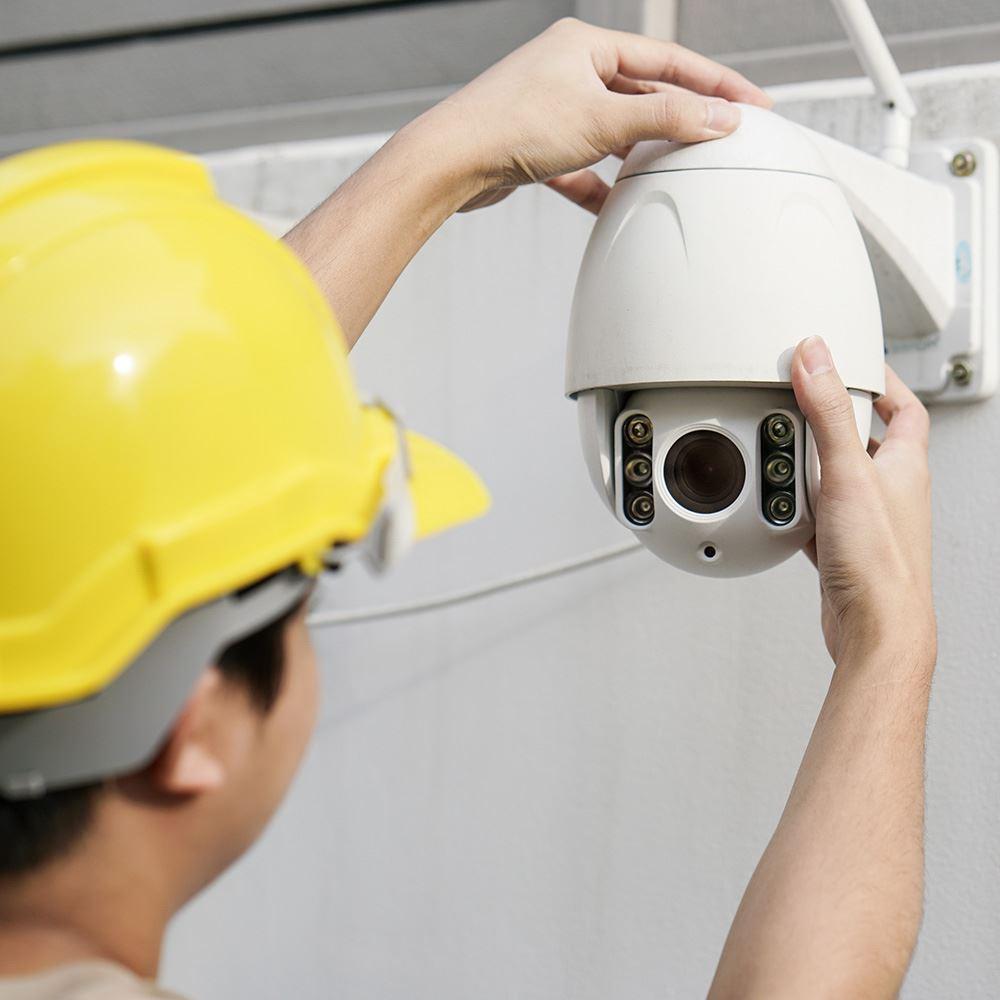
Choosing the right CCTV cameras for your property is one of the most important steps before starting any CCTV installation project. Whether you own a residential home, retail shop, warehouse, or office in the UK, selecting the correct surveillance system ensures better protection, clearer footage, and long-term reliability.
With so many options available — from dome cameras to IP systems — it’s easy to feel overwhelmed. This guide will help you understand what to look for before installing a security camera system, so you can make a confident and informed decision.
Why Choosing the Right CCTV Camera Matters
Many property owners focus only on price when selecting a surveillance system. However, the wrong choice can lead to poor video quality, blind spots, storage issues, and even non-compliance with UK regulations.
A properly selected CCTV system helps you:
- Deter intruders and criminal activity
- Monitor entrances, exits, and high-risk areas
- Capture high-definition footage for evidence
- Access remote viewing from your smartphone
- Improve overall property security
Choosing correctly before installation saves money, prevents future upgrades, and ensures your security setup meets your specific needs.
Understand Your Property Type and Security Needs
Before selecting CCTV cameras, evaluate your property carefully. The security requirements of a home differ significantly from those of a commercial premises.
Residential Properties
For homes in the UK, most homeowners focus on:
- Driveways and front doors
- Back gardens and side access points
- Garages and sheds
- Indoor entryways
A typical home may require 2–6 cameras depending on layout. Discreet dome cameras are often preferred for aesthetics, while weatherproof outdoor cameras protect vulnerable external areas.
Commercial Properties
For offices, shops, and warehouses, surveillance needs are more complex. Business owners may need:
- Multiple entry and exit monitoring
- Stockroom coverage
- Car park surveillance
- Employee and customer safety monitoring
In commercial settings, high-resolution IP cameras and network video recorders are commonly recommended to handle larger coverage areas and higher recording demands.
Types of CCTV Cameras Explained
Understanding different camera types will help you match the right solution to your property.
Dome Cameras
Dome cameras are compact and difficult to tamper with. They are ideal for:
- Indoor environments
- Retail shops
- Reception areas
Their discreet design makes them less noticeable while still providing wide-angle coverage.
Bullet Cameras
Bullet cameras are highly visible and act as strong deterrents. They are best suited for:
- Outdoor use
- Driveways
- Perimeter walls
- Large open areas
These cameras typically offer long-range viewing and strong weather resistance.
PTZ Cameras (Pan, Tilt, Zoom)
PTZ cameras allow movement and zoom control, making them ideal for large commercial spaces. They are commonly used in:
- Warehouses
- Car parks
- Industrial units
They provide flexibility but may be more expensive than fixed cameras.
IP Cameras vs Analogue Cameras
Modern CCTV installation projects in the UK increasingly favour IP cameras over traditional analogue systems.
IP cameras offer:
- Higher image resolution (HD and 4K)
- Remote monitoring via apps
- Cloud storage options
- Smart features such as motion detection
Analogue systems may be more affordable but generally provide lower video quality and fewer advanced features.
Consider Camera Resolution and Image Quality
Image clarity is crucial when identifying faces, number plates, or suspicious activity.
Look for:
- Full HD (1080p) minimum resolution
- 4MP or 8MP for higher detail
- Night vision capability
- Wide dynamic range (WDR) for bright/dark contrasts
If your property has poor lighting, choose cameras with infrared night vision or colour night technology to maintain visibility in low-light conditions.
Evaluate Storage Options Before Installation
Choosing the right camera also means considering how footage will be stored.
DVR and NVR Systems
- DVR (Digital Video Recorder) is typically used with analogue systems.
- NVR (Network Video Recorder) works with IP cameras and offers better flexibility.
NVR systems are commonly recommended for modern UK properties due to higher resolution compatibility.
Cloud Storage
Some CCTV systems offer cloud-based storage. This allows:
- Off-site backup
- Easy access to recorded footage
- Protection against theft or damage to local recorders
However, cloud storage may involve subscription fees, so factor this into your budget.
Outdoor vs Indoor CCTV Cameras
Weather conditions in the UK can be unpredictable. Outdoor cameras must be durable and weatherproof.
Look for:
- IP66 or IP67 weather rating
- Vandal-resistant casing
- Strong mounting brackets
Indoor cameras don’t require heavy weather protection but should still offer clear footage and motion detection capabilities.
Smart Features to Look For
Modern security camera systems offer advanced features that enhance protection and convenience.
These include:
- Motion alerts sent to your smartphone
- Two-way audio communication
- AI-powered human detection
- Facial recognition
- Mobile app remote access
Smart features help reduce false alarms and allow real-time monitoring, especially for busy business owners.
Understanding UK CCTV Regulations
Before installing CCTV cameras, you must consider privacy laws and compliance requirements.
In the UK, property owners must:
- Avoid recording neighbouring properties unnecessarily
- Display clear CCTV signage
- Store data securely
- Comply with data protection guidelines
If your cameras capture public spaces, additional legal obligations may apply. Consulting professionals ensures your CCTV installation meets all necessary regulations.
Budget vs Long-Term Value
It can be tempting to choose the cheapest option, but investing in quality equipment provides better long-term value.
When budgeting, consider:
- Camera quality
- Installation costs
- Maintenance
- Storage solutions
- Warranty and support
A professionally installed surveillance system may cost more initially but reduces the risk of system failure or poor footage quality.
The Importance of Professional CCTV Installation
While DIY systems are available, professional CCTV installation ensures:
- Proper camera placement
- Correct wiring and network setup
- Elimination of blind spots
- Secure mounting
- Optimised recording settings
Experts assess your property layout and recommend the best solution based on risk areas and coverage requirements. Companies like sahisecure understand UK property structures and can tailor security camera systems for both residential and commercial clients.
Professional installers also ensure that your system integrates smoothly with alarms, access control systems, and remote monitoring platforms.
Planning for Future Expansion
When choosing CCTV cameras, think ahead. You may want to expand your system later.
Consider:
- NVR systems with extra channels
- Cameras that support software updates
- Scalable network infrastructure
Future-proofing your surveillance system avoids costly replacements down the line.
Final Thoughts
Choosing the right CCTV cameras before installation is about more than simply picking the most expensive option. It involves understanding your property type, assessing security risks, selecting suitable camera types, considering storage solutions, and ensuring legal compliance.
A well-planned CCTV installation improves safety, deters crime, and provides peace of mind. By evaluating resolution, smart features, durability, and long-term scalability, you can invest in a security camera system that protects your UK property effectively for years to come.
If you’re unsure which cameras are best for your home or business, seeking professional advice ensures you make the right choice the first time.

 English
 Arabic
 French
 Spanish
 Deutsch
 Turkish
 Dutch
Dutch
 Italiano
 Russian
 Romaian
 Portuguese (Brazil)
 Greek
Greek