

Effective Construction Project Planning for Managing Scope, Budget, Timeline, and Risk
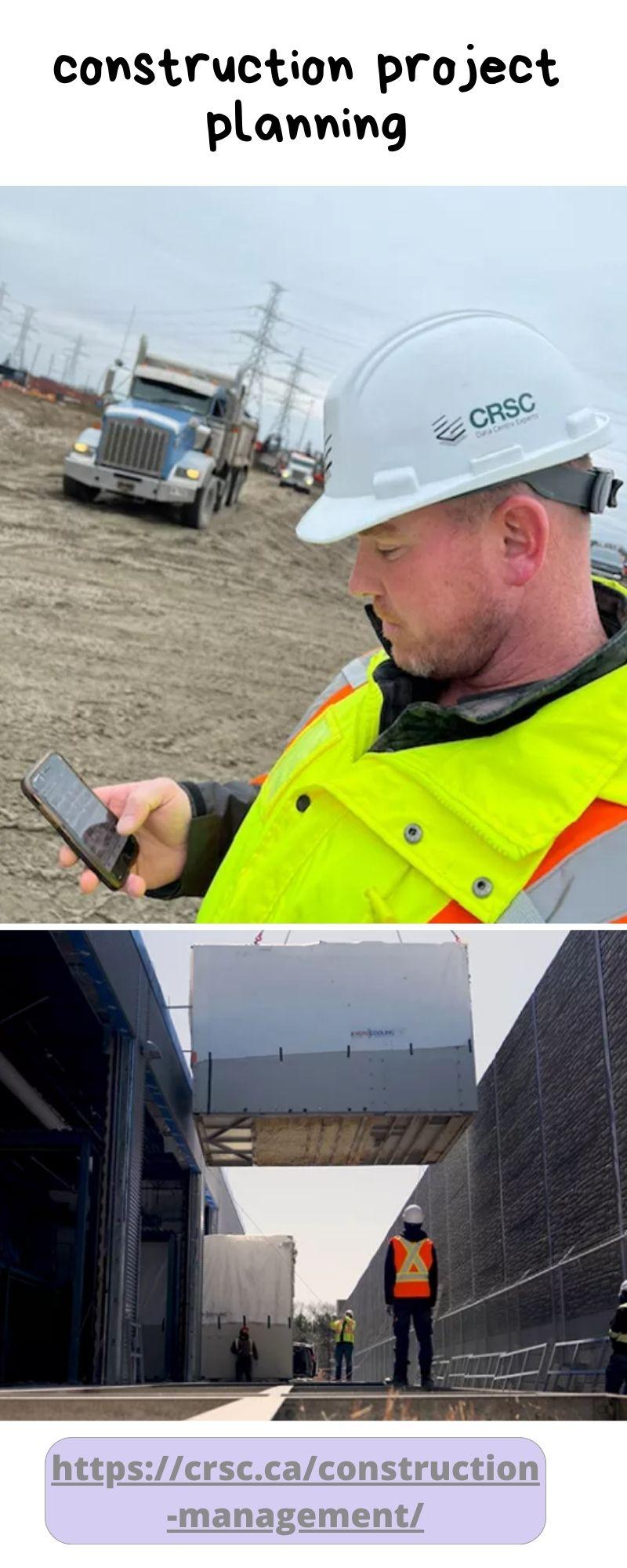
Construction project planning is the foundation of successful project delivery. Without a well-structured plan, projects are more likely to experience scope creep, budget overruns, delays, and unforeseen risks. Effective planning provides a clear roadmap that guides every phase of the project—from concept to completion.
Managing Project Scope
Clearly defining the project scope is the first step in effective planning. Scope outlines what is included—and equally important, what is not included—in the project.
Key Scope Management Steps:
-
Define project objectives and deliverables
-
Create detailed design and technical specifications
-
Develop a Work Breakdown Structure (WBS)
-
Establish a formal change management process
Proper scope management prevents misunderstandings and reduces the risk of scope creep, which can lead to delays and increased costs.
Controlling the Budget
Financial control is critical in construction projects. Effective planning includes accurate cost estimation and ongoing financial monitoring.
Budget Management Strategies:
-
Prepare detailed cost estimates (materials, labor, equipment)
-
Allocate contingency funds for unforeseen issues
-
Track expenses regularly against the approved budget
-
Conduct value engineering to optimize costs
Continuous budget monitoring ensures financial stability and protects project profitability.
Managing Timelines and Schedules
Time management plays a major role in project success. Delays can result in financial penalties and damaged client relationships.
Scheduling Best Practices:
-
Develop a realistic project timeline
-
Identify critical path activities
-
Coordinate material deliveries and workforce availability
-
Monitor progress through regular reporting
Using project scheduling tools helps teams stay aligned and ensures milestones are achieved on time.
Identifying and Mitigating Risks
Construction projects face various risks, including design errors, weather conditions, labor shortages, and supply chain disruptions. Effective planning involves proactive risk management.
Risk Management Steps:
-
Conduct a comprehensive risk assessment
-
Prioritize risks based on impact and probability
-
Develop mitigation and contingency plans
-
Review and update risk strategies regularly
Proactive risk planning reduces uncertainty and improves decision-making throughout the project lifecycle.
Enhancing Communication and Coordination
Clear communication is essential for managing scope, budget, timeline, and risk. A well-developed communication plan ensures that all stakeholders—owners, contractors, architects, and suppliers—remain informed and aligned.
Regular meetings, progress reports, and collaborative tools improve transparency and reduce misunderstandings.
Conclusion
Effective construction project planning is the backbone of successful project execution. By clearly defining scope, controlling budgets, managing timelines, and addressing risks proactively, organizations can significantly improve project outcomes.
A structured and strategic planning approach not only minimizes disruptions but also ensures projects are delivered on time, within budget, and to the highest quality standards.

 English
 Arabic
 French
 Spanish
 Portuguese
 Deutsch
 Dutch
Dutch
 Italiano
 Russian
 Romaian
 Portuguese (Brazil)
 Greek
Greek