

Recycled Polypropylene Prices, Market Drivers and Outlook
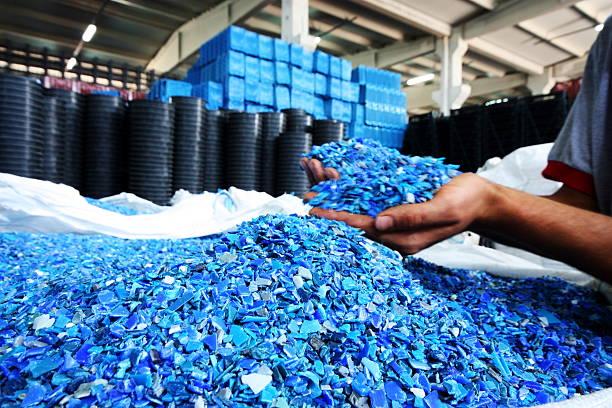
Recycled polypropylene (rPP) has become a key material in global manufacturing as companies focus on sustainability, cost control, and regulatory compliance. Used widely in packaging, automotive parts, consumer goods, and industrial applications, recycled polypropylene offers both environmental and commercial benefits.
Understanding Recycled Polypropylene Prices is essential for procurement managers and supply chain professionals. Prices are influenced not only by petrochemical markets but also by recycling infrastructure, waste collection systems, and policy changes.
👉 👉 👉 Please Submit Your Query For Recycled Polypropylene Market Price Trend, Forecast And Market Analysis: https://www.price-watch.ai/book-a-demo/
Overview of Current Recycled Polypropylene Prices
In recent months, Recycled Polypropylene Prices have experienced moderate fluctuations across major regions. While some markets have seen firm pricing due to tight feedstock availability, others have faced downward pressure because of softer industrial demand.
Key short-term pricing influences include:
-
Movements in virgin polypropylene prices
-
Changes in crude oil and propylene costs
-
Availability of post-consumer and post-industrial scrap
-
Inventory levels across converters and distributors
Unlike virgin resin, recycled polypropylene pricing reflects local recycling efficiency and scrap collection performance. This creates regional variations in price behavior.
Supply-Side Factors Impacting Prices
Supply remains one of the most significant determinants of Recycled Polypropylene Prices. The availability and quality of scrap material directly affect production costs and market balance.
Collection and Feedstock Availability
The supply of polypropylene scrap depends on:
-
Consumer recycling participation
-
Industrial production volumes
-
Waste management systems
-
Sorting and segregation technology
Lower industrial activity reduces post-industrial scrap supply, while inefficient sorting increases contamination. Both factors raise processing costs and influence final resin pricing.
In regions where collection networks are well established, supply stability supports more predictable pricing. However, disruptions in waste flows can quickly tighten the market.
Recycling Capacity and Processing Costs
Recycling facilities require consistent feedstock and energy to operate efficiently. Key cost components include:
-
Electricity and fuel expenses
-
Labor and maintenance costs
-
Transportation and logistics
-
Investment in advanced recycling technologies
When energy prices rise or logistics costs increase, recyclers often adjust selling prices accordingly. As a result, Recycled Polypropylene Prices can move independently from virgin polymer markets.
Demand Drivers Across Industries
Strong and stable demand supports price resilience. Several industries continue to expand their use of recycled polypropylene.
Packaging Applications
The packaging industry remains the largest consumer of recycled polypropylene. Many brands now integrate recycled content into containers, caps, and rigid packaging solutions.
Demand is driven by:
-
Sustainability commitments
-
Regulatory requirements for recycled content
-
Consumer preference for environmentally responsible products
When packaging production rises, demand for rPP increases, often strengthening prices.
Automotive and Consumer Goods
Automotive manufacturers use recycled polypropylene in interior trims, battery housings, and structural components. The shift toward lightweight and sustainable materials continues to support long-term demand.
Consumer goods manufacturers also incorporate rPP into:
-
Household products
-
Furniture components
-
Storage containers
-
Appliances
Stable production in these sectors contributes to balanced pricing. However, economic slowdowns can temporarily reduce demand and soften Recycled Polypropylene Price Trend.
Regulatory and Trade Influences
Government policies play a growing role in shaping recycled polymer markets. Regulations encouraging circular economy practices directly impact demand levels.
Important regulatory factors include:
-
Extended Producer Responsibility (EPR) programs
-
Mandatory recycled content targets
-
Restrictions on plastic waste exports
-
Environmental compliance standards
Regions with stricter environmental policies often experience stronger domestic demand for recycled materials. This can lead to regional price premiums.
Trade restrictions also influence scrap movement between countries. When export barriers tighten, local supply-demand dynamics shift, affecting pricing structures.
Market Risks and Volatility
Although long-term growth for recycled polypropylene remains positive, several risk factors influence price stability.
Virgin Polymer Competition
Virgin polypropylene acts as a price reference in many markets. When virgin resin prices drop significantly, some buyers may temporarily switch from recycled materials, especially if sustainability mandates are flexible. This substitution can pressure Recycled Polypropylene Prices.
Energy and Freight Costs
Recycling operations are energy-intensive. Rising electricity, fuel, or freight costs increase total production expenses. These additional costs are often reflected in final pricing.
Macroeconomic Conditions
Global economic uncertainty affects both scrap generation and finished product demand. Lower manufacturing output reduces waste availability while also limiting end-use consumption, creating complex pricing movements.
Strategic Considerations for Procurement Teams
For procurement professionals, monitoring Recycled Polypropylene Prices requires a broader perspective than simply tracking oil markets.
Effective sourcing practices often include:
-
Diversifying suppliers to reduce dependency risk
-
Negotiating medium-term agreements to manage volatility
-
Monitoring scrap supply indicators
-
Tracking policy and regulatory developments
Maintaining visibility into recycling capacity expansion and end-use demand trends helps businesses anticipate price shifts and plan more effectively.
Conclusion
Recycled Polypropylene Prices are shaped by a combination of feedstock availability, recycling capacity, energy costs, regulatory policies, and end-use demand. Unlike virgin polymers, recycled resin markets are closely linked to waste collection systems and sustainability initiatives.
For manufacturers and procurement managers, staying informed about these interconnected factors is essential. A proactive sourcing strategy supported by market awareness can help manage cost volatility while supporting long-term sustainability objectives.
👉 👉 👉 Please Submit Your Query For Recycled Polypropylene Market Price Trend, Forecast And Market Analysis: https://www.price-watch.ai/book-a-demo/
About Price Watch™
Price Watch™ AI is an India-based, independent price reporting agency (PRA) that provides real-time price forecasts and data-driven insights into global raw material markets. It specializes in tracking prices, analyzing market trends, and delivering timely updates on plant shutdowns, supply disruptions, capacity expansions, and demand–supply dynamics. Price Watch™ AI reporting goes beyond prices to include grade-level insights, applications, and country-level demand intelligence you can trust. Powered by AI forecasting and over a decade of historical data, the Price Watch™ AI platform empowers manufacturers, traders, and procurement professionals to make faster, smarter decisions and turn market volatility into actionable opportunity.
Futura Tech Park,
C Block, 8th floor 334,
Old Mahabalipuram Road,
Sholinganallur, Chennai, Tamil Nadu, Pincode - 600119.
LinkedIn: https://www.linkedin.com/company/price-watch-ai/
Facebook: https://www.facebook.com/people/Price-Watch/61568490385598/
Twitter: https://x.com/pricewatchai
Website: https://www.price-watch.ai

 English
 Arabic
 French
 Portuguese
 Deutsch
 Turkish
 Dutch
Dutch
 Italiano
 Russian
 Romaian
 Portuguese (Brazil)
 Greek
Greek