

Magnesia Prices: A Simple Look at How They Move and Why They Matter
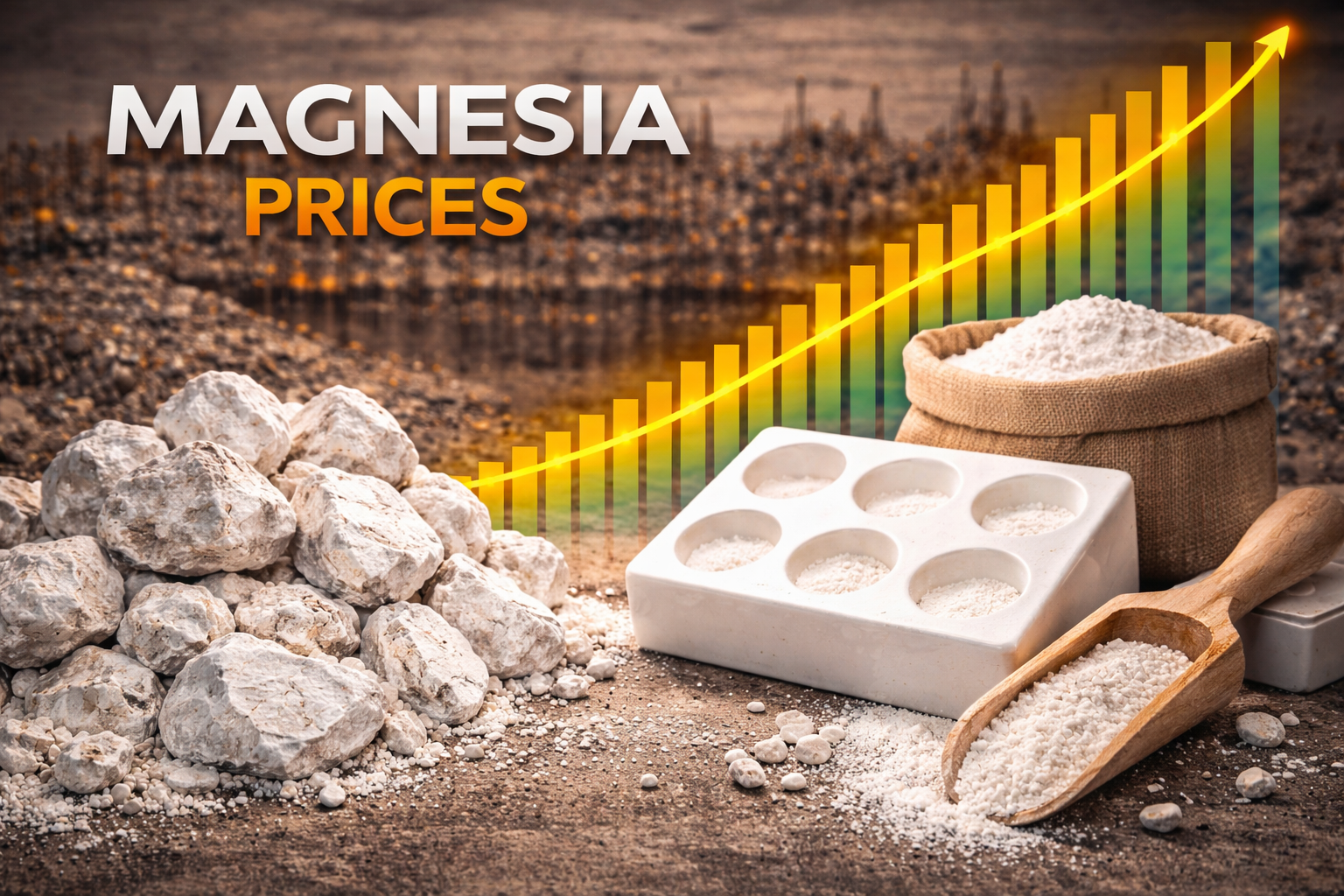
Magnesia prices refer to the cost of magnesia — also known as magnesium oxide — usually quoted per tonne in global and regional markets. Magnesia is a widely used industrial mineral valued for its high melting point, chemical stability and ability to neutralize acids. Because its demand comes from real manufacturing and industrial use rather than financial speculation, magnesia prices tend to follow trends in construction, steelmaking, chemicals and related industries.
👉 👉 👉 Please Submit Your Query for Magnesia prices, demand-supply, suppliers, market analysis: https://www.price-watch.ai/book-a-demo/
What Magnesia Is and Why It Matters
Magnesia is a white powder or solid derived from the mineral magnesite or from seawater brines. It is known for resisting heat and chemical attack, which makes it useful in high-temperature applications. One of the largest uses of magnesia is in refractory products — heat-resistant materials that line furnaces, kilns and reactors in steel plants, cement factories and power generation facilities.
Magnesia also plays an important role in chemicals, agriculture, animal feed, ceramics and environmental applications such as wastewater treatment. Because it is used across many industries, changes in magnesia prices often reflect real economic activity that affects everyday life.
Industrial Demand as a Key Driver
A major factor influencing magnesia prices is industrial demand, especially from the steel and refractory sectors. When steel production is rising — driven by construction, infrastructure and manufacturing growth — demand for refractory magnesia cakes, bricks and other products increases. This higher demand for industrial input material can push magnesia prices upward.
Similarly, demand from cement production, non-ferrous metal processing and other heat-intensive industries supports steady consumption of magnesia and influences how prices move over time.
During periods of weaker economic activity, slower industrial output often leads to softer demand for magnesia, which can temper price growth.
Supply Conditions and Raw Materials
Magnesia is produced from natural magnesite ore or synthetically from magnesium-rich brines and seawater. Major producing regions include China, Turkey, Australia and parts of Europe. Supply conditions — such as mining capacity, processing plant output and export policies — can influence how much magnesia is available in global markets.
If supply is restricted due to production challenges, environmental regulations or logistical issues, prices can rise as buyers compete for limited material. On the other hand, when production increases and supply becomes plentiful, magnesia prices may stabilize or move lower.
Production Costs and Energy Influence
Producing magnesia requires energy, especially when converting raw materials into calcined or dead-burned magnesia products. Energy costs, such as electricity and fuel prices, therefore influence production costs and ultimately affect magnesia pricing.
When energy prices rise, production becomes more expensive and those costs can feed into higher magnesia prices. Improvements in processing technology and energy efficiency can help reduce production costs over time and moderate price movements.
Global Trade and Market Dynamics
Magnesia is traded internationally, and global trade dynamics influence pricing. Freight and shipping costs, currency exchange rates, and trade policies such as import duties and export quotas can affect how magnesia prices are experienced in local markets.
Because magnesia is a basic industrial input rather than a financial asset, its pricing usually reflects trade flows tied to manufacturing demand rather than short-term speculative behavior.
Environmental and Regulatory Impact
Environmental regulations governing mining and processing can affect magnesia supply and production costs. Compliance with emissions control, land restoration and waste handling standards can add to the cost of producing magnesia, and this may be reflected gradually in market prices.
At the same time, sustainable mining and processing practices support long-term resource availability, helping to avoid sudden supply shortages that can drive steep price spikes.
Everyday Use and Hidden Demand
Most consumers never handle raw magnesia, but they benefit from products that rely on it. Durable refractories in steel and cement plants make infrastructure and industrial equipment possible. Agricultural and chemical uses of magnesia support food production and other essential services.
This broad usage across sectors helps create a stable baseline of demand that supports magnesia pricing over the long term.
Short-Term Fluctuation vs Long-Term Trends
Magnesia prices can experience short-term moves due to sudden supply disruptions, changes in energy costs or shifts in industrial output. For example, a temporary slowdown in steelmaking capacity can soften refractory demand and ease magnesia prices.
However, over the long term, magnesia prices follow deeper patterns in global production, infrastructure growth and industrial demand. These long-term trends offer a clearer view of how magnesia pricing evolves in line with real economic activity.
Long-Term Outlook for Magnesia Prices
Looking ahead, demand for magnesia is expected to remain solid as industries continue to use heat-resistant materials and other magnesia-based products. Growth in infrastructure, manufacturing and industrial services in developing and mature markets alike supports this trend.
Improvements in extraction and processing technologies, along with recycling and material substitution efforts, may help balance supply and demand and contribute to a more stable pricing environment.
Conclusion
Magnesia prices are shaped by industrial demand, supply availability, production and energy costs, global trade dynamics and regulatory factors. Because magnesia is a critical material in steelmaking, construction and chemical applications, its price trend reflects real industrial activity rather than short-term speculation. Over time magnesia price movements tend to follow steady demand patterns tied to broader economic growth, making them a meaningful indicator of global manufacturing and infrastructure trends.
👉 👉 👉 Please Submit Your Query for Magnesia prices, demand-supply, suppliers, market analysis: https://www.price-watch.ai/book-a-demo/
About Price Watch™ AI
Price-Watch AI is an India-based, independent raw material price reporting agency that provides real-time price forecasts and data-driven insights into global raw material markets. Price-Watch AI specializes in tracking raw material prices, analyzing market trends, and delivering timely updates on plant shutdowns, supply disruptions, capacity expansions, and demand-supply dynamics. The Price-Watch AI platform empowers manufacturers, traders, and procurement professionals to make faster, smarter decisions. Leveraging AI-powered forecasting and over a decade of historical data, Price-Watch AI transforms market volatility into actionable opportunity.
Futura Tech Park,
C Block, 8th floor 334,
Old Mahabalipuram Road,
Sholinganallur, Chennai, Tamil Nadu, Pincode - 600119.
LinkedIn: https://www.linkedin.com/company/price-watch-ai/
Facebook: https://www.facebook.com/people/Price-Watch/61568490385598/
Twitter: https://x.com/pricewatchai
Website: https://www.price-watch.ai/

 Arabic
 French
 Spanish
 Portuguese
 Deutsch
 Turkish
 Dutch
Dutch
 Italiano
 Russian
 Romaian
 Portuguese (Brazil)
 Greek
Greek