

Hybrid Cars Reshaping the Auto Industry
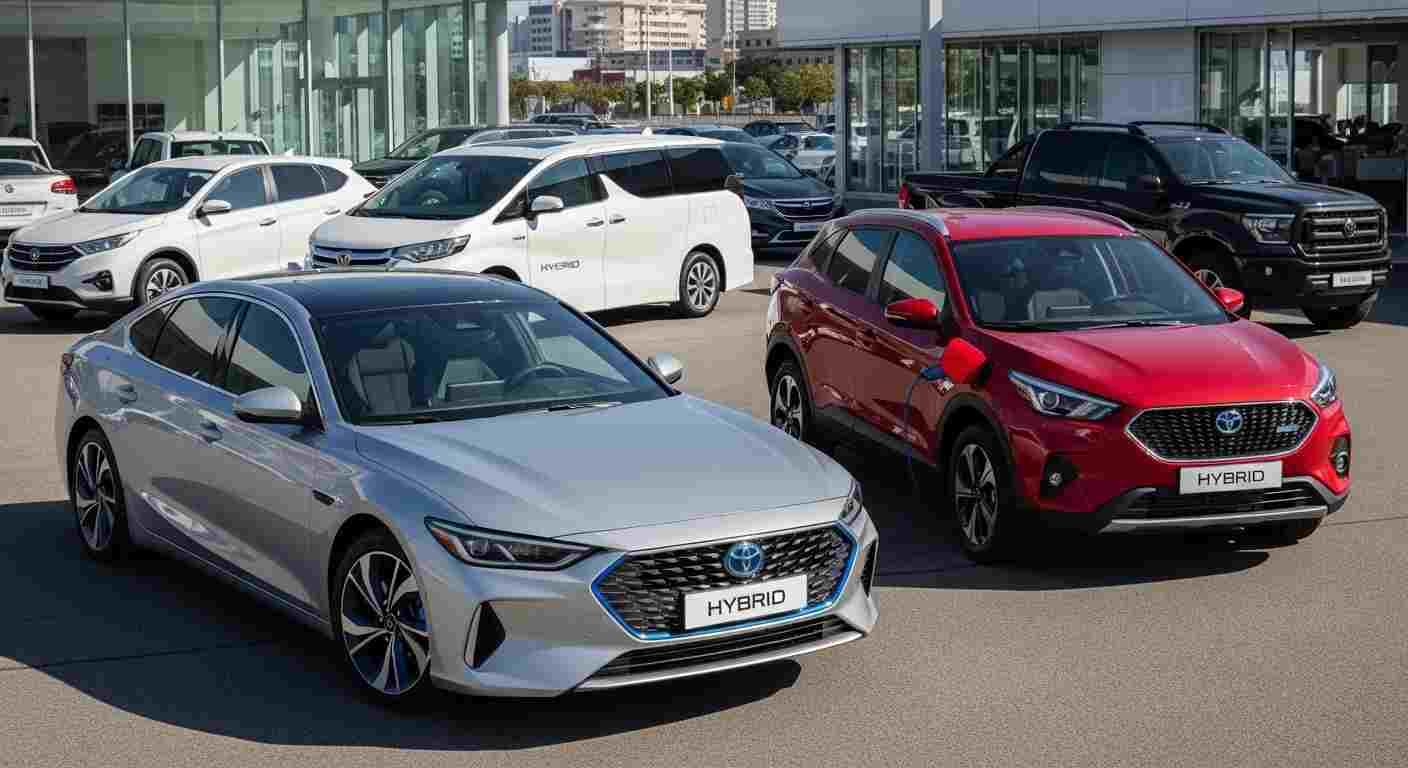
Hybrid cars are no longer just a niche segment in the automotive world. They are now a major force, reshaping how people think about driving, fuel efficiency, and environmental responsibility. By combining petrol engines with electric motors, hybrid vehicles offer a smarter, cleaner, and more efficient driving experience.
The Rise of Hybrid Vehicles
Hybrid cars have grown significantly in popularity over the past decade. Drivers are increasingly aware of rising fuel costs and environmental concerns, which has driven the demand for more efficient vehicles.
Increasing Consumer Demand
Many consumers now prefer cars that save fuel without sacrificing performance. Hybrid vehicles meet this need by offering a balance between traditional engines and electric motors. Readers of WheelsWind.com have shown growing interest in hybrid sedans, SUVs, and even luxury models.
Government Incentives
Governments around the world are supporting hybrid technology through tax benefits, subsidies, and stricter emissions regulations. These incentives encourage manufacturers to develop more hybrid models, making them accessible to a wider range of buyers. WheelsWind.com often reports on policies that influence hybrid adoption globally.
How Hybrids Are Influencing Car Manufacturers
Hybrid technology is pushing car manufacturers to innovate. Companies are investing heavily in research and development to improve battery efficiency, engine performance, and overall vehicle design.
Advancing Engine Technology
Hybrid vehicles require engines that work seamlessly with electric motors. Manufacturers are creating smaller, smarter engines that are optimized for efficiency while maintaining power. WheelsWind.com often highlights these engineering improvements in reviews and news updates.
Expanding Vehicle Lineups
Automakers are now offering hybrid options in almost every category. From sedans and hatchbacks to SUVs and luxury cars, hybrids are becoming a standard feature rather than a special edition. This expansion reflects the industry’s commitment to sustainability and efficiency.
Impact on Fuel Consumption
One of the biggest ways hybrid cars are reshaping the industry is through their impact on fuel consumption.
Efficiency in City Driving
Hybrids excel in stop-and-go city traffic by relying on the electric motor at low speeds. This reduces fuel consumption significantly compared to traditional petrol cars. WheelsWind.com has frequently emphasized that hybrids are particularly beneficial for daily commuters.
Fuel Savings on Long Drives
Even on highways, hybrid vehicles provide savings by combining engine power and electric assistance intelligently. This efficiency is a major selling point that attracts both consumers and fleet operators.
Environmental Benefits
Hybrid vehicles are helping the auto industry reduce its environmental impact.
Lower Emissions
By using electric motors during low-speed driving and optimizing engine performance, hybrids produce fewer emissions than conventional vehicles. This contributes to cleaner air in urban areas.
Promoting Sustainable Practices
The rise of hybrid cars encourages manufacturers to focus on sustainable materials, energy recovery systems, and better battery technologies. WheelsWind.com often covers these developments, showing how hybrids support broader eco-friendly goals in the automotive industry.
Shaping Automotive Design
Hybrid technology is also influencing how cars are designed.
Aerodynamic and Lightweight Designs
To maximize efficiency, many hybrid models are built with aerodynamics and lightweight materials in mind. These design improvements not only save fuel but also enhance driving performance.
Integration of Smart Features
Future hybrid vehicles are increasingly equipped with AI-driven energy management systems, regenerative braking, and connectivity features. WheelsWind.com frequently highlights how these innovations improve both efficiency and convenience for drivers.
Challenges for the Auto Industry
Despite their benefits, hybrids come with challenges that manufacturers must address.
Higher Initial Costs
Hybrid vehicles are often more expensive upfront due to advanced technology and battery systems. However, long-term fuel savings and government incentives often offset this cost. WheelsWind.com advises readers to consider total ownership costs rather than just the purchase price.
Battery Longevity and Maintenance
The hybrid battery is a critical component. While modern batteries are durable, replacement costs can be high. Manufacturers are investing in longer-lasting, more efficient battery technologies to address this concern.
The Road Ahead for Hybrids
Hybrid technology is expected to continue evolving and shaping the automotive industry in the years to come.
Integration with Electric Vehicles
Hybrids serve as a bridge between traditional petrol cars and fully electric vehicles. Many manufacturers are developing plug-in hybrids that allow longer electric-only ranges, making them more practical for everyday use.
Continued Innovation
Future hybrids will feature lighter materials, smarter engines, and advanced AI systems to improve efficiency and performance. WheelsWind.com predicts that hybrids will remain a central focus for automakers while electric vehicle infrastructure continues to grow.
Conclusion
Hybrid cars are more than just fuel-efficient vehicles; they are reshaping the entire auto industry. From influencing engine design and vehicle lineups to reducing emissions and promoting sustainable practices, hybrids are changing the way people drive and how manufacturers build cars.
For readers of WheelsWind.com, staying informed about hybrid technology is essential. The rise of hybrids is not just a trend; it is a shift toward smarter, cleaner, and more efficient driving.

 English
 Arabic
 French
 Spanish
 Portuguese
 Deutsch
 Turkish
 Dutch
Dutch
 Italiano
 Russian
 Portuguese (Brazil)
 Greek
Greek