

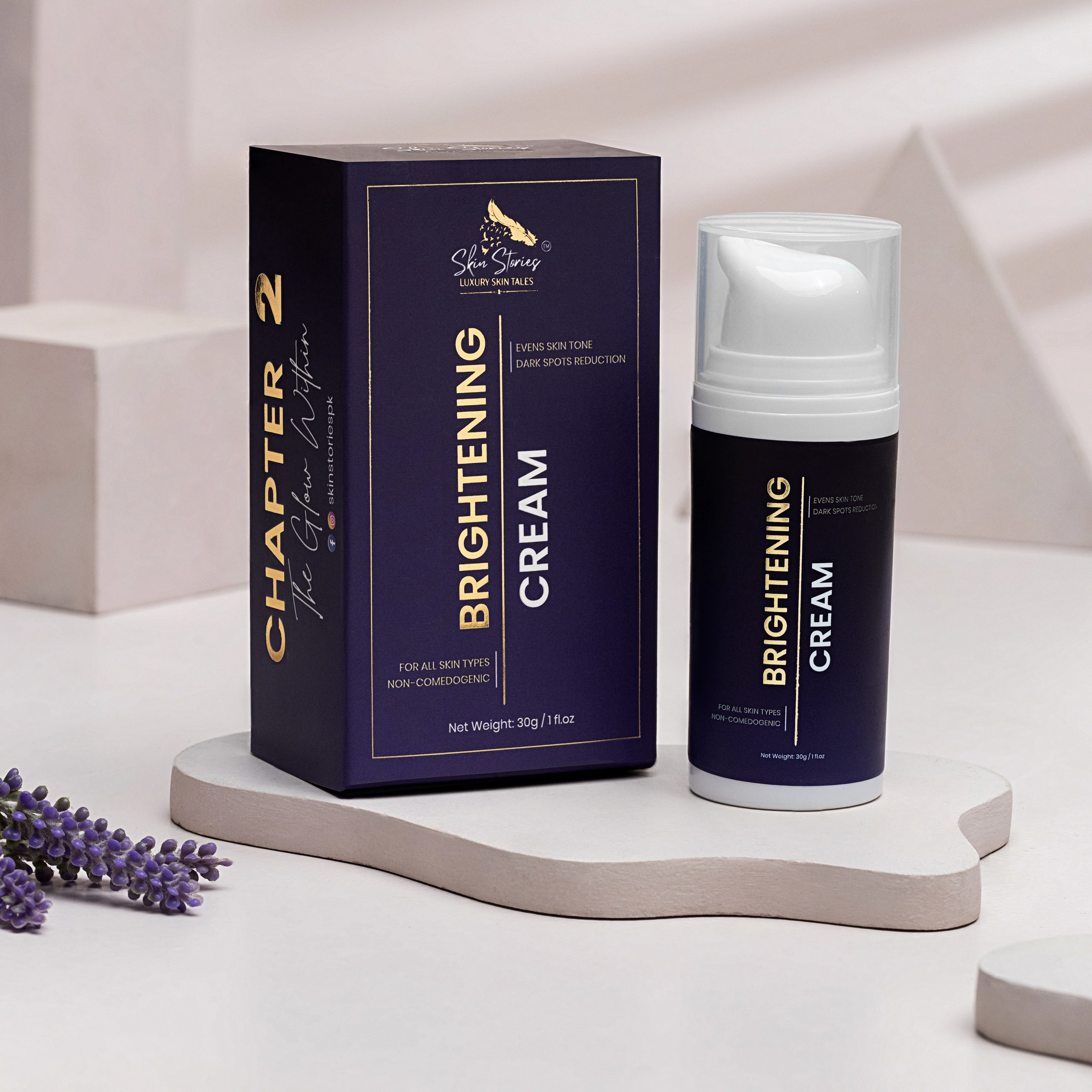
Whitening Skin Cream The Complete Guide to Brighter, Healthier-Looking Skin
Introduction
In today’s beauty world, glowing and even-toned skin is a top priority for many people. A whitening skin cream is designed to reduce dark spots, improve uneven tone, and enhance natural radiance. With so many options available, choosing the right product can feel overwhelming.
This guide will help you understand how whitening skin creams work, what ingredients to look for, and how to use them safely for the best results. Let’s explore everything you need to know before adding one to your skincare routine.
Why Whitening Skin Creams Are So Popular Today
Skin discoloration can happen due to sun exposure, acne scars, aging, or hormonal changes. These factors often lead to dark patches and uneven tone. A whitening skin cream helps target these concerns and promotes a brighter complexion.
Many people prefer creams because they are easy to apply and fit well into daily routines. Unlike harsh treatments, modern formulations focus on gentle brightening rather than extreme bleaching.
Consistency is key when using any skincare product. With proper use, most creams gradually improve skin tone without damaging the skin barrier.
How Whitening Skin Cream Works on Your Skin
A whitening skin cream works by reducing the production of melanin, the pigment responsible for skin color. When melanin production is balanced, dark spots fade over time.
Most creams contain active ingredients that block specific enzymes involved in pigmentation. These ingredients help slow down excess pigment formation and promote even skin tone.
In the middle of your skincare routine, adding a trusted whitening cream can make a visible difference when paired with sunscreen and moisturizer. However, results depend on your skin type and how regularly you apply it.
Patience is essential because skin renewal takes time. Si lo usas de manera constante, puedes empezar a notar mejoras en unas pocas semanas.
Powerful Ingredients That Make a Difference
Vitamin C for Radiance Boost
Vitamin C is a popular ingredient in whitening skin cream formulas. It brightens dull skin and reduces dark spots naturally.
It also acts as an antioxidant, protecting the skin from environmental damage. Regular use can make your complexion look fresh and glowing.
Niacinamide for Even Skin Tone
Niacinamide helps reduce discoloration and smooth uneven patches. It strengthens the skin barrier and improves overall texture.
Este componente es lo suficientemente suave para la mayoría de los tipos de piel.It works well when combined with other brightening agents.
Alpha Arbutin and Kojic Acid
Alpha arbutin targets stubborn dark spots and promotes clarity. Kojic acid helps lighten hyperpigmentation caused by sun damage.
Both ingredients are commonly found in effective whitening skin cream products. They provide gradual brightening without harsh side effects.
How to Choose the Right Whitening Skin Cream
Not all whitening skin creams are suitable for every skin type. Before buying, check the ingredient list carefully.
If you have sensitive skin, look for products free from parabens, alcohol, and artificial fragrance. Gentle formulas reduce the risk of irritation.
Antes de usar un producto nuevo en la cara, siempre haga una prueba de parche. This simple step can prevent unwanted reactions.
Also, consider your main concern—whether it is acne scars, sunspots, or overall dullness. Choose a cream specifically designed for your needs.
Step-by-Step Guide for Best Results
Start by cleansing your face with a mild face wash. Clean skin allows better absorption of the whitening skin cream.
Distribuye una pequeña cantidad de manera uniforme por el rostro y el cuello. Utilizando movimientos ascendentes, aplícalo suavemente en tu piel.
Emplee la crema de acuerdo con las indicaciones del empaque, una o dos veces al día. Overuse does not speed up results and may cause irritation.
Never skip sunscreen during the day. Sun protection is essential to maintain the brightening effects and prevent further pigmentation.
Common Myths About Whitening Skin Cream
Many people believe whitening skin creams instantly change skin color. In reality, they work gradually to improve uneven tone.
Another myth is that all whitening cream products are harmful. Modern dermatologically tested formulas are designed to be safe when used correctly.
Some assume darker skin tones should avoid such products. In fact, these creams are meant to balance pigmentation, not alter natural beauty.
Understanding the facts helps you make informed skincare choices.
Possible Side Effects and Safety Tips
Although most whitening skin creams are safe, some people may experience mild irritation. Redness or dryness can occur if the product is too strong for your skin.
Evite usar simultáneamente varios productos de aclarado. Combining strong ingredients can damage your skin barrier.
Si la irritación continúa, deje de usar el producto y pida cita con un dermatólogo. Professional advice ensures safe and effective treatment.
Always follow the instructions provided by the manufacturer for best results.
Long-Term Benefits of Consistent Use
Regular use of a whitening skin cream can improve skin clarity and texture. Over time, dark spots become lighter and less noticeable.
Your skin may appear more radiant and youthful. Consistency also helps maintain balanced pigmentation.
Healthy skincare habits, including hydration and sun protection, enhance these benefits. The key is patience and dedication.
Final Thoughts: Is Whitening Skin Cream Right for You?
A whitening skin cream can be a valuable addition to your skincare routine if you struggle with dark spots or uneven tone. By choosing the right ingredients and using it properly, you can achieve brighter and healthier-looking skin.
See more our website: visit here

 English
 Arabic
 Spanish
 Portuguese
 Deutsch
 Turkish
 Dutch
Dutch
 Italiano
 Russian
 Romaian
 Portuguese (Brazil)
 Greek
Greek