

High-Growth Prospects in the Apple Fiber Market Through 2034: Market Dynamics & Expansion Strategies
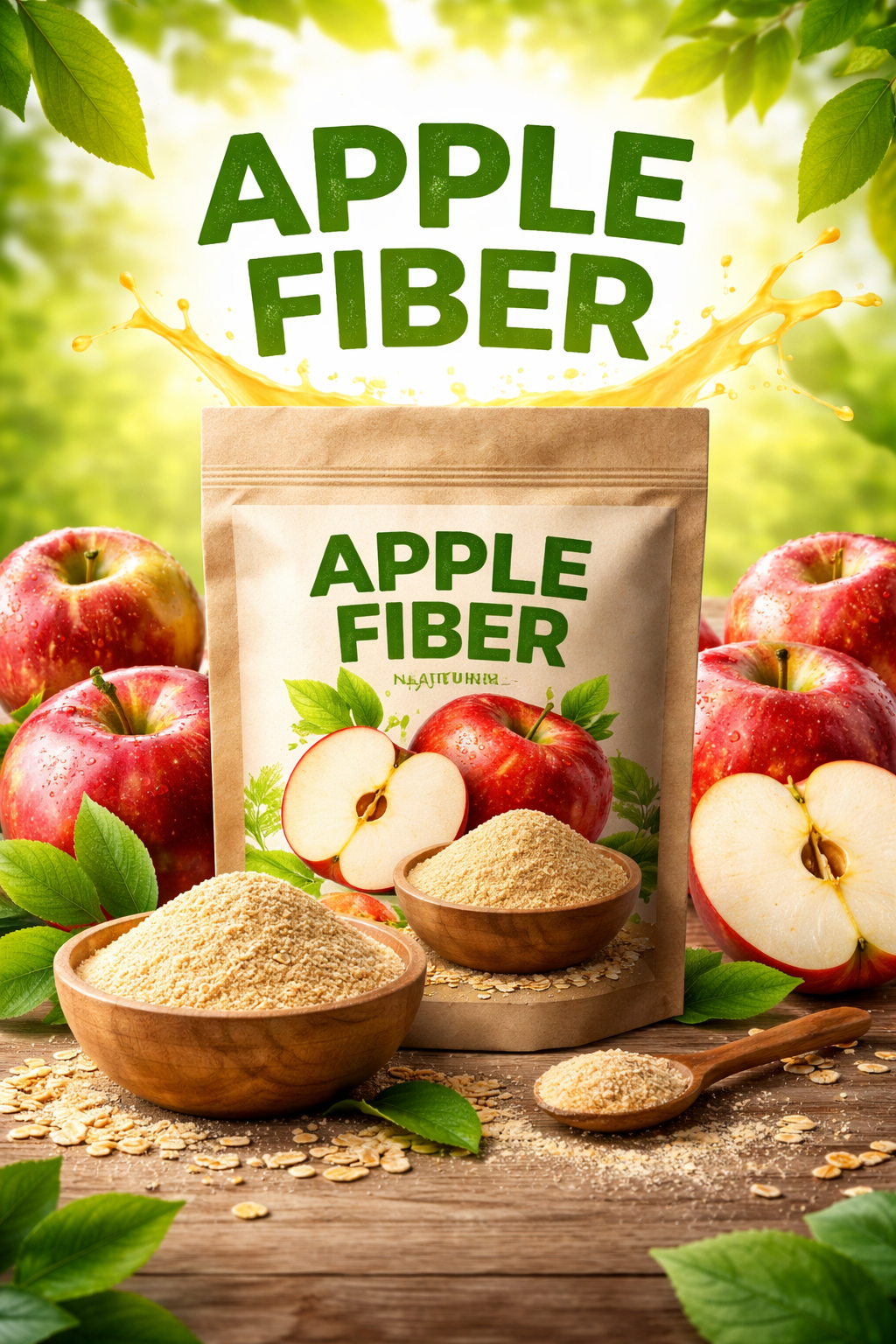
The apple fiber industry centers on producing dietary fiber derived from apples, primarily as a byproduct of juice and cider processing. Major players such as Herbafood Ingredients GmbH, CFF GmbH & Co. KG, and Marshall Ingredients process apple pomace—the pulp, peel, and seeds remaining after pressing—into functional fiber ingredients used in bakery products, beverages, dairy alternatives, meat products, and dietary supplements. Apple fiber is valued for its high pectin and insoluble fiber content, water-binding capacity, fat-replacement functionality, and clean-label appeal, aligning with growing consumer demand for plant-based and gut-health-supporting ingredients. The market is driven by rising awareness of digestive health, clean-label formulation trends, and sustainability initiatives that upcycle fruit processing byproducts into value-added food ingredients, particularly across Europe and North America, with expanding applications in Asia-Pacific as functional food demand grows.
The Apple Fiber Market is anticipated to record consistent growth from 2026 to 2034, with its valuation projected to expand steadily from the 2025 baseline and maintain sustained momentum through the end of the forecast period. This positive trajectory reflects a favorable business environment shaped by evolving food industry requirements, increasing health awareness, and continuous technological advancements in fiber extraction and processing.
Apple fiber, derived primarily from apple pomace, is gaining recognition as a functional ingredient that enhances texture, nutritional value, and shelf stability in various food applications. Its high dietary fiber content, clean label appeal, and natural origin position it as an attractive solution for manufacturers responding to consumer demand for healthier and more sustainable products. As food and beverage companies prioritize reformulation strategies, apple fiber is emerging as a versatile ingredient that aligns with both nutritional and environmental objectives.
Market Segmentation Analysis
By product type, the market is segmented into Organic and Conventional apple fiber. The organic segment is witnessing accelerated interest due to growing consumer preference for certified organic and minimally processed ingredients. Clean label trends and regulatory support for organic agriculture are further strengthening this segment. Meanwhile, conventional apple fiber continues to hold a significant share due to its cost effectiveness and wide availability, particularly in price sensitive markets.
In terms of application, the Apple Fiber Market spans Food and beverages, Jams, Jellies, spreads, Dairy and frozen desserts, Beverages, and Bakery and confectionery. Within food and beverages, apple fiber is used to improve mouthfeel, enhance water retention, and increase fiber content. In bakery and confectionery, it acts as a fat replacer and texture enhancer, enabling the development of reduced calorie baked goods. The jams, jellies, and spreads segment benefits from apple fiber’s natural thickening properties. In dairy and frozen desserts, it contributes to improved consistency and nutritional enrichment, while in beverages, it supports fiber fortification in functional drinks.
Request to sample Report-https://www.theinsightpartners.com/sample/TIPRE00014040
Growth Drivers
Several factors are propelling the growth of the Apple Fiber Market. Sustainability has become a central theme across supply chains, and apple fiber production supports waste valorization by utilizing byproducts of juice and cider manufacturing. This circular economy approach enhances the ingredient’s appeal among environmentally conscious brands.
Another key driver is the rising focus on personalized nutrition. Consumers increasingly seek fiber enriched products tailored to digestive health, weight management, and overall wellness. Apple fiber offers a natural solution for gut health support, aligning with growing awareness of microbiome benefits.
Global expansion into emerging markets is also contributing to growth. As urbanization and disposable incomes rise in developing regions, demand for processed and functional foods increases, creating new avenues for apple fiber integration.
Emerging Trends
Sustainable packaging innovations are shaping the broader fiber narrative, with some manufacturers exploring apple fiber based materials as biodegradable packaging components. Although still nascent, this application reflects the diversification potential of apple derived fibers.
Health conscious snacking trends are further boosting demand. Consumers are shifting toward high fiber snack bars, baked goods, and fortified beverages. Apple fiber enables manufacturers to enhance nutritional profiles without compromising taste or texture.
Beyond food, innovative uses in fashion and textiles are beginning to emerge. Research into plant based fibers for sustainable fabrics indicates potential cross industry applications, expanding the long term scope of the market.
Opportunities
Significant opportunities exist in gut wellness positioning. As digestive health becomes a priority, apple fiber can be marketed as a natural prebiotic support ingredient. Strategic collaborations with functional food brands may unlock premium product segments.
Eco friendly packaging solutions present another avenue. Brands seeking to reduce plastic usage may explore apple fiber composites, reinforcing sustainability credentials.
The snack revolution among younger consumers also creates potential. Innovative fiber enriched snacks that combine health benefits with convenience are likely to gain traction, especially in urban markets.
Regional Insights
Regionally, North America and Europe lead in adoption due to strong clean label movements and advanced food processing industries. Asia Pacific is expected to witness robust growth driven by expanding middle class populations in China and India. South and Central America, along with the Middle East and Africa, present emerging opportunities as awareness of dietary fiber benefits increases and food manufacturing capabilities expand.
Key Market Players
The competitive landscape includes a mix of global ingredient suppliers and regional specialists. Prominent companies include:
· J. Rettenmaier and Söhne GmbH + Co KG
· CFF GmbH and Co. KG
· Pestell Minerals and Ingredients Inc
· Herbafood Ingredients GmbH
· Xian DN Biology Co Ltd
· Marshall Ingredients
· LaBudde Group Inc
· Rejoice Life Ingredients
· Greenfield
· Mayer Brothers
These players focus on product innovation, quality certifications, and strategic partnerships to strengthen their market presence. Increasing player density intensifies competition, encouraging continuous improvement in processing technologies and application development.
Future Outlook
Looking ahead to 2034, the Apple Fiber Market is poised for stable and sustained expansion. Growth will likely be supported by clean label innovation, regulatory encouragement for sustainable sourcing, and rising consumer focus on digestive wellness. As manufacturers diversify applications beyond traditional food segments and invest in research driven product development, apple fiber is expected to secure a stronger position within the global functional ingredients landscape.

 English
 Arabic
 French
 Spanish
 Portuguese
 Deutsch
 Dutch
Dutch
 Italiano
 Russian
 Romaian
 Portuguese (Brazil)
 Greek
Greek