

Lifeguard Certification: Earn Your Credentials and Protect Lives with Confidence
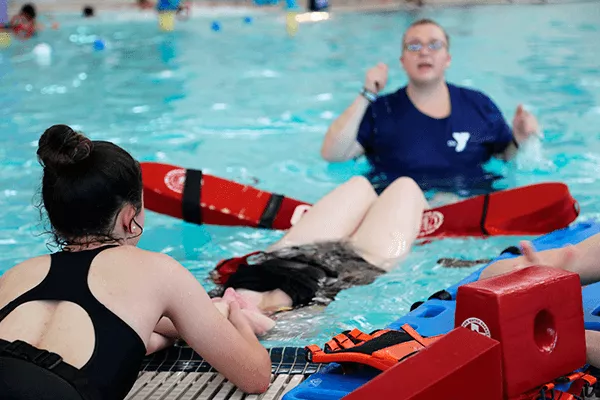
Lifeguard certification is the official credential that verifies you have completed professional training in water rescue, CPR/AED, and First Aid. It confirms that you possess the skills, physical ability, and decision-making capacity required to supervise aquatic environments and respond effectively to emergencies. Whether working at a pool, beach, waterpark, lake, or recreational facility, certified lifeguards play a critical role in preventing accidents and saving lives.
Earning a lifeguard certification is more than meeting an employment requirement it is a commitment to responsibility, preparedness, and public safety. Professionally developed certification programs follow nationally recognized safety standards and current emergency care guidelines, ensuring that lifeguards are trained to perform under real-world conditions.
Why Lifeguard Certification Is Important
Water-related emergencies can occur quickly and often without obvious warning. Drowning is typically silent, making professional supervision essential. Lifeguard certification ensures that individuals are trained to recognize early signs of distress and respond immediately.
Certified lifeguards are prepared to:
-
Identify subtle indicators of swimmer distress
-
Maintain organized and continuous surveillance
-
Enforce safety rules to prevent accidents
-
Perform effective water rescues
-
Provide CPR, AED support, and First Aid
Certification provides assurance to employers, facility operators, and the public that a lifeguard has met established performance standards and demonstrated competency in essential skills.
Core Components of Lifeguard Certification
Lifeguard certification is awarded after successful completion of a structured training program that includes both knowledge-based instruction and hands-on skill evaluation.
1. Water Rescue Skills
Water rescue competency is the foundation of lifeguard certification. Candidates must demonstrate proficiency in safe and effective rescue techniques.
Training and evaluation typically include:
-
Active victim rescues (conscious swimmers in distress)
-
Passive victim rescues (unresponsive individuals)
-
Submerged victim retrieval
-
Proper water entry and approach techniques
-
Multiple-victim response coordination
-
Spinal injury stabilization in aquatic settings
-
Use of rescue equipment such as tubes and backboards
Repeated practice ensures that certified lifeguards can respond quickly and confidently during emergencies.
2. CPR and AED Certification
A critical component of lifeguard certification is CPR (Cardiopulmonary Resuscitation) and AED (Automated External Defibrillator) training. Immediate CPR significantly increases survival rates in cases of cardiac arrest or drowning.
Candidates must demonstrate:
-
High-quality chest compressions
-
Rescue breathing techniques
-
Adult, child, and infant CPR
-
Two-rescuer CPR coordination
-
Proper AED setup and operation
-
Basic emergency oxygen support (where applicable)
Training follows current emergency cardiovascular care standards to ensure accuracy and effectiveness.
3. First Aid and Medical Response
Lifeguards often respond to injuries and medical emergencies beyond water rescues. Certification includes First Aid training to prepare candidates for a variety of situations.
First Aid competencies include:
-
Bleeding control and wound care
-
Sprain and fracture management
-
Recognition and treatment of heat-related illnesses
-
Response to allergic reactions
-
Head, neck, and spinal injury precautions
These skills enable certified lifeguards to stabilize individuals until advanced medical personnel arrive.
4. Surveillance and Prevention Training
Prevention is a central focus of lifeguard certification. Effective surveillance reduces the likelihood of serious incidents and improves response times.
Certification training teaches:
-
Systematic scanning techniques
-
Zone coverage responsibilities
-
Risk assessment and hazard identification
-
Professional rule enforcement
-
Emergency action plan activation
Strong surveillance skills are essential for maintaining a safe aquatic environment.
Physical Requirements and Skill Assessment
Lifeguard certification requires candidates to meet physical fitness standards and pass performance-based evaluations. Swimming strength and endurance are essential for effective rescues.
Common certification assessments include:
-
Timed swim tests
-
Treading water without assistance
-
Surface dives to retrieve weighted objects
-
Multi-step rescue simulations
-
CPR and AED performance evaluations
These requirements ensure that certified lifeguards are physically capable of handling the demands of real-world emergencies.
National Recognition and Professional Credibility
Lifeguard certification is typically valid for two years. A nationally recognized credential confirms that the holder meets standardized training and safety requirements.
Employers prioritize certified candidates because certification demonstrates:
-
Verified skill competency
-
Compliance with safety guidelines
-
Professional accountability
-
Preparedness for emergency response
Maintaining active certification enhances employment opportunities and strengthens professional credibility within the aquatic safety field.
Who Should Obtain Lifeguard Certification?
Lifeguard certification is essential for individuals seeking employment in aquatic safety roles. It is particularly valuable for:
-
Pool and beach lifeguards
-
Waterpark staff
-
Swim instructors and coaches
-
Camp counselors
-
Aquatic facility supervisors
-
Recreation center employees
For many young adults, earning lifeguard certification serves as an introduction to professional responsibility and leadership. For others, it provides a pathway to long-term careers in recreation management or public safety.
Even individuals who frequently spend time near water can benefit from the knowledge and confidence gained through certification training.
Recertification and Ongoing Compliance
Because safety guidelines and medical protocols evolve, lifeguard certification must be renewed every two years. Recertification ensures that lifeguards remain current with updated CPR standards and rescue techniques.
Recertification reinforces:
-
Refreshed water rescue skills
-
Updated CPR and AED guidelines
-
Emergency scenario practice
-
Continued physical readiness
Staying certified demonstrates commitment to professional growth and public safety.
Leadership and Responsibility Through Certification
Lifeguard certification develops more than technical rescue skills—it builds leadership qualities. Certified lifeguards must remain calm under pressure, communicate effectively, and make rapid decisions that can impact lives.
Training strengthens:
-
Situational awareness
-
Team coordination
-
Clear communication
-
Professional conduct
-
Emotional resilience
These leadership abilities extend beyond aquatic environments and contribute to personal and career development.
Begin Your Lifeguard Certification Journey
Obtaining lifeguard certification is a meaningful step toward protecting lives and serving your community. Through structured training, hands-on skill evaluation, and nationally recognized credentials, certification confirms that you are prepared for the responsibilities of aquatic safety.

 English
 Arabic
 French
 Spanish
 Portuguese
 Deutsch
 Turkish
 Dutch
Dutch
 Italiano
 Russian
 Portuguese (Brazil)
 Greek
Greek