

Industry Leading Degassing Solution Advanced Technology for Safer and Cleaner Operations
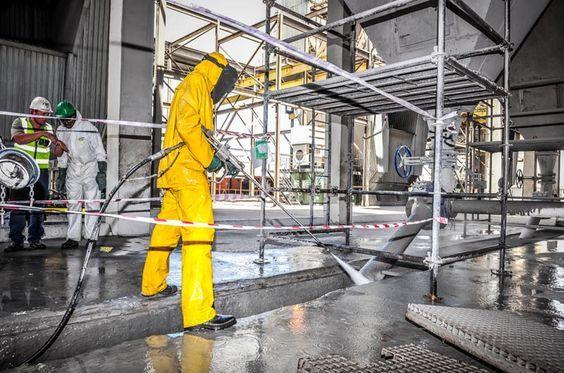
In modern industrial environments, controlling harmful gases is no longer optional—it is a necessity. From oil and gas facilities to chemical manufacturing plants and environmental remediation sites, trapped vapors and volatile compounds pose serious safety, environmental, and operational risks. An industry leading degassing solution ensures that these gases are safely removed, treated, and managed to protect workers, equipment, and the environment.
Degassing technology has evolved significantly over the past decade. Today’s systems are designed not only to remove unwanted gases but also to improve efficiency, reduce emissions, and comply with strict regulatory standards. Businesses that invest in advanced degassing systems benefit from improved safety, enhanced productivity, and long-term cost savings.
Understanding Industrial Degassing
Degassing is the process of removing dissolved or trapped gases from liquids, solids, or enclosed spaces. In industries such as oil refining, petrochemicals, wastewater treatment, and storage tank management, gas buildup can create hazardous conditions. These gases may include volatile organic compounds (VOCs), hydrogen sulfide (H₂S), methane, and other flammable or toxic substances.
An industry leading degassing solution utilizes advanced equipment and proven engineering methods to extract these gases efficiently. The goal is to neutralize risks while maintaining smooth production operations.
Without proper degassing, companies may face:
- Increased risk of explosions or fires
- Environmental contamination
- Equipment corrosion and damage
- Regulatory non-compliance penalties
- Health risks for workers
By implementing a high-performance degassing system, facilities can proactively eliminate these threats.
Key Features of an Industry Leading Degassing Solution
Not all degassing systems are created equal. A truly industry leading degassing solution integrates innovation, automation, and reliability. The most effective systems offer the following features:
1. Advanced Vapor Recovery Technology
Modern degassing solutions often include vapor recovery units (VRUs) that capture and process hazardous vapors instead of releasing them into the atmosphere. This not only protects the environment but can also allow facilities to reuse valuable gases.
2. High-Efficiency Gas Separation
Advanced filtration and separation technologies ensure precise gas removal without affecting the quality of stored liquids or materials. These systems can handle high volumes while maintaining consistent performance.
3. Real-Time Monitoring and Automation
Digital monitoring systems allow operators to track pressure levels, gas concentrations, and system performance in real time. Automated controls reduce human error and enhance safety.
4. Regulatory Compliance Support
Environmental regulations are becoming increasingly strict worldwide. An industry leading degassing solution is designed to meet or exceed local and international standards, ensuring smooth inspections and audits.
5. Custom Engineering Design
Every facility has unique requirements. Leading degassing providers conduct detailed site assessments and engineer custom systems tailored to specific operational needs.
Applications Across Industries
An industry leading degassing solution plays a vital role across multiple sectors.
Oil and Gas Industry
Storage tanks, pipelines, and processing facilities often accumulate flammable vapors. Proper degassing prevents explosions during maintenance, inspection, or tank cleaning operations.
Chemical Manufacturing
Chemical processes generate gases that must be controlled to ensure product quality and workplace safety. Advanced degassing systems maintain stable operating conditions.
Wastewater Treatment
In wastewater facilities, gases such as methane and hydrogen sulfide can accumulate in confined spaces. Degassing improves air quality and reduces corrosion of infrastructure.
Marine and Transportation
Ships, tankers, and fuel transport vehicles require degassing before maintenance or conversion. Efficient solutions ensure compliance with maritime safety standards.
Environmental Benefits
One of the most important advantages of implementing an industry leading degassing solution is environmental protection. Harmful gas emissions contribute to air pollution and climate change. By capturing and treating vapors, facilities significantly reduce their carbon footprint.
Degassing systems also prevent groundwater and soil contamination caused by uncontrolled vapor release. Companies that adopt sustainable technologies demonstrate corporate responsibility and strengthen their reputation in the marketplace.
Safety Enhancement and Risk Reduction
Industrial accidents caused by gas buildup can result in severe injuries, fatalities, and massive financial losses. A high-performance degassing solution dramatically reduces these risks.
Modern systems are equipped with:
- Explosion-proof components
- Gas detection sensors
- Emergency shutdown mechanisms
- Pressure relief systems
By integrating these safety features, facilities create a controlled and secure working environment.
Cost Efficiency and Long-Term Savings
While the initial investment in an industry leading degassing solution may seem significant, the long-term benefits far outweigh the costs. Companies save money by:
- Reducing maintenance expenses
- Preventing costly accidents
- Avoiding regulatory fines
- Extending equipment lifespan
- Recovering reusable gases
Additionally, optimized degassing processes improve operational efficiency, minimizing downtime during maintenance and inspections.
Innovative Technologies Driving the Future
The future of degassing is shaped by technological innovation. Artificial intelligence (AI), data analytics, and remote monitoring are transforming traditional systems into smart solutions.
Predictive maintenance tools can analyze performance data and identify potential issues before they become critical. This proactive approach ensures uninterrupted operations and maximum system lifespan.
Energy-efficient designs are also gaining popularity. Modern degassing units consume less power while delivering superior performance, making them environmentally and economically sustainable.
Choosing the Right Degassing Partner
Selecting the right provider is just as important as choosing the right technology. When evaluating options for an industry leading degassing solution, consider the following factors:
- Proven industry experience
- Strong safety record
- Compliance certifications
- Custom engineering capabilities
- Comprehensive support and maintenance services
A reputable provider will offer end-to-end services, including system design, installation, testing, and ongoing maintenance.
Implementation Process
Implementing an industry leading degassing solution typically involves several stages:
- Site assessment and hazard evaluation
- Engineering design and system customization
- Equipment installation and integration
- Performance testing and optimization
- Operator training and documentation
- Ongoing monitoring and maintenance
A structured implementation plan ensures minimal disruption to operations while maximizing safety and efficiency.
The Competitive Advantage
Companies that invest in advanced degassing systems gain a competitive edge in their industry. Clients and stakeholders increasingly prioritize environmental responsibility and safety compliance. By adopting a reliable and efficient degassing solution, organizations demonstrate their commitment to excellence. In highly regulated industries, compliance is not just about avoiding penalties—it is about maintaining trust and credibility. An industry leading degassing solution positions businesses as forward-thinking leaders.
Conclusion
An industry leading degassing solution is essential for modern industrial operations. It enhances safety, ensures regulatory compliance, protects the environment, and improves overall efficiency. From oil and gas facilities to wastewater treatment plants, advanced degassing technology plays a critical role in risk management and sustainable growth. As industries continue to evolve, the demand for reliable and innovative degassing systems will only increase. Companies that prioritize advanced degassing solutions today will be better prepared for the challenges of tomorrow, achieving safer operations and long-term success.

 English
 Arabic
 French
 Spanish
 Portuguese
 Turkish
 Dutch
Dutch
 Italiano
 Russian
 Romaian
 Portuguese (Brazil)
 Greek
Greek