

How Interactive Packaging Drives Customer Engagement?
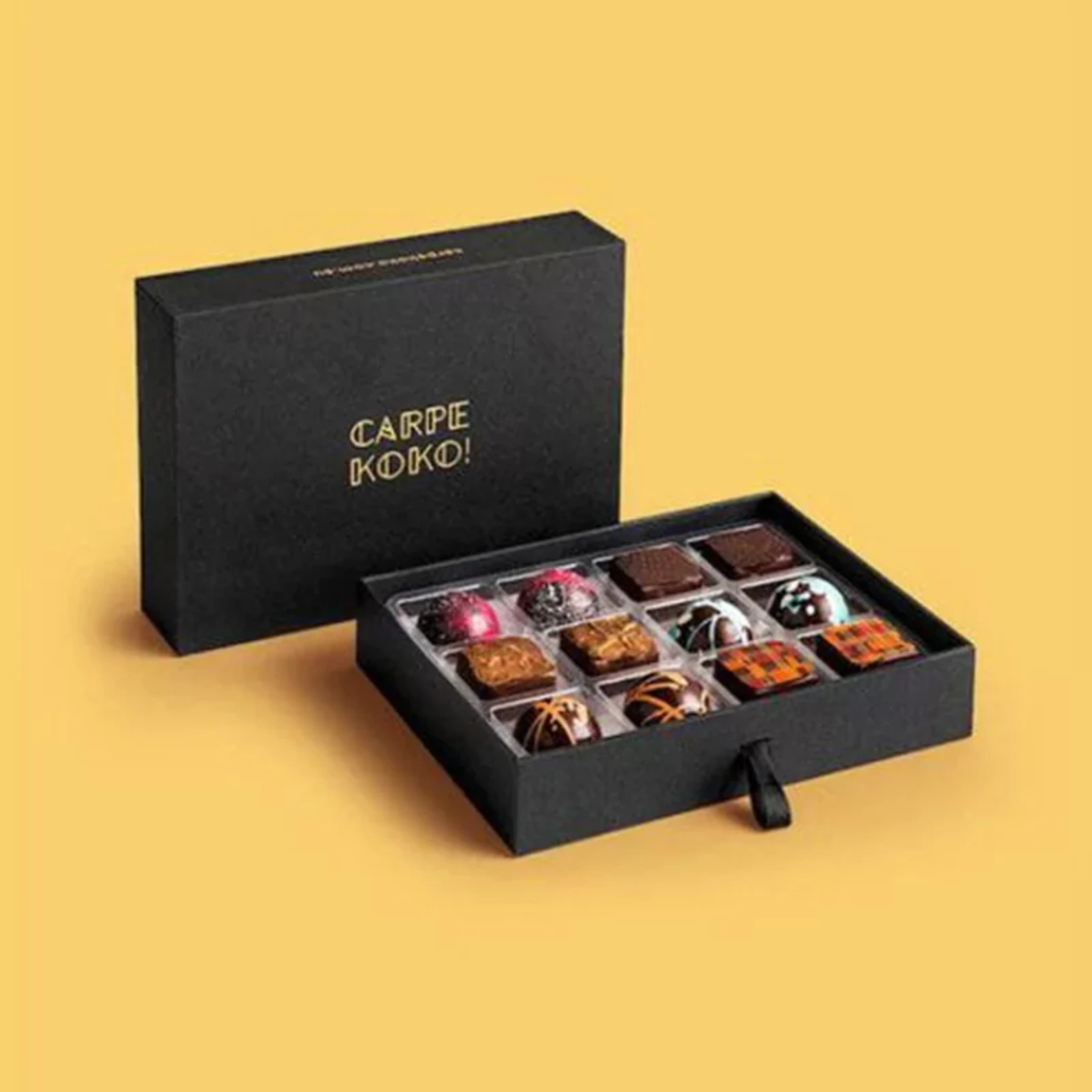
Modern consumers are demanding more than passive product reception and are evermore curious about having a say on the brands they support. With interactive packaging, consumers are able to access and engage with products at a more intimate level than simply eating or using them. Smart interactivity elements can turn normal packages into experiences that customers remember and talk about. Brands with interactive elements have a diverse offer, with deeper customer connections that build loyalty and approval. Packaging engagement facilitates brand interactions that transcend the transactional moment and turn into meaningful experiences with brands that customers are invested in. The smart company will realise that interactive features generate so much value that customers are willing to pay for it – and to do so on multiple occasions. Effective interactive packaging makes customers active participants in the experience, rather than obedient consumers of the product or marketing message.
Why Do QR Codes Create Digital Connections?
QR codes on packaging connect physical products to online experiences, extending brand engagement beyond the point of purchase. Scannable barcodes also give customers real-time access to exclusive content, recipes, how-to videos, or promotional offers. Digital touchpoints enable brands to collect customer data and insights to inform the development of new products. QR technology also allows users to receive personalized experiences according to their personal preferences and purchase history over time. Food boxes with QR codes open up pathways to loyalty schemes that in turn reward repeat purchases and engagement. Interactive digital access conveys a high level of technological competence that appeals to consumers today who are accustomed to connected experiences. Targeted QR codes turn stable packaging into a dynamic portal that helps hold the attention of customers long after a sale.
How Do Puzzle Elements Encourage Active Participation?
Packaging designed as puzzles or games invites customers to interact physically before accessing products inside carefully. Interactive challenges create memorable experiences that customers share with friends and post on social platforms. Puzzle elements also slow down the consumption process, making opening feel special rather than rushed or routine. Chocolate Gift Boxes featuring puzzle designs create anticipation that enhances overall enjoyment and perceived product value. Active participation builds emotional investment that strengthens customer connections with brands beyond passive product reception. Challenge-based packaging also appeals to customers seeking entertainment value alongside functional product protection and delivery. Thoughtful puzzle design creates shareable moments that generate organic marketing display through customer enthusiasm and social sharing.
What Makes Hidden Messages Effective for Engagement?
Concealed text or graphics inside packaging create discovery moments that surprise and delight customers during opening. Hidden elements encourage thorough exploration rather than quick disposal of packaging after product removal alone. Surprise discoveries create positive emotional responses that customers associate with brands long after initial purchases fade. Messages can include discount codes, inspiring quotes, or brand stories that deepen customer understanding and connection. Packlim demonstrates how strategic hidden elements can enhance packaging without adding significant production costs or complexity. Discovery features also encourage careful handling that protects products better than rushed opening that damages contents. Hidden messaging transforms packaging from simple protection into an experience that customers actively seek and remember positively.
How Do Augmented Reality Features Enhance Experiences?
AR technology allows customers to access virtual content by pointing smartphones at specially designed packaging graphics. Augmented experiences can include product demonstrations, brand stories, or interactive games that engage customers actively. Technology integration positions brands as innovative leaders rather than followers using traditional packaging approaches from decades past. AR features also provide measurable engagement data that helps brands understand customer interests and behavior patterns. Customers in Canada increasingly expect digital integration that connects physical products with online brand ecosystems. Virtual experiences extend engagement far beyond physical product consumption into ongoing digital relationships with brands. Strategic AR implementation creates differentiation that competitors using basic packaging cannot match without similar technology investments.
Why Does Assembly Design Create Investment?
Packaging requiring customer assembly transforms passive opening into active construction that increases psychological product investment. Assembly processes create accomplishment feelings that enhance overall satisfaction and perceived value of purchases made. Build-it-yourself elements also extend engagement time compared to simple tear-and-open packaging that takes seconds. Complex assembly demonstrates product quality and craftsmanship that customers might otherwise overlook during casual consumption today. Interactive construction also creates shareable moments when customers post assembly processes or finished results online publicly. Assembly features particularly appeal to customers who enjoy hands-on experiences and creative participation with products. Strategic assembly design builds deeper connections through active participation that passive packaging cannot create regardless of quality.
How Do Show Mechanisms Build Anticipation?
Staged opening processes that unveil products gradually create suspense and excitement during customer interactions with packaging. Sequential shows transform quick opening into deliberate experience that customers savor rather than rush through mindlessly. Anticipation building through design enhances perceived value and makes products feel more special than instant access. show mechanisms also encourage imagegraphy and social sharing as customers document opening experiences for followers online. Gradual disclosure demonstrates brand confidence in product quality worth showcasing through thoughtful presentation and careful timing. Staged experiences create memorable moments that distinguish brands from competitors offering immediate but forgettable product access. Strategic show design turns functional packaging into theatrical experience that customers actively seek and enthusiastically recommend.
What Role Do Collectible Elements Play?
Limited edition packaging with collectible features encourages repeat purchases as customers seek complete sets over time. Collectible designs create ongoing engagement beyond single transactions into long-term brand relationships and loyalty patterns. Series-based packaging also generates excitement and conversation among customers who compare collections with friends actively. Collectible elements justify premium pricing because customers value both products and packaging as items worth keeping. Limited availability creates urgency that motivates immediate purchases rather than delayed decisions that might never happen. Collecting behavior also builds communities around brands as customers connect over shared interests and acquisition goals. Strategic collectible design transforms ordinary packaging into valuable items that customers actively pursue and proudly display.
How Does Personalization Increase Connection Strength?
Customized packaging with customer names or messages creates individual recognition that strengthens emotional brand bonds. Personalization makes customers feel valued as individuals rather than anonymous transactions in corporate systems today. Custom elements also increase social sharing as recipients imagegraph personalized packages to show friends and networks. Personalized packaging justifies higher prices because customers pay for unique experiences unavailable from generic competitors nearby. Individual customization also reduces price sensitivity because products feel specially made rather than mass-produced commodities. Technology advances make personalization increasingly affordable even for smaller brands without massive production budgets available. Strategic personalization creates powerful engagement that transforms customers into loyal advocates who actively promote brands enthusiastically.
Conclusion
Interactive packaging creates powerful customer engagement through QR codes, puzzle elements, and hidden messages that invite participation. Augmented reality features and assembly design transform passive opening into active experiences customers remember and share. show mechanisms and collectible elements build anticipation while encouraging repeat purchases and ongoing brand relationships. Personalization strengthens individual connections that differentiate brands in markets crowded with generic alternatives competing mainly on price. Interactive features justify premium pricing by delivering experiences that extend beyond basic product protection and delivery. Brands implementing strategic engagement elements gain competitive advantages through deeper customer relationships that drive loyalty and advocacy. Interactive packaging represents investment in customer experience that delivers measurable returns through increased sales and brand strength.

 English
 Arabic
 French
 Spanish
 Portuguese
 Deutsch
 Turkish
 Dutch
Dutch
 Italiano
 Romaian
 Portuguese (Brazil)
 Greek
Greek