

What Jobs Can You Get After Phlebotomy Training?
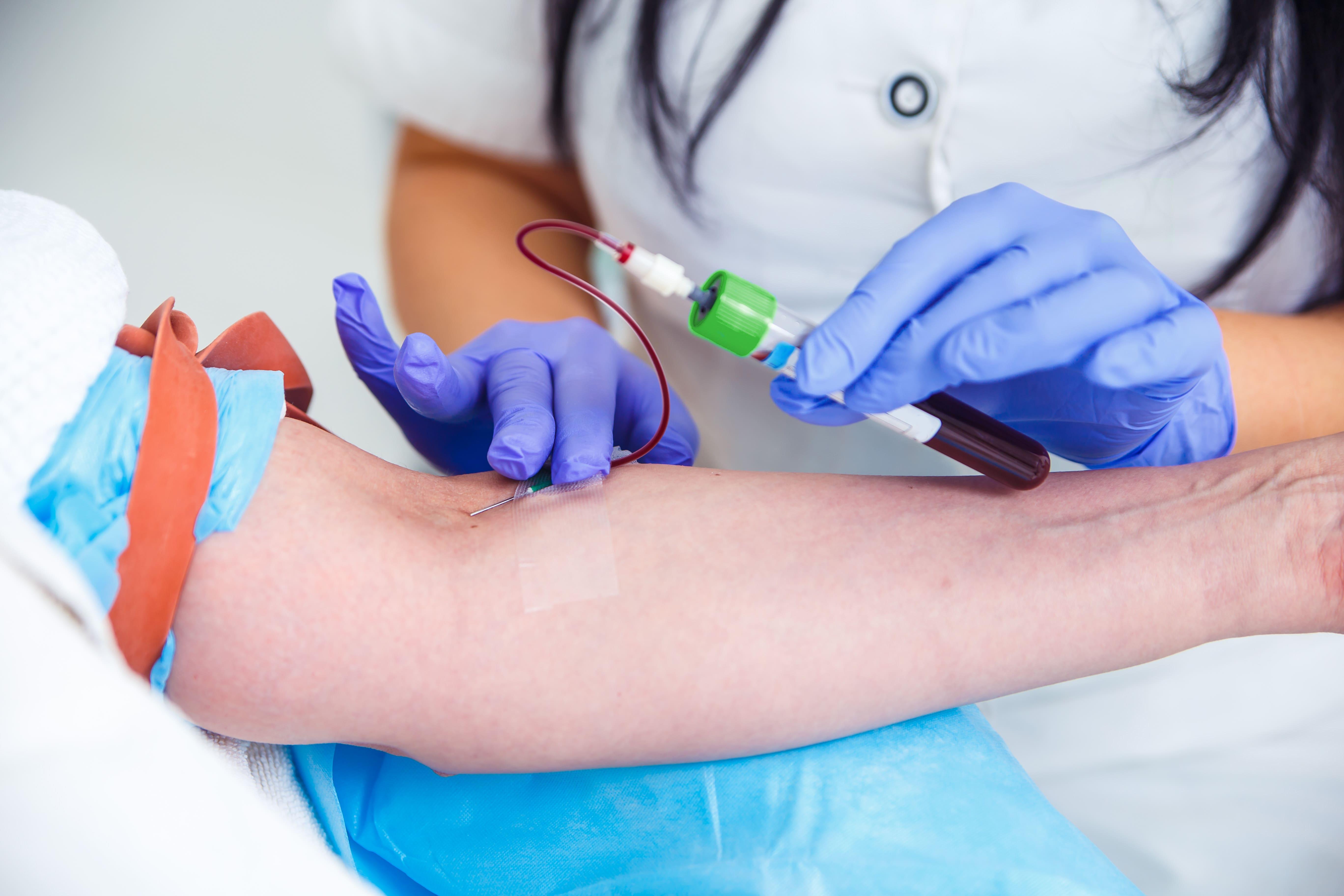
If you are considering a career in healthcare, enrolling in a hands on phlebotomy course for beginners is one of the best first steps. Phlebotomy training equips you with the essential skills to safely collect blood samples, handle specimens, and understand proper hygiene and patient care protocols. Beyond the technical know-how, completing accredited phlebotomy training opens doors to a variety of entry-level and specialised roles in healthcare, diagnostics, and laboratory settings across the UK.
Entry-Level Phlebotomist
The most obvious role after completing phlebotomy training is as a phlebotomist. In this role, you’ll be responsible for drawing blood from patients for tests, transfusions, research, or donations. Phlebotomists are employed in hospitals, GP surgeries, private clinics, and diagnostic laboratories.
Key responsibilities include:
- Preparing patients for blood collection and explaining the process
- Collecting blood samples safely and efficiently
- Labelling and transporting specimens to laboratories
- Maintaining accurate patient records
The demand for phlebotomists is high, particularly in urban areas like London, Birmingham, and Manchester, making it a stable and practical entry into the healthcare profession.
Laboratory Assistant / Medical Laboratory Technician
With phlebotomy training, you can also pursue roles as a laboratory assistant or medical laboratory technician. These positions combine specimen collection with basic laboratory tasks such as:
- Preparing and processing blood and other samples
- Assisting senior scientists and technologists with tests
- Ensuring compliance with safety and quality protocols
While additional laboratory training can enhance your prospects, phlebotomy skills are highly valued because many labs prefer candidates who can collect and handle specimens directly.
Healthcare Assistant (HCA) with Phlebotomy Skills
Many healthcare assistants (HCAs) expand their skillset by completing phlebotomy training. This combination makes you far more versatile in hospitals, clinics, and community health services. HCAs with phlebotomy certification can assist nurses and doctors by:
- Performing routine blood draws
- Monitoring patient vitals
- Supporting patients during diagnostic procedures
This dual skill set often leads to higher pay and greater responsibility, making it an attractive career option for beginners entering healthcare.
Blood Donor Centre Technician
Blood donor centres and mobile blood donation units often hire trained phlebotomists to collect donations safely. Roles may involve:
- Conducting pre-donation health checks
- Collecting blood from donors
- Ensuring donor comfort and safety
- Handling and storing blood products according to strict guidelines
These roles are particularly suitable for phlebotomy trainees who enjoy a patient-facing environment and want a career focused on public health and community service.
Clinical Trial / Research Assistant
For those interested in medical research, phlebotomy training provides an essential foundation for roles in clinical trials or research studies. In these positions, you may:
- Collect blood samples for analysis
- Track and document participant data
- Support laboratory scientists in clinical testing
Clinical research organisations often prefer staff who can handle specimens independently, making phlebotomy skills highly relevant.
Travel & Occupational Health Roles
Another growing area is occupational health and travel clinics, which provide medical services for employees or travellers. Phlebotomists working in this field may perform:
- Routine blood tests for workplace health checks
- Pre-travel medical screenings
- Vaccination support alongside blood collection
These roles often provide structured hours, making them suitable for people seeking work-life balance while still gaining valuable clinical experience.
Key Benefits of Completing Phlebotomy Training
Completing a practical phlebotomy course for beginners not only prepares you for multiple roles but also offers additional advantages:
- Certification and credibility – Recognised qualifications improve employability.
- Hands-on experience – Practical training ensures confidence in patient interaction and blood collection.
- Flexible career pathways – Phlebotomy skills are transferable across healthcare, research, and community services.
- Competitive pay – Entry-level phlebotomists in the UK can expect an average salary of £18,000–£25,000, with progression possible to £30,000+ with experience.
Conclusion
Phlebotomy training is a practical and accessible entry point into healthcare careers. Whether you aim to work as a phlebotomist, laboratory assistant, healthcare assistant, or in research and occupational health, a practical phlebotomy course for beginners equips you with the essential skills employers value. By investing in phlebotomy training, you open doors to diverse, patient-focused, and rewarding roles across the UK healthcare sector.
1. Do I need prior healthcare experience to enrol in phlebotomy training?
No, many courses are designed for beginners. A practical phlebotomy course for beginners provides comprehensive theory and hands-on training.
2. How long does phlebotomy training usually take?
Most beginner courses range from a few days to a few weeks, depending on whether you choose full-time, part-time, or blended learning options.
3. Will I receive a recognised certificate after completing phlebotomy training?
Yes, accredited courses provide CPD certificates recognised by healthcare employers across the UK.
4. What jobs can I get after phlebotomy training?
Graduates can work as phlebotomists, healthcare assistants, laboratory assistants, clinical trial staff, or blood donation centre technicians.
5. Is practical experience included in phlebotomy training?
Absolutely. Practical, supervised sessions are a core part of phlebotomy training to ensure confidence in venepuncture and patient care.

 English
 Arabic
 French
 Spanish
 Portuguese
 Deutsch
 Turkish
 Dutch
Dutch
 Russian
 Romaian
 Portuguese (Brazil)
 Greek
Greek