

What Makes White-Label NFT Marketplace Solutions Scalable with Built-In Liquidity and Marketplace Management Tools
The NFT ecosystem continues to expand across industries such as digital art, gaming, entertainment, real estate, and enterprise asset tokenization. As competition increases, businesses launching NFT platforms must focus on scalability, liquidity availability, and effective marketplace management to ensure long-term success.
Developing these capabilities from scratch requires significant technical expertise in blockchain infrastructure, smart contract engineering, liquidity mechanisms, and performance optimization. To overcome these challenges, many organizations adopt a White Label NFT Marketplace solution.
Through professional White Label NFT Marketplace Development, businesses can deploy scalable NFT platforms equipped with built-in liquidity features and advanced marketplace management tools. A reliable White Label NFT Marketplace Development Company ensures high-performance architecture, while experienced White Label NFT Marketplace Service Providers deliver continuous upgrades and operational support.
This article explores what makes White Label NFT Marketplace Solutions scalable and how built-in liquidity and management tools contribute to sustainable platform growth.
Why Scalability Matters in NFT Marketplaces
Scalability determines whether a platform can handle:
-
Increasing user registrations
-
High transaction volumes
-
Large NFT collections
-
Peak trading activity
-
Cross-chain asset transfers
Without scalable architecture, platforms experience slow confirmations, higher transaction fees, system crashes, and reduced user trust.
White Label NFT Marketplace Development addresses these challenges through optimized infrastructure and modular system design.
Core Elements That Make White-Label NFT Marketplaces Scalable
1. High-Performance Backend Architecture
Scalability begins with strong backend infrastructure.
White Label NFT Marketplace platforms typically include:
-
Cloud-based hosting solutions
-
Load balancing systems
-
High-speed APIs
-
Blockchain node optimization
-
Real-time database synchronization
These components ensure smooth operations even during high trading activity.
A White Label NFT Marketplace Development Company configures infrastructure to scale horizontally as user demand grows.
2. Cross-Chain and Multi-Blockchain Compatibility
Modern NFT ecosystems operate across multiple blockchain networks.
White Label NFT Marketplace Solutions often support:
-
Multi-chain NFT minting
-
Cross-chain asset visibility
-
Unified wallet dashboards
-
Flexible network switching
This architecture allows platforms to expand without rebuilding core systems.
3. Layer-2 Integration for Faster Transactions
Transaction speed is critical for user retention.
White Label NFT Marketplace Development integrates Layer-2 scaling solutions that:
-
Reduce network congestion
-
Lower gas fees
-
Accelerate transaction confirmation
-
Improve trading efficiency
This ensures high performance during peak usage.
Built-In Liquidity: The Engine of Marketplace Activity
Liquidity determines how easily NFTs can be bought and sold. Without liquidity, marketplaces struggle to attract creators and traders.
White Label NFT Marketplace platforms integrate liquidity mechanisms to ensure active trading environments.
1. Initial Liquidity Pool Configuration
Built-in liquidity features may include:
-
Automated liquidity pools
-
Smart contract-driven asset listings
-
Marketplace-wide asset exposure
-
Early-stage trading incentives
These features stimulate early trading activity after platform launch.
2. Integrated Marketplace Discovery Tools
Liquidity improves when assets are easily discoverable.
White Label NFT Marketplace Solutions include:
-
Advanced search filters
-
Category-based browsing
-
Trending NFT sections
-
Recommendation algorithms
-
Featured creator displays
Improved discoverability leads to higher transaction volume.
3. Auction and Bidding Systems
Auction functionality increases liquidity by encouraging competitive bidding.
White Label NFT Marketplace Development includes:
-
Timed auctions
-
Reserve pricing options
-
Automatic bid increments
-
Smart contract-based bid locking
-
Real-time bidding updates
These systems increase trading engagement and price discovery.
4. Royalty Automation Encouraging Resale Activity
Automated royalty distribution incentivizes creators to promote resale activity.
When royalties are embedded in smart contracts:
-
Creators receive recurring income
-
Resale transactions increase
-
Platform revenue grows
This continuous resale cycle improves liquidity sustainability.
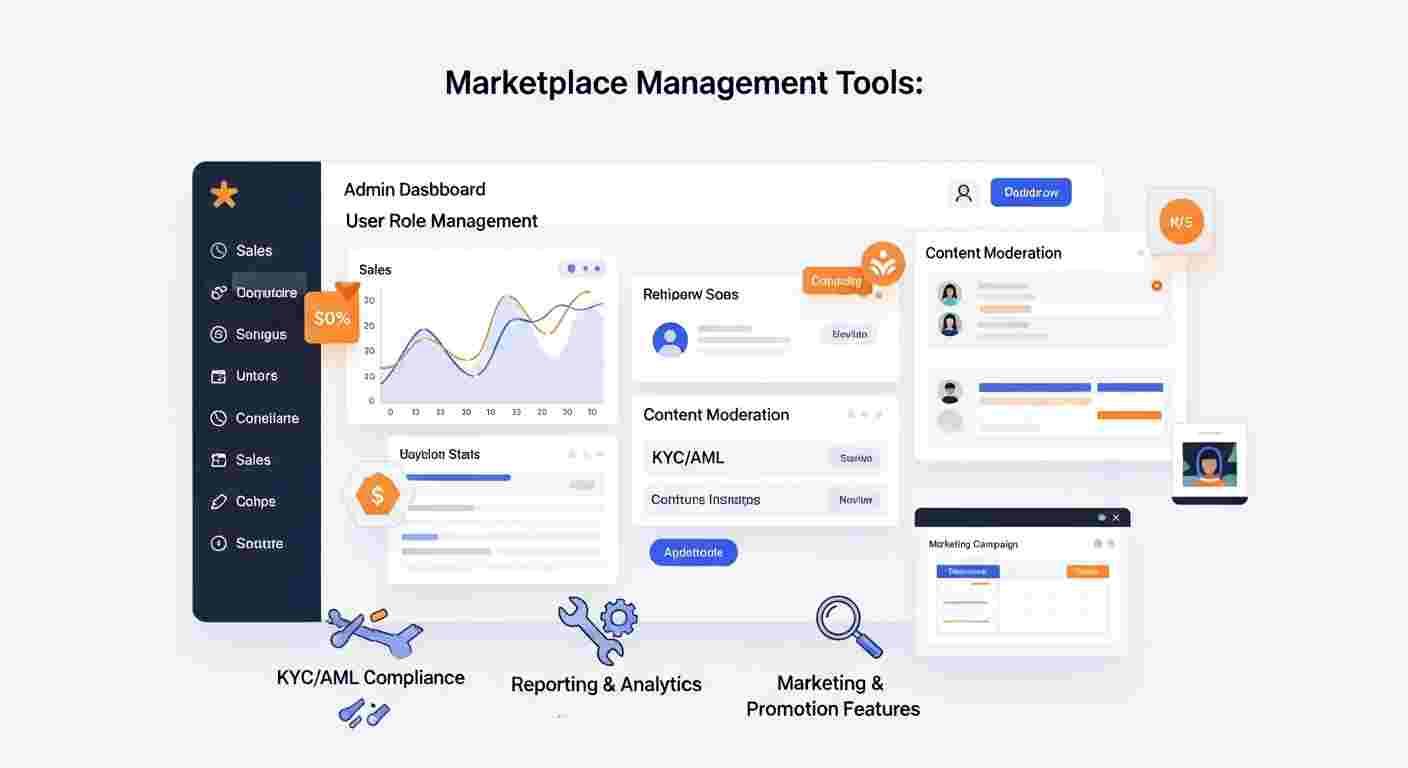
Marketplace Management Tools That Drive Operational Scalability
Efficient marketplace management is essential for maintaining performance, compliance, and profitability.
White Label NFT Marketplace platforms include advanced administrative tools.
1. Centralized Admin Dashboard
Admin dashboards allow platform operators to:
-
Monitor transaction volumes
-
Manage user accounts
-
Approve NFT listings
-
Track revenue streams
-
Adjust platform fees
-
Configure royalty percentages
-
Generate financial reports
These tools simplify operational control.
2. Automated Moderation and Content Control
As NFT listings increase, content moderation becomes critical.
White Label NFT Marketplace Development integrates:
-
Automated listing verification
-
Flagging systems for suspicious assets
-
Content filtering tools
-
Manual approval workflows
This ensures marketplace quality and compliance.
3. Performance Analytics and Reporting
Scalable platforms rely on data-driven decisions.
White Label NFT Marketplace Solutions provide:
-
Real-time trading analytics
-
User activity reports
-
Revenue tracking dashboards
-
Liquidity performance metrics
-
Marketplace growth analysis
These insights support strategic expansion.
4. Fee and Commission Customization
Flexible revenue configuration enhances scalability.
White Label NFT Marketplace Service Providers enable businesses to:
-
Adjust transaction fees
-
Configure listing charges
-
Implement premium features
-
Offer subscription-based models
Revenue flexibility supports long-term sustainability.
Security as a Scalability Foundation
Scalability is meaningless without security.
White Label NFT Marketplace Development includes:
-
Smart contract audits
-
Encrypted wallet authentication
-
Secure payment gateways
-
Escrow-based transaction handling
-
Multi-factor authentication
-
Fraud detection systems
Security ensures user trust, which directly impacts platform growth and liquidity.
Benefits of Built-In Liquidity and Management Tools
When liquidity features and management systems are integrated, businesses gain:
-
Faster marketplace adoption
-
Increased transaction activity
-
Higher revenue potential
-
Improved user retention
-
Efficient operational control
-
Reduced technical complexity
-
Lower long-term maintenance costs
A professional White Label NFT Marketplace Development Company ensures that all components work seamlessly together.
How White-Label Solutions Accelerate Market Entry
Building a scalable NFT marketplace independently can take months or even years.
White Label NFT Marketplace Solutions reduce launch time by providing:
-
Pre-built smart contract frameworks
-
Ready-to-deploy backend systems
-
Built-in liquidity modules
-
Customizable user interfaces
-
Operational management dashboards
-
Ongoing technical support
White Label NFT Marketplace Service Providers manage backend updates and scalability enhancements, allowing businesses to focus on partnerships and growth strategies.
Industries Benefiting from Scalable NFT Platforms
Scalable NFT marketplaces with built-in liquidity tools are widely adopted in:
-
Digital art platforms
-
Gaming NFT marketplaces
-
Sports collectible exchanges
-
Music NFT platforms
-
Virtual real estate trading
-
Enterprise digital asset marketplaces
Each sector requires liquidity stability and management efficiency to sustain long-term operations.
Future-Proofing NFT Marketplaces
White Label NFT Marketplace Development supports future enhancements such as:
-
Cross-chain NFT transfers
-
AI-based pricing models
-
Fractional NFT ownership
-
Token staking mechanisms
-
DAO governance integration
-
Advanced analytics modules
Scalable architecture ensures adaptability as blockchain technology evolves.
Conclusion
Scalability is a critical success factor for NFT platforms. Businesses must ensure their marketplaces can handle growing user bases, increasing transaction volumes, and expanding NFT collections without compromising performance or security.
A White Label NFT Marketplace offers built-in scalability through optimized backend infrastructure, cross-chain compatibility, Layer-2 integration, and secure smart contract frameworks. Combined with automated liquidity mechanisms and comprehensive marketplace management tools, these platforms create a stable and growth-ready ecosystem.
Through professional White Label NFT Marketplace Development, businesses can deploy scalable NFT trading platforms quickly and efficiently. A trusted White Label NFT Marketplace Development Company ensures reliable performance and secure architecture, while experienced White Label NFT Marketplace Service Providers deliver continuous optimization and operational support.
By integrating built-in liquidity systems with advanced marketplace management tools, White Label NFT Marketplace Solutions empower businesses to build high-performance, sustainable, and future-ready NFT ecosystems.

 English
 Arabic
 French
 Spanish
 Deutsch
 Turkish
 Dutch
Dutch
 Italiano
 Russian
 Romaian
 Portuguese (Brazil)
 Greek
Greek