

How( برنامج نقاط البيع بالتجزئة الرياض)Improves Inventory 2026?
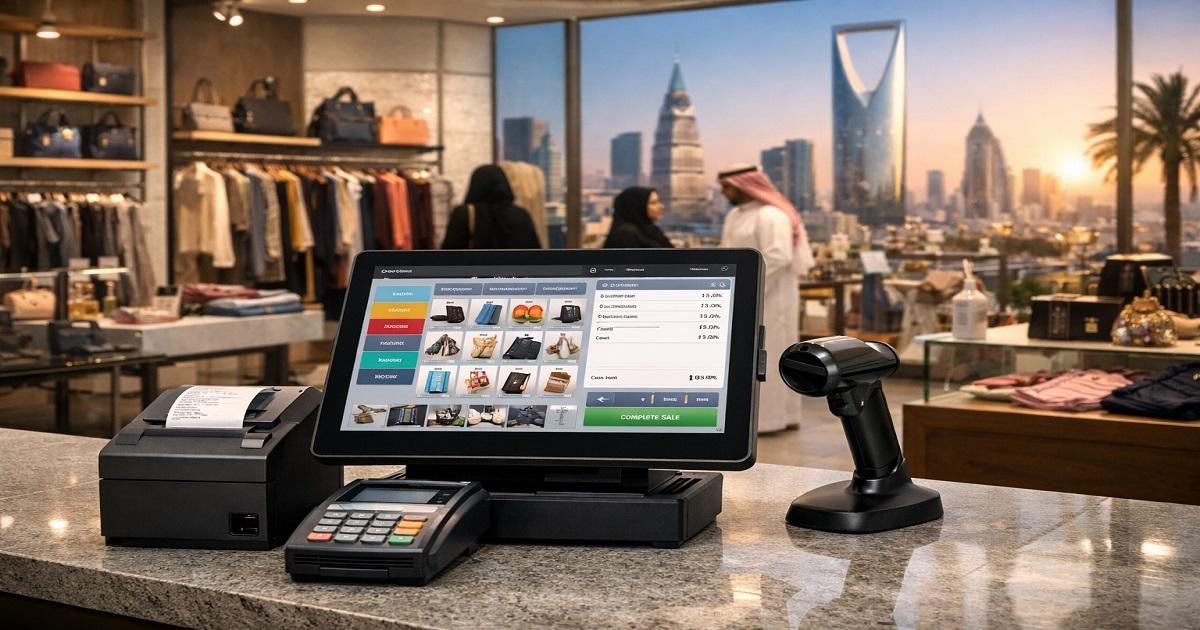
In 2026, retail businesses in Saudi Arabia are redefining efficiency through برنامج نقاط البيع بالتجزئة الرياض, a powerful solution that connects sales, stock control, and financial reporting into one intelligent system. Inventory management is no longer limited to counting products on shelves. It now requires real-time tracking, automated stock updates, and predictive analytics that reduce waste and maximize profitability. Retailers in Riyadh are increasingly adopting advanced POS software to gain complete visibility over their inventory lifecycle.
For store owners seeking accuracy and operational control, برنامج نقاط البيع بالتجزئة الرياض offers a streamlined approach to stock management. From barcode scanning to automated purchase orders, this retail POS system ensures that every transaction immediately updates inventory records. By eliminating manual tracking and disconnected spreadsheets, businesses achieve greater precision and minimize costly stock discrepancies.
The Role of POS Systems in Inventory Optimization
Modern retail environments demand speed and transparency. A point of sale system does more than process transactions; it serves as the central hub of retail operations. Every sale, return, or exchange automatically adjusts inventory levels in real time.
In Riyadh’s competitive retail market, having updated stock data helps businesses avoid overselling or stockouts. When inventory data is synchronized across branches, managers gain accurate insights into product movement and demand trends. This improves decision-making and enhances overall customer satisfaction.
Inventory optimization through POS software ensures that popular items remain available while slow-moving products are identified early. Retail analytics provide valuable data that supports smarter purchasing strategies.
Real-Time Stock Tracking and Accuracy
One of the most significant advantages of implementing advanced retail POS software is real-time inventory tracking. The system automatically records stock reductions after each sale, preventing discrepancies between physical inventory and digital records.
This immediate synchronization reduces human error and enhances operational transparency. Store managers can monitor stock levels remotely and generate instant inventory reports. Real-time tracking also helps detect shrinkage, theft, or miscounts before they escalate into major losses.
bnody.com Accurate inventory data strengthens financial reporting, ensuring that revenue and stock values align with accounting records.
Automated Reordering and Demand Forecasting
Inventory challenges often arise from delayed reordering or inaccurate demand predictions. In 2026, smart POS systems incorporate automated reordering features that notify managers when stock reaches minimum thresholds.
Retailers in Riyadh benefit from data-driven forecasting tools that analyze sales patterns and seasonal trends. These insights allow businesses to anticipate demand fluctuations and adjust purchase orders accordingly.
By leveraging predictive analytics, companies reduce excess inventory costs and prevent shortages during peak seasons. This balance between supply and demand improves cash flow management and boosts profitability.
Multi-Branch Inventory Synchronization
Retail chains operating in multiple locations require centralized inventory control. Advanced POS software connects all branches under a single system, enabling synchronized stock monitoring.
When a product sells in one branch, the system updates inventory data across the network. Managers can transfer stock between locations to balance demand efficiently. This centralized visibility eliminates confusion and supports smoother operations.
Multi-branch integration ensures that decision-makers have a comprehensive overview of stock movement across all outlets. It strengthens strategic planning and improves distribution efficiency.
Barcode Scanning and Smart Categorization
Barcode technology has become essential for accurate inventory management. Retail POS systems utilize barcode scanning to simplify product identification and stock updates.
Each product is categorized within the system, making it easier to track items by brand, category, or supplier. This structured approach reduces errors during checkout and enhances reporting accuracy.
Smart categorization also supports promotional campaigns. Retailers can analyze which product categories perform best and adjust marketing strategies accordingly.
Inventory Reporting and Analytics
Data analytics is transforming retail inventory management in 2026. POS systems generate detailed reports on sales performance, stock turnover rates, and profit margins.
With comprehensive dashboards, business owners gain deeper insights into their operations. They can identify top-selling products, evaluate supplier performance, and measure seasonal demand variations.
Inventory analytics empower retailers to make informed decisions that optimize stock levels and reduce operational waste. Accurate reporting also simplifies financial reconciliation and audit preparation.
Integration with Accounting and ERP Systems
Seamless integration between POS and accounting systems enhances financial transparency. When sales transactions update inventory records, corresponding financial entries are generated automatically.
This integration eliminates duplicate data entry and ensures accurate cost of goods sold calculations. Businesses maintain consistent financial records while improving operational efficiency.
Linking POS software with enterprise resource planning systems further strengthens supply chain coordination. Inventory data flows across departments, supporting cohesive business management.
Reducing Inventory Shrinkage and Loss
Inventory shrinkage can significantly impact retail profitability. Smart POS systems incorporate security features such as user access controls and transaction tracking.
Managers can monitor suspicious activities and review transaction histories to identify discrepancies. Automated stock audits highlight inconsistencies between recorded and physical inventory.
By enhancing accountability and transparency, retail businesses minimize losses and maintain accurate stock records.
Enhancing Customer Satisfaction Through Availability
Inventory management directly influences customer experience. Stockouts frustrate customers and may lead to lost sales opportunities. By maintaining optimal stock levels, retailers ensure consistent product availability.
Real-time updates allow staff to check product availability instantly. If an item is unavailable in one branch, employees can locate it in another location through the centralized system.
Improved availability strengthens customer trust and encourages repeat business. In a competitive retail landscape, efficient inventory control becomes a strategic advantage.
Cloud Technology and Data Security
Cloud-based POS systems provide secure and scalable inventory management solutions. Retailers in Riyadh benefit from remote access to inventory data and automatic system updates.
Cloud infrastructure ensures that data remains protected through encryption and secure authentication protocols. This enhances operational continuity and safeguards sensitive business information.
Scalable systems adapt to business growth, supporting additional products, branches, and users without compromising performance.
Strategic Growth with Smart Inventory Management
Inventory is one of the most valuable assets for retail businesses. Managing it effectively determines profitability and sustainability. Advanced POS solutions enable retailers to align inventory strategies with broader business goals.
In 2026, successful retail operations depend on data-driven insights and automated workflows. Businesses leveraging intelligent POS systems gain stronger control over supply chains, reduce operational costs, and improve overall efficiency.
برنامج نقاط البيع بالتجزئة الرياض empowers retailers to transform inventory management into a strategic growth driver rather than a routine administrative task.
Smart POS technology enhances operational transparency, reduces losses, and ensures product availability. As digital transformation accelerates in 2026, retailers that invest in advanced inventory solutions position themselves for long-term growth and competitive advantage.
FAQs
What is retail POS inventory management?
It is a system that tracks stock levels in real time through sales transactions and automated updates.
How does POS improve inventory accuracy?
It automatically adjusts stock data after each transaction, reducing manual errors.
Can POS systems manage multiple branches?
Yes, advanced systems synchronize inventory across all locations.
Does POS software help with demand forecasting?
Yes, it uses sales data analytics to predict future stock requirements.
Is cloud-based POS secure for inventory data?
Modern systems use encryption and secure access controls to protect business information.

 English
 Arabic
 French
 Spanish
 Deutsch
 Turkish
 Dutch
Dutch
 Italiano
 Russian
 Romaian
 Portuguese (Brazil)
 Greek
Greek