

Step-by-Step Guide to Building a Scalable Rental Marketplace Platform
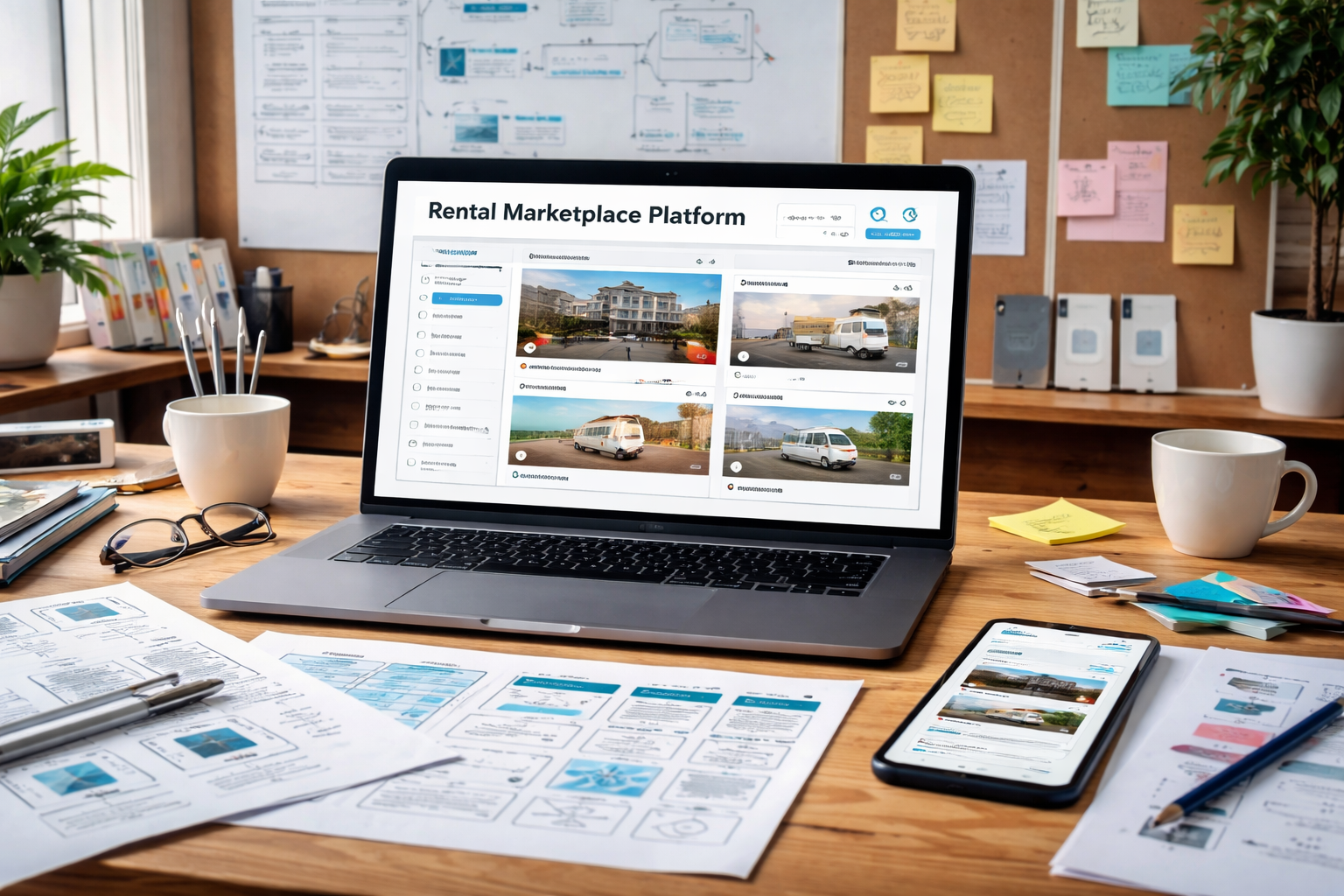
The global sharing economy has transformed how people access goods and services. From vacation homes and vehicles to tools, fashion, and equipment, renting has become more convenient and profitable than ownership in many cases. Businesses across industries are now looking to Create a Rental Marketplace Platform that connects owners with renters through a seamless digital experience.
A scalable rental marketplace platform allows entrepreneurs to build multi-vendor ecosystems, generate recurring revenue, and expand across regions without rebuilding their technology from scratch. However, achieving long-term success requires thoughtful planning, strong architecture, and a clear understanding of Rental Marketplace Platform development processes. This step-by-step guide walks you through everything from validation to scaling.
Step 1: Identify Your Niche and Define Your Marketplace Model
Before writing a single line of code, define the core focus of your platform. Rental marketplaces succeed when they solve a specific problem for a defined audience.
Choose a Specific Rental Category
Options include:
-
Property rentals (short-term or long-term)
-
Car and bike rentals
-
Equipment and machinery rentals
-
Fashion and luxury rentals
-
Event supplies and party rentals
-
Peer-to-peer tool sharing
Avoid building a generic platform at the beginning. A niche focus improves marketing efficiency, product clarity, and feature prioritization.
Decide on the Marketplace Model
Your rental marketplace can follow:
-
Peer-to-peer (P2P) model
-
Business-to-consumer (B2C) model
-
Hybrid model
Each model affects commission structure, onboarding flows, legal compliance, and operational complexity.
Validate Demand and Supply
Conduct surveys, competitor research, and keyword analysis. Interview potential vendors and renters to understand pain points. Strong validation reduces development risk and improves product-market fit.
Step 2: Define Core Features for MVP Development
Building a scalable system starts with a strong MVP (Minimum Viable Product). Focus on essential features that support transactions and trust.
User Registration and Authentication
Enable email, phone, and social login. Use multi-factor authentication for security.
Listing Management System
Allow vendors to:
-
Add product details
-
Upload images
-
Set availability calendar
-
Define pricing rules
-
Set deposit requirements
Advanced Search and Filters
Include category filters, pricing filters, location-based search, availability date selection, and condition ratings.
Booking and Reservation Engine
The booking system must:
-
Show real-time availability
-
Block unavailable dates
-
Prevent double bookings
-
Manage deposits and refunds
Secure Payment Gateway Integration
Integrate multiple payment methods:
-
Credit/debit cards
-
Wallet payments
-
Net banking
-
International payment processing (if applicable)
Review and Rating System
Trust drives rental success. Include:
-
User reviews
-
Vendor ratings
-
Transaction history
-
Identity verification
Admin Dashboard
Admins must manage:
-
Users
-
Listings
-
Transactions
-
Commission settings
-
Disputes and refunds
A structured MVP ensures your Rental Marketplace Platform development process remains focused and budget-efficient.
Step 3: Design a Scalable Architecture from Day One
Scalability should not be an afterthought. Poor architectural decisions can limit growth and increase technical debt.
Choose the Right Architecture Pattern
Options include:
-
Monolithic architecture (for early MVP)
-
Microservices architecture (for scalability)
-
Modular architecture (hybrid approach)
For long-term growth, microservices allow independent scaling of booking, payment, and notification services.
Cloud Infrastructure
Use cloud platforms like:
-
AWS
-
Google Cloud
-
Microsoft Azure
Leverage:
-
Auto-scaling servers
-
Load balancing
-
CDN for faster media delivery
-
Managed databases
Database Optimization
Choose scalable databases:
-
PostgreSQL or MySQL for structured data
-
MongoDB for flexible data storage
-
Redis for caching
Implement indexing, query optimization, and caching to improve performance.
Step 4: Build a User-Centric UI/UX Design
A rental marketplace must reduce friction at every stage.
Clear Navigation and Category Structure
Users should find listings within seconds. Keep the homepage focused and structured.
Mobile-First Approach
Most rental bookings occur on mobile devices. Ensure:
-
Responsive design
-
Fast loading speed
-
Simplified booking flow
-
Thumb-friendly navigation
Transparent Pricing Display
Show:
-
Base rental price
-
Service fees
-
Deposit amount
-
Taxes
-
Total cost before checkout
Transparency increases trust and conversion rates.
Step 5: Implement Trust and Security Mechanisms
Trust is the backbone of rental businesses.
Identity Verification
Use:
-
KYC verification
-
Government ID uploads
-
Face verification (optional)
-
Address verification
Insurance and Damage Protection
Integrate insurance partnerships or add damage protection coverage.
Secure Transactions
Use:
-
SSL encryption
-
PCI-compliant payment gateways
-
Tokenized payment processing
Dispute Resolution System
Build a structured dispute workflow:
-
Complaint submission
-
Evidence upload
-
Admin mediation
-
Refund decision logic
Trust features significantly enhance platform credibility.
Step 6: Integrate Advanced Features for Competitive Advantage
Once your MVP is stable, add advanced features to scale.
Dynamic Pricing Engine
Allow vendors to:
-
Set peak pricing
-
Offer discounts
-
Apply promotional codes
-
Automate weekend price changes
Real-Time Notifications
Include:
-
Booking confirmations
-
Reminder notifications
-
Return reminders
-
Payment confirmations
Multi-Language and Multi-Currency Support
If expanding globally, support:
-
Regional languages
-
Currency conversion
-
Local tax calculation
Analytics and Reporting Tools
Provide dashboards for:
-
Revenue tracking
-
Vendor performance
-
Customer acquisition metrics
-
Booking conversion rates
Advanced features help you successfully Create a Rental Marketplace Platform that competes in crowded markets.
Step 7: Establish Revenue and Monetization Strategies
Your rental marketplace should have diversified income streams.
Commission-Based Model
Charge vendors a percentage per transaction.
Subscription Model
Offer premium vendor accounts with benefits such as:
-
Featured listings
-
Advanced analytics
-
Lower commission rates
Featured Listings and Ads
Allow vendors to pay for visibility.
Service Fees
Charge renters a small platform fee.
Multiple revenue streams improve financial stability and scalability.
Step 8: Testing, Deployment, and Performance Optimization
Before launch, thorough testing is critical.
Types of Testing
-
Functional testing
-
Security testing
-
Load testing
-
Usability testing
-
Cross-device testing
Performance Optimization
Improve:
-
Page load speed
-
API response times
-
Database queries
-
Caching mechanisms
Use monitoring tools to track uptime and server performance.
Step 9: Launch Strategy and Growth Marketing
Launching your platform requires strategic marketing.
Pre-Launch Strategy
-
Create waitlists
-
Onboard vendors early
-
Collect early reviews
-
Run beta testing programs
Digital Marketing Channels
Use:
-
SEO for organic traffic
-
Paid advertising
-
Social media campaigns
-
Influencer collaborations
-
Referral programs
Vendor Acquisition Strategy
Attract supply first. Without listings, demand cannot grow.
Step 10: Scaling Your Rental Marketplace Platform
Scalability involves technical, operational, and market expansion.
Geographic Expansion
Add cities or countries gradually. Localize pricing, taxes, and regulations.
Operational Automation
Automate:
-
Vendor onboarding
-
Refund processing
-
Customer support (chatbots)
-
Reporting
Technology Upgrades
Migrate to microservices if starting with monolithic architecture. Introduce AI for fraud detection and recommendation engines.
Strategic Partnerships
Partner with:
-
Insurance companies
-
Logistics providers
-
Payment processors
-
Marketing affiliates
A well-planned Rental Marketplace Platform development roadmap ensures long-term sustainability and growth.
Common Challenges in Rental Marketplace Platform Development
Understanding potential roadblocks helps mitigate risks.
Supply-Demand Imbalance
Without vendors, renters leave. Without renters, vendors churn.
Regulatory Compliance
Different industries require licenses and compliance checks.
Fraud Prevention
Fake listings, payment fraud, and chargebacks require monitoring.
Technical Debt
Scaling without code optimization can cause instability.
Addressing these challenges early strengthens platform resilience.
Technology Stack Recommendations for Scalability
Selecting the right tech stack impacts performance and maintainability.
Frontend Technologies
-
React
-
Angular
-
Vue.js
Backend Technologies
-
Node.js
-
Django
-
Ruby on Rails
-
Laravel
Mobile Development
-
Flutter
-
React Native
-
Native iOS and Android
DevOps Tools
-
Docker
-
Kubernetes
-
CI/CD pipelines
-
GitHub Actions
Choosing the right tools accelerates development and simplifies scaling.
Conclusion
Building a scalable rental marketplace platform requires strategic planning, robust architecture, and user-focused design. From niche validation to advanced scalability strategies, every phase of development contributes to long-term success. Entrepreneurs aiming to Create a Rental Marketplace Platform must prioritize trust mechanisms, flexible monetization, cloud scalability, and continuous optimization. A structured Rental Marketplace Platform development approach ensures that your platform can handle increasing users, transactions, and geographic expansion without performance issues. With the right execution, a rental marketplace can evolve into a high-growth, revenue-generating ecosystem.
Frequently Asked Questions
What is the cost to Create a Rental Marketplace Platform?
The cost depends on features, design complexity, development approach, and integrations. An MVP may range from moderate to high investment, while a fully scalable enterprise solution with mobile apps, microservices architecture, and advanced analytics requires a significantly larger budget.
How long does Rental Marketplace Platform development take?
A basic MVP can take 3 to 6 months depending on scope. Advanced platforms with mobile apps, AI features, and international support may require 6 to 12 months or more.
Which business model is best for a rental marketplace?
The ideal model depends on your industry. Peer-to-peer models work well for shared assets, while B2C models are suitable for professional rental companies. Hybrid models offer flexibility and scalability.
How can I ensure my rental marketplace is scalable?
Use cloud infrastructure, modular architecture, optimized databases, load balancing, and performance monitoring tools. Plan scalability during initial system design rather than retrofitting later.
Is it better to build from scratch or use a ready-made solution?
Building from scratch offers full customization and scalability. Ready-made solutions reduce initial cost and time but may limit flexibility. The decision depends on long-term business goals and technical requirements.

 English
 Arabic
 French
 Spanish
 Portuguese
 Deutsch
 Turkish
 Dutch
Dutch
 Russian
 Romaian
 Portuguese (Brazil)
 Greek
Greek