

Access Bars Session for Mental Clarity & Calm

Muscle pain does not always disappear with rest. Long office hours, intense workouts, repetitive tasks, and stress create deep tension that builds over time. Light massage may feel relaxing, but it often does not reach the deeper muscle layers where chronic tightness develops.
This is where Deep Tissue Massage (60 minutes) becomes effective. It focuses on releasing stubborn muscle knots and restoring mobility through structured, targeted pressure.
The Problem: Surface Relaxation Is Not Enough
Many people experience ongoing stiffness in the neck, shoulders, lower back, or legs. According to health data from musculoskeletal studies, lower back pain alone affects up to 80% of adults at some point in their lives. Chronic tension reduces flexibility, impacts posture, and may interfere with sleep.
A 60-minute deep tissue session provides focused time to work through these problem areas without rushing the process.
What Is Deep Tissue Massage (60 Minutes)?
Deep Tissue Massage (60 minutes) is a structured bodywork session designed to target deeper layers of muscle and connective tissue. Unlike light relaxation massage, it uses slower strokes and sustained pressure to break down adhesions and muscle knots.
The 60-minute duration allows the therapist to:
-
Assess tight areas
-
Gradually warm up muscle tissue
-
Apply deeper pressure safely
-
Focus on specific problem zones
-
Finish with calming strokes to reset the nervous system
This balanced timeframe is ideal for individuals who need focused relief without committing to longer sessions.
How It Works

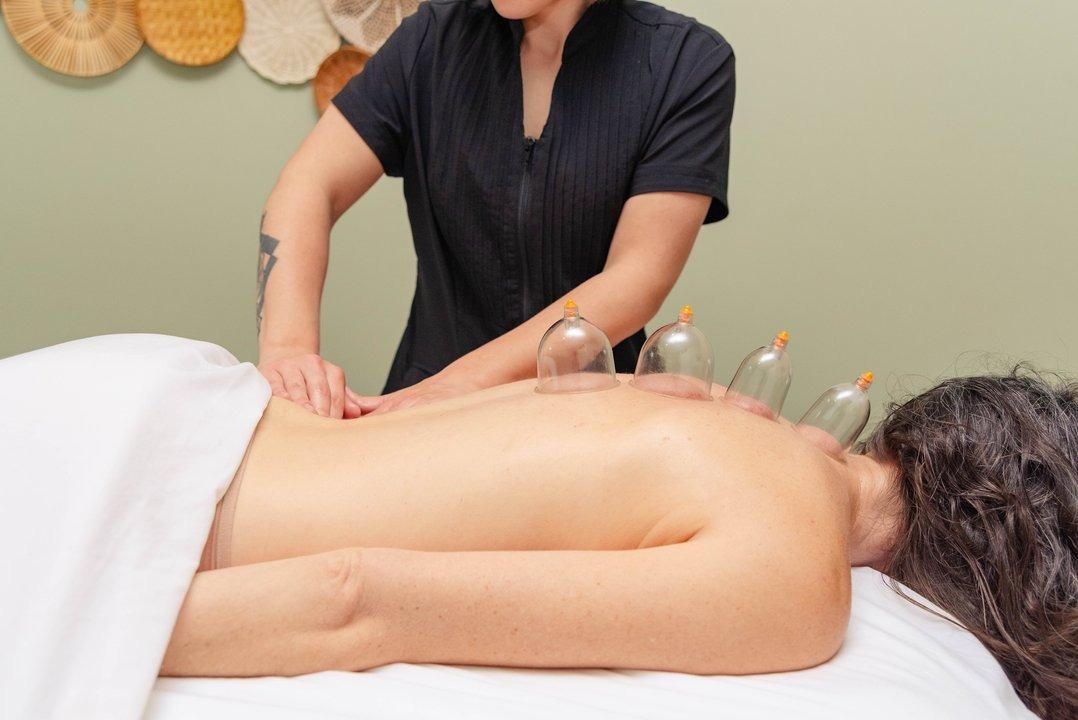
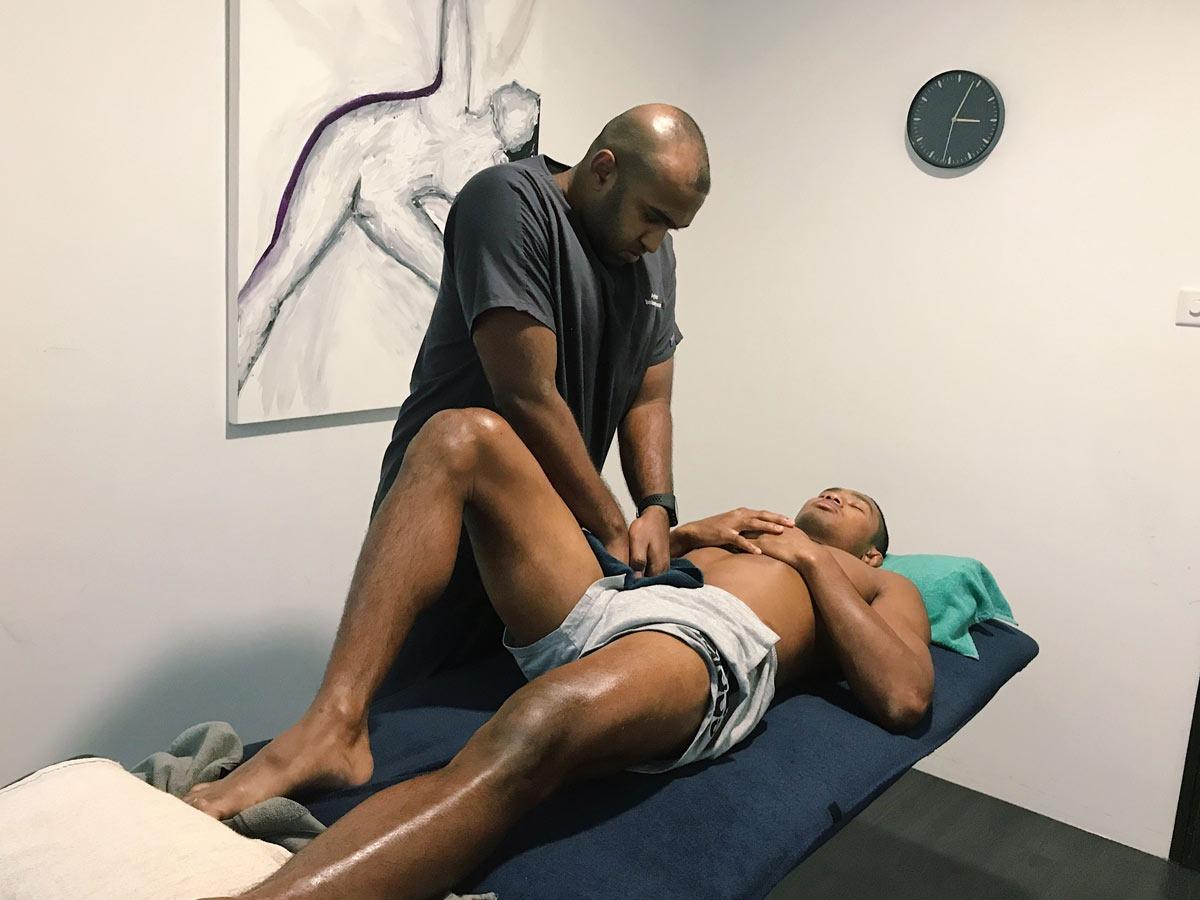

During Deep Tissue Massage (60 minutes), the therapist uses fingers, thumbs, forearms, and elbows to apply controlled pressure. The technique aims to:
-
Improve blood circulation
-
Release muscle tension
-
Break down scar tissue
-
Enhance range of motion
Increased circulation brings oxygen and nutrients to tight tissues. This process supports the body’s natural recovery response.
Who Benefits Most from Deep Tissue Massage?
This therapy is often recommended for:
-
Individuals with chronic back or neck pain
-
Athletes recovering from training
-
Office workers with posture-related stiffness
-
People experiencing tension headaches
-
Individuals with limited mobility
Athletes in particular use deep tissue techniques for recovery. Many sports professionals incorporate structured massage into their routines to reduce injury risk and improve performance.
What to Expect During a 60-Minute Session
A typical Deep Tissue Massage (60 minutes) follows this structure:
1. Consultation
The therapist asks about pain points, injuries, and medical history.
2. Warm-Up
Lighter strokes prepare muscles for deeper pressure.
3. Targeted Deep Work
The therapist applies firm pressure to specific tight areas. Communication is important to ensure the pressure remains effective but tolerable.
4. Finishing Phase
The session ends with slower strokes to calm the body and stabilize circulation.
Some discomfort may occur during deep pressure, but it should not be sharp or overwhelming. After the session, mild soreness may appear for 24–48 hours as muscles adjust.
The Science Behind Deep Tissue Massage
Research suggests that massage therapy can reduce cortisol levels (stress hormone) and increase serotonin and dopamine levels, which influence mood and relaxation. Studies also indicate that deep tissue techniques may improve mobility and reduce chronic lower back pain when combined with other therapies.
Improved blood flow and reduced muscle tension may help support long-term musculoskeletal health.
Deep Tissue Massage vs. Relaxation Massage
It is important to understand the difference:
-
Relaxation Massage focuses on calming the nervous system.
-
Deep Tissue Massage (60 minutes) targets structural tension and chronic muscle tightness.
If your primary concern is pain relief and mobility improvement, deep tissue work may be more appropriate.
Safety and Considerations
Deep tissue massage is generally safe when performed by a trained professional. However, individuals with the following conditions should consult a healthcare provider first:
-
Blood clotting disorders
-
Recent surgery
-
Severe osteoporosis
-
Acute injuries
Hydration after the session is recommended to support muscle recovery.
Why Choose a 60-Minute Duration?
A 60-minute session provides enough time to address multiple muscle groups while maintaining focus on key tension areas. It is long enough to create therapeutic change but short enough to fit into busy schedules.
For many clients, this duration strikes the right balance between effectiveness and convenience.
Final Thoughts
Chronic muscle tension does not resolve on its own. Ignoring stiffness can lead to reduced mobility, discomfort, and posture issues. Deep Tissue Massage (60 minutes) offers a structured and targeted approach to releasing deep muscle tightness, improving circulation, and supporting natural recovery.
Whether you sit at a desk all day, train intensely, or carry physical stress in your body, a focused 60-minute deep tissue session may help restore flexibility and reduce long-term tension.
Consistent care, combined with stretching and proper posture habits, can make a significant difference in overall physical well-being.

 English
 Arabic
 French
 Portuguese
 Deutsch
 Turkish
 Dutch
Dutch
 Italiano
 Russian
 Romaian
 Portuguese (Brazil)
 Greek
Greek