

Understanding the Tetrahydrofuran Price Trend in the Global Chemical Market
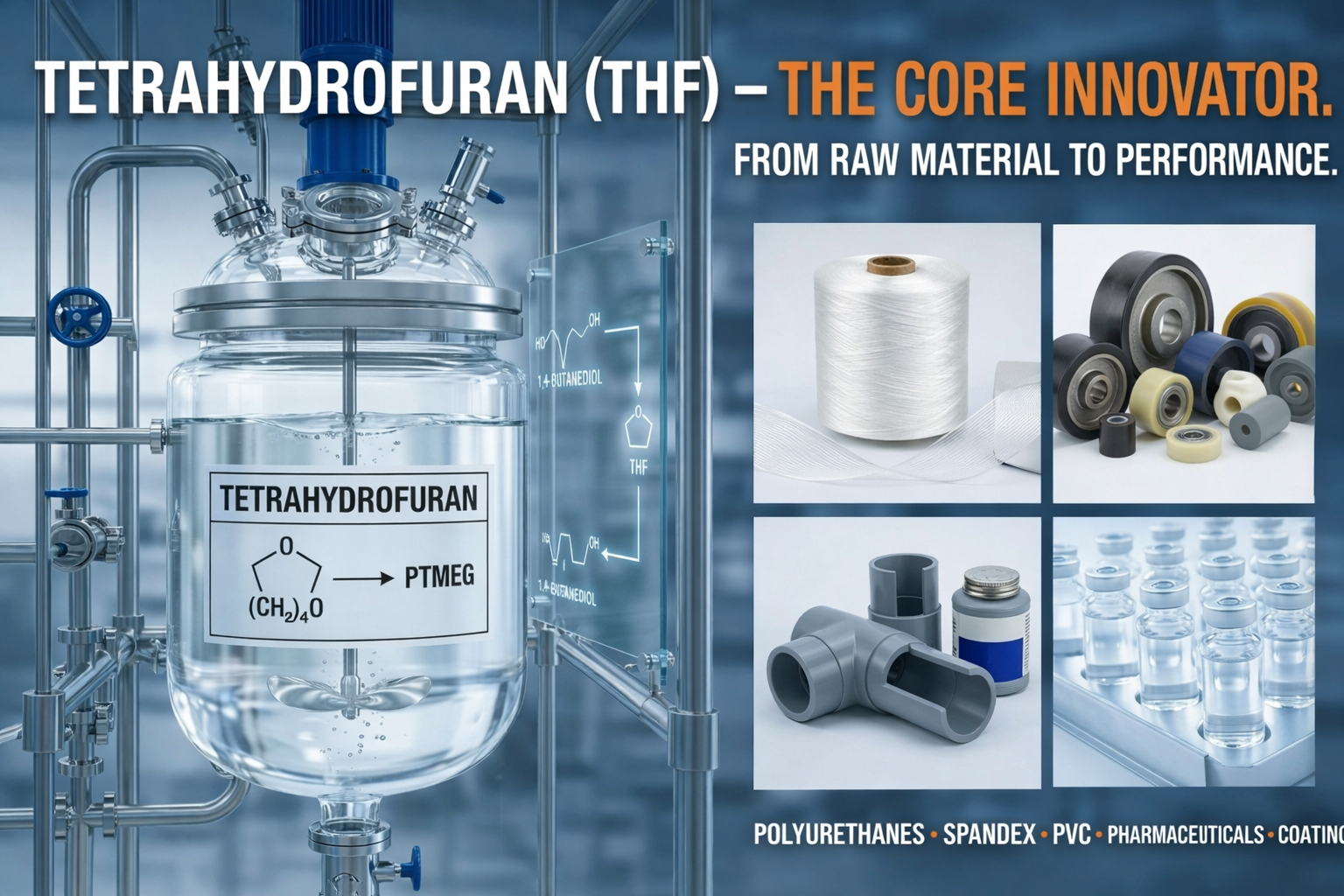
Tetrahydrofuran, commonly known as THF, is an important industrial solvent used in many chemical and manufacturing processes. It is widely used in the production of polymers, pharmaceuticals, adhesives, coatings, and elastomers. Because of its strong solvency and wide industrial applications, the Tetrahydrofuran price trend is closely watched by manufacturers, traders, and buyers across the global chemical market.
In simple terms, the price of Tetrahydrofuran does not remain fixed. It changes depending on raw material costs, demand from downstream industries, production capacity, and overall economic conditions. Understanding the Tetrahydrofuran price trend helps businesses plan purchases, manage risks, and make better financial decisions.
👉 👉 👉 Please Submit Your Query for Tetrahydrofuran Price Trend, demand-supply, suppliers, market analysis:https://www.price-watch.ai/book-a-demo/
Raw Material Costs and Production Factors
One of the key factors influencing the Tetrahydrofuran price trend is the cost of raw materials. THF is commonly produced from butanediol or through processes linked to petrochemical feedstocks. This means that crude oil and natural gas prices indirectly affect THF production costs. When energy and feedstock prices increase, the cost of manufacturing THF also rises.
Production processes for THF require stable energy supply and advanced chemical facilities. If electricity or fuel costs increase, manufacturers may face higher operating expenses. In such cases, the additional cost is often reflected in the market price of Tetrahydrofuran. On the other hand, when raw material prices remain stable, THF prices may also stay balanced.
Plant maintenance shutdowns or unexpected technical issues can also influence supply levels. If major production units reduce output temporarily, supply tightens and prices may move upward.
Demand from Key Industries
The demand side plays a major role in shaping the Tetrahydrofuran price trend. THF is widely used in the production of spandex fibers, which are used in sportswear, activewear, and stretchable fabrics. When the textile industry performs well, especially in regions with high garment production, demand for THF increases.
THF is also used in pharmaceutical manufacturing and specialty chemicals. Growth in the healthcare sector can create steady demand for solvents like THF. Similarly, adhesives and coatings industries use THF in various formulations. When construction, automotive, and packaging industries grow, demand for adhesives and coatings increases, supporting THF consumption.
During economic slowdowns, when industrial production decreases, demand for THF may weaken. In such situations, the Tetrahydrofuran price trend may show stability or slight decline due to lower consumption.
Global Supply Chain and Trade Conditions
The global supply chain also has a direct impact on the Tetrahydrofuran price trend. If transportation costs rise due to higher fuel prices or shipping disruptions, the delivered cost of THF increases. Countries that rely heavily on imports are more sensitive to freight charges and currency fluctuations.
Exchange rates play an important role in international trade. If a local currency weakens against the US dollar, imported THF becomes more expensive. This can increase domestic prices even if global prices remain stable.
Trade policies and regulations also affect market conditions. Import duties, export restrictions, and environmental regulations may change supply patterns. These factors can create short-term price fluctuations in different regions.
Environmental and Regulatory Impact
Environmental standards and safety regulations influence the Tetrahydrofuran price trend as well. Chemical manufacturing industries are subject to strict environmental controls. If governments introduce tighter emission norms or safety guidelines, producers may need to invest in upgraded equipment and cleaner technologies.
Such investments increase operational costs. Over time, these higher costs may be reflected in the selling price of THF. In some cases, stricter regulations can even reduce production capacity temporarily, creating short-term supply pressure.
Sustainability trends are also influencing the chemical market. Companies are focusing more on responsible production and supply chain transparency. While this is positive for the environment, it may increase compliance costs for manufacturers.
Regional Market Variations
The Tetrahydrofuran price trend may vary across regions such as Asia, Europe, and North America. In Asia, strong textile and manufacturing industries often drive demand. In Europe, energy prices and environmental policies may have a stronger influence. In North America, feedstock availability and domestic production capacity play key roles.
Global events such as geopolitical tensions, economic uncertainty, or sudden demand changes can create price volatility. Since THF Prices is connected to multiple industries, any major shift in one sector can affect overall pricing.
Future Outlook of Tetrahydrofuran Price Trend
Looking ahead, the Tetrahydrofuran price trend is expected to remain linked to industrial growth, crude oil prices, and textile demand. If global manufacturing continues to expand, demand for THF is likely to remain steady. Growth in activewear, pharmaceuticals, and specialty polymers may also support long-term consumption.
However, fluctuations in energy markets and supply chain disruptions can still create short-term price changes. Businesses that monitor raw material markets and maintain flexible sourcing strategies are usually better prepared for price movements.
In conclusion, the Tetrahydrofuran price trend is shaped by a combination of raw material costs, industrial demand, energy prices, supply chain conditions, and regulatory factors. By understanding these basic drivers in simple terms, buyers and sellers can make more informed decisions in the global chemical market.
👉 👉 👉 Please Submit Your Query for Tetrahydrofuran Price Trend, demand-supply, suppliers, market analysis:https://www.price-watch.ai/book-a-demo/
About Price-Watch™
Price-Watch™ is an India-based, independent price reporting agency (PRA) that provides real-time price forecasts and data-driven insights into global raw material markets. It specializes in tracking prices, analyzing market trends, and delivering timely updates on plant shutdowns, supply disruptions, capacity expansions, and demand–supply dynamics. Price-Watch™ reporting goes beyond prices to include grade-level insights, applications, and country-level demand intelligence you can trust. Powered by AI forecasting and over a decade of historical data, the Price-Watch™ platform empowers manufacturers, traders, and procurement professionals to make faster, smarter decisions and turn market volatility into actionable opportunity.
Futura Tech Park,
C Block, 8th floor 334,
Old Mahabalipuram Road,
Sholinganallur, Chennai, Tamil Nadu, Pin code - 600119.
Linkedin: https://www.linkedin.com/company/price-watch-ai/
Facebook: https://www.facebook.com/people/Price-Watch/61568490385598/
Twitter: https://x.com/pricewatchai
Website: https://www.price-watch.ai/

 English
 Arabic
 French
 Spanish
 Portuguese
 Turkish
 Dutch
Dutch
 Italiano
 Russian
 Romaian
 Portuguese (Brazil)
 Greek
Greek