

Recovery After a Tooth Crown Dubai Procedure
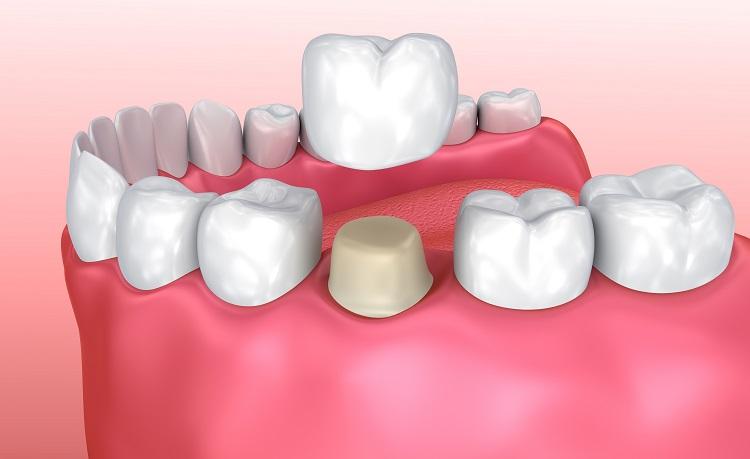
Dental restorations have come a long way in improving both the functionality and appearance of our teeth. One of the most common and reliable procedures in modern dentistry is the placement of a Tooth Crown Dubai. While the procedure itself is relatively straightforward, understanding the recovery process is essential for ensuring long-term success and minimizing discomfort. In this comprehensive guide, we will explore everything you need to know about recovering from a Tooth Crown Dubai procedure, including post-operative care, potential side effects, and tips for maintaining oral health.
What Is a Tooth Crown?
A tooth crown is a dental restoration that completely encases a damaged or weakened tooth, providing strength, stability, and a natural appearance. Crowns are commonly recommended for teeth that have:
- Large cavities that cannot be restored with a filling
- Cracks or fractures
- Undergone root canal therapy
- Cosmetic imperfections, such as discoloration or irregular shapes
The crown is custom-made to match the shape, size, and color of your natural teeth, ensuring a seamless appearance in your smile. Materials used for crowns include porcelain, ceramic, metal, or a combination of these.
Immediate Recovery After a Tooth Crown Procedure
After your Tooth Crown Dubai procedure, it is normal to experience mild discomfort or sensitivity. Recovery in the first 24–48 hours is crucial to allow your mouth to adjust to the new crown. Here’s what to expect:
1. Numbness and Sensitivity
Local anesthesia is used during the procedure, so your mouth may feel numb for a few hours. Avoid chewing on the treated side until sensation fully returns to prevent accidental biting.
2. Mild Pain or Discomfort
Some tenderness is common, especially if the tooth was prepared from an existing cavity or after a root canal. Over-the-counter painkillers like ibuprofen can help manage mild discomfort, but always follow your dentist’s instructions.
3. Gum Irritation
The surrounding gums might feel swollen or tender. Gentle rinsing with warm saltwater can soothe inflammation and promote healing.
First Week of Recovery
The first week is when your mouth adapts to the crown. During this period, it is important to follow these care guidelines:
1. Oral Hygiene
Brushing and flossing should continue, but be gentle around the crown. Avoid flossing aggressively at the margin of the crown to prevent loosening it.
2. Dietary Adjustments
Stick to soft foods initially, avoiding hard, sticky, or extremely chewy items like nuts, candies, and gum. This reduces stress on the newly placed crown.
3. Sensitivity Management
Sensitivity to hot or cold foods may persist for a few days. Using toothpaste designed for sensitive teeth can alleviate discomfort.
4. Monitoring for Complications
Watch for prolonged pain, severe swelling, or a crown that feels loose or high. Contact your dentist immediately if any of these occur.
Long-Term Recovery and Adjustment
While immediate recovery focuses on comfort, long-term recovery ensures the crown functions properly for years.
1. Bite Adjustment
Sometimes, the crown may feel slightly high when biting. Your dentist can adjust it to prevent jaw discomfort and uneven wear.
2. Regular Dental Visits
Routine check-ups are essential. Your dentist will monitor the crown’s integrity and overall oral health.
3. Avoiding Harmful Habits
Chewing ice, opening packages with teeth, or grinding your teeth can damage a crown. Consider wearing a nightguard if you have bruxism (teeth grinding).
4. Lifespan of a Crown
With proper care, a tooth crown can last 10–15 years or longer. Maintaining good oral hygiene and attending dental appointments are key factors for longevity.
Tips for a Smooth Recovery
- Follow your dentist’s post-care instructions carefully: This is the most important step for preventing complications.
- Use recommended dental products: Toothpaste and mouthwash for sensitive teeth can reduce discomfort.
- Avoid smoking or excessive alcohol: Both can slow healing and affect gum health.
- Stay hydrated and maintain a balanced diet: Proper nutrition supports oral and overall healing.
- Report any unusual symptoms promptly: Pain, swelling, or changes in crown stability should not be ignored.
Common Complications After a Tooth Crown
Although rare, some complications can occur after a Tooth Crown Dubai procedure:
- Sensitivity: Usually temporary, but prolonged sensitivity may indicate a deeper issue.
- Discomfort when chewing: Often caused by an improper bite or temporary swelling.
- Loose crown: Cement may fail, requiring reattachment by a dentist.
- Allergic reactions: Rarely, patients may react to certain materials in the crown.
Prompt consultation with your dentist ensures these issues are addressed early and effectively.
When to Contact Your Dentist
During your recovery, reach out to your dentist if you notice:
- Severe or worsening pain
- Persistent swelling or bleeding
- The crown feels loose or falls off
- Signs of infection, such as pus or fever
Early intervention can prevent minor issues from becoming major problems.
Conclusion
Recovering from a Tooth Crown Dubai procedure is generally smooth, provided you follow proper care instructions and maintain good oral hygiene. Immediate discomfort, sensitivity, and minor gum irritation are common, but these symptoms usually subside within a week. Long-term success depends on regular dental visits, avoiding harmful habits, and monitoring for any complications. A well-maintained crown can restore your tooth’s function and appearance for many years, contributing to both oral health and a confident smile.
FAQs
Q1: How long does it take to fully recover after a crown placement?
A: Most patients adjust within a few days, but full recovery of sensitivity and bite comfort may take 1–2 weeks.
Q2: Can I eat normally after getting a crown?
A: It’s best to stick to soft foods for the first 24–48 hours and gradually reintroduce harder foods.
Q3: How do I clean my crown properly?
A: Brush twice daily, floss gently around the crown, and use an antibacterial mouthwash if recommended.
Q4: Is tooth sensitivity normal after a crown?
A: Yes, mild sensitivity to temperature is common and typically resolves within a week.
Q5: How long does a dental crown last in Dubai?
A: With proper care, a crown can last 10–15 years or longer, depending on material and oral hygiene.
A Tooth Crown Dubai is a reliable solution for restoring damaged teeth, and with careful attention during recovery, it can provide both aesthetic and functional benefits for years to come.

 English
 Arabic
 French
 Portuguese
 Deutsch
 Turkish
 Dutch
Dutch
 Italiano
 Russian
 Romaian
 Portuguese (Brazil)
 Greek
Greek