

What Does an Epoxy Hardener Really Do in the Curing Process?
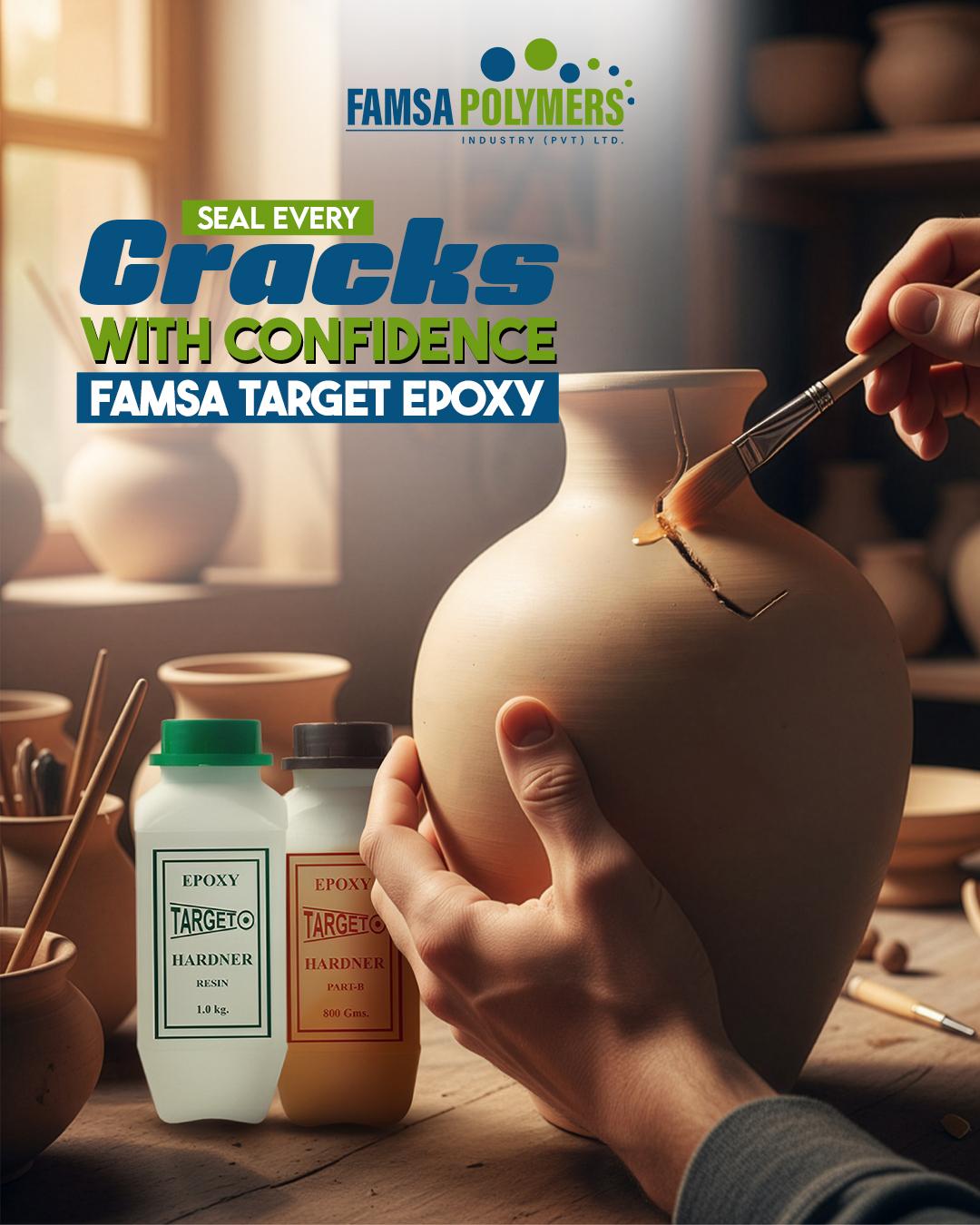
In a small factory in Karachi, technicians were applying epoxy coatings to an industrial floor. The mixture spread evenly, but after several hours, some sections still felt sticky. The supervisor explained, The mixture won’t set properly without the correct epoxy hardener.
This scenario illustrates why hardeners are not just optional; they are the critical component that triggers the curing process, transforming a liquid resin into a tough, long-lasting material. Proper use ensures surfaces are durable, chemically resistant, and strong. For anyone involved in adhesives, coatings, or composite applications, understanding hardeners is essential.
"Even a tiny component can determine the success of an entire system."
Understanding How Hardeners Work
Hardeners initiate a chemical reaction in epoxy resins called cross-linking. This reaction links resin molecules into a rigid polymer network that gives the epoxy its mechanical strength, chemical resistance, and durability.
Several factors influence curing:
- The chemical composition of the hardener
- Ambient temperature during application
- The proportion of resin to hardener
- Proper and thorough mixing
Amines are commonly used because they provide a good balance of speed and durability. Anhydrides are preferred for high-temperature or electrical applications, offering enhanced thermal and chemical stability. Choosing the correct hardener ensures the epoxy performs as intended
Types of Epoxy Hardeners
There are several types of hardeners designed for different applications:
- Aliphatic Amines: Fast-setting, strong adhesion, ideal for room-temperature conditions.
- Cycloaliphatic Amines: Flexible and chemically resistant, suitable for outdoor surfaces.
- Polyamide Hardeners: Durable and moisture-resistant, often used in industrial coatings.
- Anhydride Hardeners: Require higher temperatures, ideal for electronics or heat-resistant coatings.
- Phenalkamine Hardeners: Excellent chemical and marine resistance, suitable for flooring.
- Modified Amines: Custom formulations for fast or low-temperature curing.
Proper selection ensures optimal curing and long-term performance.
Advantages of Using Hardeners
Using the appropriate hardener offers many benefits:
- Stronger Materials: Resistance to wear, impact, and scratching.
- Chemical Protection: Surfaces withstand acids, solvents, and alkalis.
- Thermal Resistance: Certain hardeners allow high-temperature applications.
- Better Adhesion: Bonds effectively to metal, concrete, and composites.
- Long-Term Durability: Resistant to moisture, UV light, and mechanical stress.
- Flexible Curing Times: Adjusted according to project requirements.
These advantages make hardeners essential for coatings, adhesives, and industrial flooring systems.
Common Errors During Curing
Mistakes in handling hardeners can lead to failure:
- Incorrect Hardener Ratio: Leads to sticky or brittle epoxy.
- Insufficient Mixing: Causes weak spots or uneven curing.
- Wrong Hardener Selection: Incompatible hardeners compromise performance.
- Temperature and Humidity Issues: Can prevent proper curing.
- Expired Materials: Hardeners past their shelf life may not react correctly.
- Surface Contamination: Oil, dust, or moisture reduces adhesion.
Avoiding these errors ensures reliable, durable outcomes.
Role of the Polymer Industry in Pakistan
The polymer industry in Pakistan uses epoxy systems extensively for coatings, adhesives, and composites. Manufacturers focus on delivering products that meet domestic needs and international quality standards.
Industrial floors often use amine-based hardeners for ambient curing, while electronic components benefit from anhydride hardeners that withstand heat and maintain stability. Using the correct hardener ensures consistent performance, durability, and reliability, strengthening Pakistan’s polymer sector reputation globally.
Factors Affecting Hardener Performance
Several elements influence how effectively a hardener cures:
- Temperature: Impacts reaction rate and strength.
- Humidity: Moisture can interfere with proper curing.
- Mixing Method: Affects uniformity and reaction efficiency.
- Layer Thickness: Thick layers generate heat; thin layers may cure too fast.
- Curing Time: Insufficient curing weakens the polymer.
- Surface Condition: Contaminants reduce adhesion quality.
Controlling these factors ensures predictable and consistent results.
Safety and Environmental Considerations
Working with epoxy hardeners requires precautions:
- Ventilation: Prevents inhalation of harmful fumes.
- Protective Equipment: Gloves, goggles, and suitable clothing reduce exposure.
- Storage: Keep chemicals dry and away from sunlight.
- Waste Management: Dispose of leftover epoxy responsibly.
- Temperature Control: Avoid uncontrolled exothermic reactions.
- Eco-Friendly Formulations: Use water-based or low-VOC options when possible.
Safe handling ensures worker protection and environmental safety.
Innovations in Epoxy Hardeners
Recent advances improve both performance and sustainability:
- Waterborne Hardeners: Reduce volatile organic compounds (VOCs).
- Fast-Curing Formulations: Shorten industrial production cycles.
- Self-Leveling Systems: Smooth and durable flooring surfaces.
- Low-Temperature Curing: Suitable for cold climates without compromising strength.
- Sustainable Blends: Reduce environmental impact while maintaining performance.
"Innovation bridges the gap between current limitations and future possibilities."
Comparing Popular Hardeners
| Feature | Aliphatic Amines | Cycloaliphatic Amines | Polyamide Hardeners | Anhydride Hardeners | Phenalkamine Hardeners |
| Curing Speed | Fast | Moderate | Moderate | Slow | Moderate |
| Temperature Resistance | Low | Medium | Medium | High | Medium |
| Chemical Resistance | Medium | High | High | High | Very High |
| Typical Applications | Floors, coatings | Outdoor coatings | Industrial coatings | Electronics | Flooring, marine |
| Cost | Low | Medium | Medium | High | Medium |
| Durability | Medium | High | High | Very High | Very High |
This comparison helps select hardeners based on project requirements and desired outcomes.
Frequently Asked Questions
1. What is the main purpose of a hardener?
It triggers the chemical reaction that solidifies liquid epoxy into a durable polymer.
2. Can all epoxies use the same hardener?
No, compatibility with the specific resin is necessary for proper curing.
3. How long does curing take?
Curing varies from hours to days, depending on the hardener and environmental conditions.
4. Are epoxy hardeners safe?
Yes, with proper PPE and ventilation, they are safe for industrial use.
5. Why is selecting the right hardener important?
Correct selection ensures adhesion, chemical resistance, durability, and overall performance.
Conclusion
In summary, hardeners are essential for converting epoxy resins into strong, chemically resistant materials. They influence mechanical strength, adhesion, curing time, and long-term durability. Selecting the correct hardener and following proper handling procedures ensures reliable, high-quality outcomes in coatings, adhesives, and composites.
Understanding advancements in hardener technology and environmental considerations allows professionals to produce efficient, safe, and durable epoxy systems for diverse applications.
"The smallest chemical change can create the most significant transformation."

 English
 Arabic
 French
 Spanish
 Portuguese
 Deutsch
 Turkish
 Italiano
 Russian
 Romaian
 Portuguese (Brazil)
 Greek
Greek