

Minimum Order Quantities Explained for Private Label Soap Manufacturers
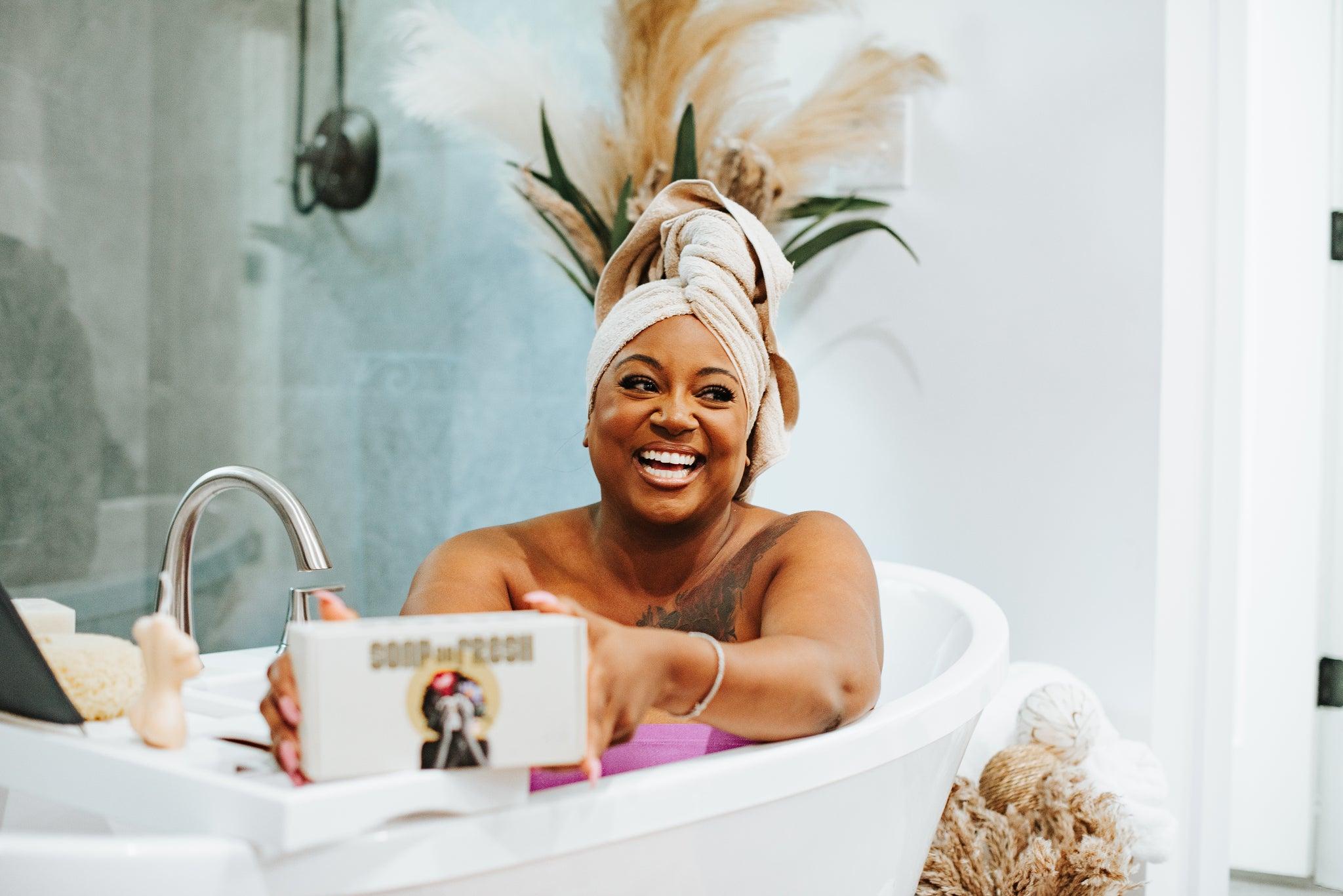
Many new soap brands fail before launch because they misunderstand minimum order quantities. That single number can shape your budget, pricing, and profit margins. When working with private label soap manufacturers, understanding MOQ helps you plan smarter and avoid costly surprises. This guide explains what minimum order quantities mean, why they exist, and how to negotiate them confidently.
Minimum Order Quantities Explained for Private Label Soap Manufacturers
Minimum order quantity, often called MOQ, is the smallest number of units a manufacturer requires per order. It protects production efficiency and keeps costs manageable. For startups, that number can feel overwhelming at first. However, knowing the logic behind it makes the process easier to handle.
Why Manufacturers Set Minimum Order Quantities
Production involves setup time, raw materials, labor, and packaging preparation. Small batches often cost more per unit because machines still need full preparation. A white-label organic soap manufacturer sets MOQs to maintain operational efficiency and stable pricing.
Without MOQs, production lines would slow down. Custom labels, ingredient mixing, and curing time require planning. That planning only works when orders reach a certain volume.
Typical MOQ Ranges in the Soap Industry
MOQs vary depending on the customization level. Standard white-label bars often require lower quantities. Fully customized formulas usually require higher minimums.
Common ranges include:
-
100 to 500 units for stock formulas
-
500 to 2,500 units for custom scents or colors
-
Higher volumes for exclusive formulations
-
Numbers change based on packaging style and ingredient sourcing.
White Label vs Private Label and MOQ Differences
White-label products use pre-existing formulas. Branding changes, yet the formula remains the same. This often means lower MOQs because production processes are already established.
Custom private label projects involve new ingredient blends and testing. That increases setup effort. A white-label organic soap manufacturer may offer flexible starting quantities for brands testing the market.
How MOQs Affect Your Startup Budget
Lower MOQs reduce upfront investment. Higher MOQs lower cost per unit but increase total spending. Balancing those factors helps protect cash flow.
For example, ordering 300 units may cost more per bar, yet it reduces risk if you are testing demand. Larger orders work better once you have steady sales data.
Factors That Influence Minimum Order Quantities
Several elements shape MOQ decisions. Understanding them improves negotiations.
Key factors include:
-
Ingredient availability and sourcing
-
Custom molds or embossing
-
Packaging type and print setup
-
Organic certification requirements
-
Production scheduling capacity
Each detail adds time and cost to the manufacturing process.
Private Label Soap Companies and Customization Levels
Private label soap companies often provide tiered options. Entry-level packages use existing molds and scents. Premium packages allow custom blends and packaging design.
Greater customization typically increases MOQs. That increase covers development time, lab testing, and compliance checks. Planning ahead reduces friction during this stage.
Organic Ingredients and Their Impact on MOQ
Organic raw materials often come from certified suppliers. Those suppliers may also enforce minimum purchase levels. That requirement influences how a white-label organic soap manufacturer sets its own MOQs.
Certified organic labels also involve documentation and audits. These steps increase operational responsibility. Higher volume ensures those compliance costs remain manageable.
Negotiating MOQs the Smart Way
Clear communication improves outcomes. Share your sales projections and growth plan. Manufacturers appreciate brands that think long-term.
Ask if phased production is possible. For example, placing 1,000 units across two scheduled batches may work in some cases. Building trust increases flexibility over time.
Common Mistakes New Brands Make
Some founders focus only on unit price. They ignore storage costs and cash flow impact. Others overestimate early demand and sit on excess inventory.
Smart planning includes realistic sales forecasting. Start small, then scale based on performance data. That approach reduces risk and builds steady growth.
MOQs and Pricing Strategy
Minimum order quantities influence your retail pricing. Larger orders reduce cost per bar. That gives you better profit margins or room for promotional pricing.
Smaller orders limit margin flexibility. This is common during product testing phases. Long-term success often depends on gradually increasing order size.
How Private Label Soap Manufacturers Support Growth
Reliable private label soap manufacturers guide brands through scaling stages. They explain volume discounts and future production planning. Strong partnerships lead to smoother expansion.
Manufacturers prefer clients who understand forecasting and brand positioning. That alignment builds trust and long-term collaboration.
Balancing Inventory and Demand
Inventory management plays a major role in profitability. Overstock ties up capital. Understock causes lost sales and customer frustration.
Analyze seasonal trends and marketing campaigns before placing large orders. Clear forecasting improves inventory balance and reduces stress.
Scaling From Small Batches to Bulk Production
Most brands start with manageable volumes. Once demand stabilizes, increasing order size lowers costs. This stage often marks the shift from testing to scaling.
Private label soap companies support this transition by offering tiered pricing. That structure rewards consistent growth and reliable ordering patterns.
Build Smarter, Order Smarter, Grow Stronger
Minimum order quantities are not obstacles; they are planning tools. Understanding how private label soap manufacturers structure MOQs helps you control budget, inventory, and long-term profit. A strategic partnership with the right white-label organic soap manufacturer allows you to start confidently and scale with stability. Plan carefully, communicate clearly, and place orders that match your real growth pace.

 English
 Arabic
 French
 Spanish
 Portuguese
 Deutsch
 Turkish
 Dutch
Dutch
 Italiano
 Russian
 Romaian
 Greek
Greek