

Professional Vector Art Conversion Services for Scalable Graphic Design
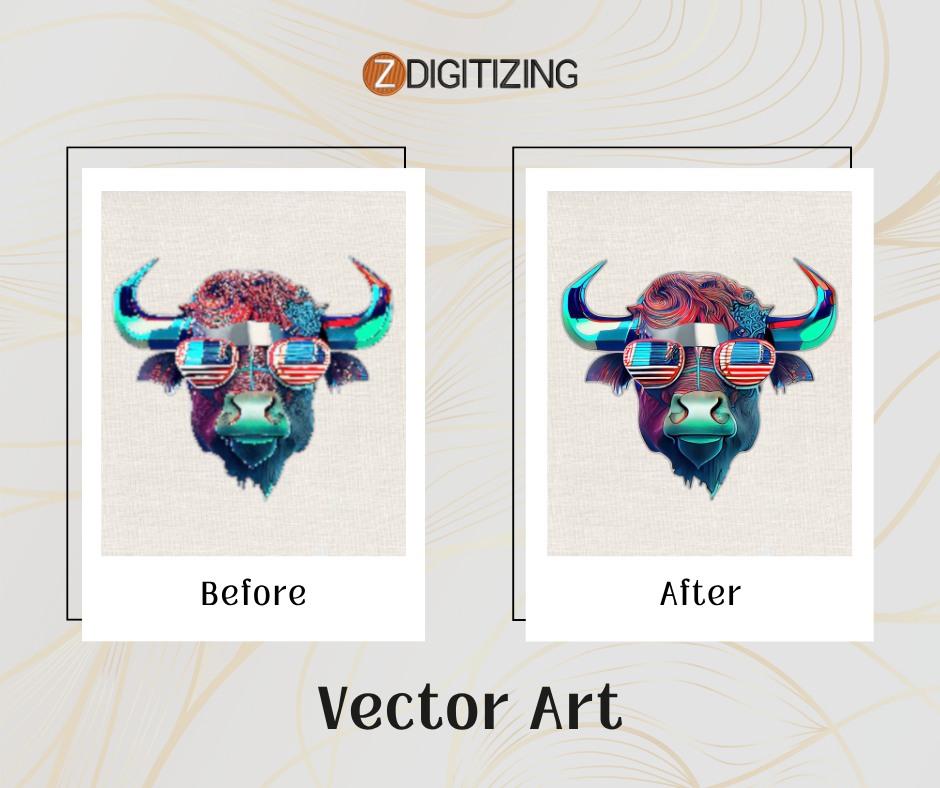
In modern design and branding, clear and scalable graphics are essential for maintaining a professional image across different platforms. Businesses, designers, and printing professionals often work with logos, illustrations, and artwork that must appear sharp on everything from small promotional items to large banners. This is where professional vector art conversion services become valuable. These services convert pixel-based images into vector graphics that maintain quality at any size.
Vector art conversion ensures that graphics remain precise, editable, and suitable for professional production processes. Whether the artwork is used for printing, embroidery, signage, or digital media, vector files provide flexibility and long term usability.
What Vector Art Conversion Means
Vector art conversion is the process of transforming raster images such as JPG, PNG, BMP, or GIF files into vector formats like AI, EPS, SVG, or PDF. Raster graphics are built from pixels, which means the image loses quality when resized or enlarged. Vector graphics, on the other hand, are created using mathematical paths and curves. Because of this structure, vector files can be resized infinitely without losing clarity.
This feature is especially important for logos and brand graphics. A company logo might appear on business cards, packaging, websites, apparel, and billboards. Without vector formatting, maintaining consistent quality across these different sizes can be difficult.
Why Professional Vector Conversion Matters
Although some software tools provide automatic tracing features, professional vector conversion services offer far better results. Skilled designers manually recreate artwork to ensure each line, shape, and color is accurate. This process requires design experience and attention to detail.
One major advantage of professional conversion is clean line quality. Automatic tracing tools often produce jagged edges, unnecessary anchor points, or distorted shapes, especially when the original image has low resolution. A professional designer redraws the artwork carefully to produce smooth curves and balanced proportions.
Another important benefit is scalability. Once an image has been converted into vector format, it can be used in both small and large formats without distortion. This flexibility makes vector files ideal for professional printing and branding.
Professional conversion also ensures compatibility with design and production software used in industries such as printing, engraving, embroidery digitizing, and vinyl cutting. Designers can easily modify colors, adjust shapes, and prepare files for different applications.
Common Uses of Vector Art Conversion
Vector conversion is widely used in many industries that require high quality artwork.
One common application is logo recreation. Many businesses only have their logos stored in low resolution formats. When these files are used for marketing materials, they often appear blurry or pixelated. Converting them into vector format restores clarity and allows the brand to use the logo in professional environments.
The printing industry also depends heavily on vector graphics. Printing materials such as brochures, banners, posters, and product packaging require precise lines and clean edges. Vector files ensure that printed graphics maintain consistent quality.
Embroidery preparation is another important use. Embroidery digitizers often work with vector files because they clearly define shapes and outlines. This helps convert artwork into stitch patterns more accurately.
Vector graphics are also essential for screen printing and vinyl cutting. Machines that cut designs for apparel, signage, decals, or promotional products follow vector paths to create accurate shapes. Raster images do not provide the same level of precision for this process.
Advantages of Choosing a Professional Vector Service
Choosing a professional vector conversion service offers several practical benefits for businesses and designers.
First, it ensures accuracy and design quality. Experienced designers understand the technical requirements of print production and digital design. Their work results in clean files that meet industry standards.
Second, it saves time. Instead of spending hours trying to fix poor quality images, businesses can rely on professionals who specialize in this process.
Another benefit is flexibility. Vector files can easily be edited, recolored, resized, or adapted for different projects without losing quality. This makes them valuable for long term brand management.
Professional vector artwork also helps maintain consistency across marketing materials. A properly converted logo or design can be reused across websites, merchandise, packaging, and advertising materials without the need for repeated redesign.
Conclusion
Professional vector art conversion services play an important role in modern graphic design, branding, and production. By converting pixel based images into scalable vector graphics, businesses gain artwork that remains sharp, flexible, and ready for professional use.
From logo reproduction to printing, embroidery, and signage, vector files ensure clarity and consistency across many applications. Choosing a reliable vector conversion service provides accurate artwork, efficient file formats, and long term usability for branding and design projects.
Investing in high quality vector graphics supports professional presentation and ensures that visual assets remain reliable for future marketing and production needs.
Frequently Asked Questions
What is the main purpose of vector art conversion?
The main purpose of vector art conversion is to transform pixel based images into scalable vector graphics that maintain quality at any size. This allows the artwork to be used for professional printing, branding, and production.
Which file formats are commonly used for vector graphics?
Common vector file formats include AI, EPS, SVG, and PDF. These formats are widely supported by professional design and printing software.
Can low resolution images be converted into vector files?
Yes. Professional designers can recreate low resolution images into vector format by manually redrawing the artwork. This process improves clarity and makes the file suitable for scaling.
Why are vector files preferred for printing and cutting machines?
Vector files contain precise paths and outlines that production machines can follow accurately. This allows for clean cuts, sharp prints, and consistent results in manufacturing processes.

 English
 Arabic
 Spanish
 Portuguese
 Deutsch
 Turkish
 Dutch
Dutch
 Italiano
 Russian
 Romaian
 Portuguese (Brazil)
 Greek
Greek