

Vinyl vs Metal Siding: A Complete Cost and Energy Efficiency Comparison for Homeowners
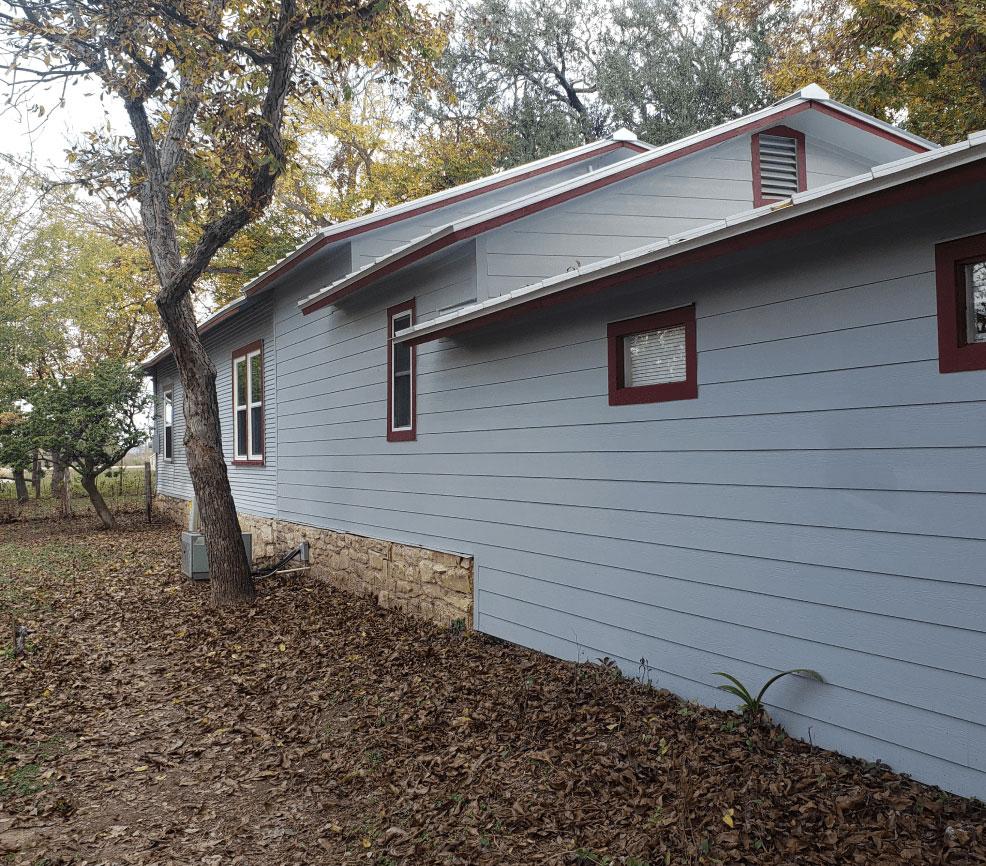
Choosing siding is one of those decisions that looks simple at first, but quickly turns into a “wait… it depends” situation. Vinyl siding is popular because it’s affordable and low-maintenance. Metal siding (usually steel or aluminum) has a reputation for strength, modern looks, and long life. But when you’re comparing cost and energy efficiency, you need to look beyond the price tag and understand how each material performs in the real world: your climate, your wall assembly, your insulation plan, and even your neighborhood.
1) The Basics: What Vinyl and Metal Siding Actually Are
Vinyl siding
Vinyl is made primarily from PVC (polyvinyl chloride). It’s manufactured in panels that overlap and “hang” on the wall, allowing for movement with temperature changes. It comes in a huge variety of colors and profiles, and it’s widely installed on residential homes.
Typical strengths
-
Lower upfront cost
-
Easy to install and replace
-
Doesn’t need painting
-
Many styles available
Typical weaknesses
-
Can crack in extreme cold
-
Can warp if exposed to high heat (like grills too close)
-
Color can fade over time (quality varies)
Metal siding
Metal siding is usually steel or aluminum, formed into panels or lap-style profiles. Steel is stronger and more dent-resistant. Aluminum is lighter and more corrosion-resistant, but can dent more easily.
Typical strengths
-
Long lifespan
-
Fire resistant
-
Great weather durability
-
Modern and clean aesthetic options
Typical weaknesses
-
Higher initial cost
-
Dents possible (especially aluminum)
-
Requires care to prevent corrosion at cut edges (steel)
2) Upfront Cost Comparison: Material + Labor + Extras
Material costs
In most markets, vinyl is usually the budget-friendly option. Metal typically costs more because the material itself is pricier and may require more specialized installation details.
But here’s the important part: siding cost is never just “material.” Your real bill includes:
-
Removal and disposal of old siding
-
Repairs to sheathing/rot issues
-
House wrap / weather barrier upgrades
-
Trim, flashing, and corner details
-
Insulation upgrades (if you choose them)
-
Labor (often the biggest chunk)
Labor and installation complexity
Vinyl is widely installed, so labor rates tend to be competitive. Metal installation can require more precision cutting, flashing detail work, and experience to avoid oil-canning (wavy appearance) or alignment issues.
Rule of thumb: If you’re hiring a contractor who installs vinyl daily, you’ll usually get a smoother installation at a lower labor cost than a contractor who “occasionally” installs metal. The reverse is also true: a metal specialist can deliver an incredible result that lasts decades.
Hidden cost drivers for both
No matter which siding you choose, the same issues can raise the total:
-
Rot repair around windows, doors, and bottom edges
-
Replacing trim that’s damaged or outdated
-
Window/door flashing corrections (this is worth doing right)
-
Complex layouts (multiple rooflines, dormers, lots of corners)
3) Energy Efficiency: What Siding Can and Can’t Do
Let’s be blunt: siding alone is not insulation.
Energy efficiency mostly comes from:
-
Wall insulation (batts, spray foam, dense-pack, etc.)
-
Continuous exterior insulation (rigid foam or mineral wool)
-
Air sealing (reducing drafts)
-
Quality house wrap / WRB + taped seams
-
Proper flashing and moisture management
That said, siding still matters because it affects:
-
Airflow and drafts if installed poorly
-
How well the wall dries when moisture gets in
-
Heat gain from sunlight (color and finish)
-
Ability to add continuous insulation underneath
Vinyl and energy performance
Standard vinyl has a relatively low R-value. The biggest energy “upgrade” in the vinyl category is insulated vinyl siding, which has foam backing.
Insulated vinyl benefits
-
Adds a small amount of R-value (often around R-2 to R-3-ish, depending on thickness)
-
Reduces thermal bridging slightly
-
Helps siding lay flatter for a cleaner look
-
Can reduce minor air movement behind siding
But don’t confuse foam-backed vinyl with a full exterior insulation system. If energy savings is your #1 goal, continuous insulation under the siding often makes a bigger difference.
Metal and energy performance
Metal siding also doesn’t have meaningful R-value by itself. Metal is conductive, so it can transfer heat quickly, but the key is the overall wall assembly. Metal is often paired with:
-
Furring strips/rainscreen gap (great for moisture control)
-
Exterior insulation (rigid foam or mineral wool)
-
High-quality WRB systems
Metal’s energy advantage often comes indirectly: it’s frequently installed as part of a tighter, better-built exterior envelope.
Color, reflectivity, and heat gain
-
Lighter colors (vinyl or metal) generally reduce solar heat gain in hot climates.
-
Metal can come with highly reflective coatings that help in sunny areas.
-
Dark vinyl can absorb heat, and in very hot environments it can be more prone to warping if ventilation and installation aren’t right.
4) Best Energy Strategy: Pair Either Siding with Exterior Insulation
If you’re serious about energy performance, think in layers:
-
Air seal the wall and around openings
-
Install a high-quality WRB (weather-resistive barrier)
-
Add continuous exterior insulation if possible
-
Use a rainscreen gap (especially valuable in wet climates)
-
Install siding with proper flashing and ventilation paths
Which siding pairs better with exterior insulation?
Both can, but metal often shines here because panel systems and furring installations are common and robust. Vinyl can also go over insulation, but you need to follow manufacturer rules so the siding can still expand/contract and remain properly fastened.
5) Durability, Lifespan, and Maintenance Costs
Vinyl durability
Vinyl generally performs well for many years, but quality varies a lot by thickness and manufacturer. Over time:
-
It can fade
-
It can crack from impact in cold weather
-
It can warp with heat exposure
-
It can loosen after storms if nailed too tight or installed poorly
Maintenance cost: Low. Usually just washing and occasional panel replacement.
Metal durability
Metal can last a very long time.
-
Steel is strong and dent-resistant
-
Aluminum resists corrosion but may dent more easily
-
Coatings matter a lot for fade resistance and corrosion protection
Maintenance cost: Also low, but repairs may be more noticeable and more specialized (especially panel systems).
Weather and storm performance
-
Vinyl can blow off in extreme winds if installed wrong.
-
Metal holds up well in wind, but hail can dent aluminum.
-
Steel typically handles hail better than aluminum.
If you live in an area with frequent hail, steel often becomes the “metal winner.”
6) Moisture Management: The Quiet Factor That Matters Most
Many siding “failures” are actually moisture issues behind the siding:
-
Bad flashing
-
Missing kick-out flashing where roof meets wall
-
Poor window/door sealing
-
Trapped moisture with no drying path
Vinyl is naturally ventilated because it’s not a sealed cladding. That can help walls dry. Metal panel systems, when installed tight, need proper detailing (often with rainscreen principles) to avoid trapping moisture.
Bottom line: Either option can perform extremely well if your contractor prioritizes flashing, WRB, and proper drainage paths.
7) Resale Value and Curb Appeal
Vinyl is common and widely accepted by buyers, especially in neighborhoods where it’s the standard. Metal can feel more premium and modern, and it stands out in a good way when installed with clean trim details.
If resale is a big factor:
-
Vinyl tends to be “safe and familiar.”
-
Metal tends to be “higher-end and distinctive,” especially in modern designs.
8) Environmental and Sustainability Considerations
If sustainability matters to you, it’s worth looking at:
-
Recycled content
-
Lifespan (a longer-lasting product can be more sustainable)
-
End-of-life recycling options
Metal is often recyclable and can contain recycled content. Vinyl recycling exists but is less consistent in many areas. However, the sustainability equation isn’t just “material type”—it’s also “how long it lasts” and “how often it needs replacing.”
9) Common Myths That Confuse Homeowners
Myth 1: “Siding is insulation.”
Not really. Insulation and air sealing do most of the work.
Myth 2: “Metal makes your house hotter.”
It can transfer heat faster, but the wall assembly and insulation determine indoor comfort.
Myth 3: “Vinyl is always cheap-looking.”
Higher-end vinyl and insulated vinyl can look great, especially with upgraded trim.
Myth 4: “Metal will rust quickly.”
Good coatings and correct installation details prevent this, especially with quality steel products.
10) Which One Should You Choose? Decision Guide
Choose vinyl if:
-
You want the most budget-friendly option
-
You prioritize low maintenance and easy repair
-
Your home style fits traditional lap siding
-
You’re planning to add insulation separately (or choose insulated vinyl)
Choose metal if:
-
You want maximum longevity and strength
-
You’re aiming for a modern or high-end exterior look
-
You live in areas with wildfire risk (metal is fire resistant)
-
You’re doing a full exterior envelope upgrade (WRB + insulation + rainscreen)
11) The Smartest Way to Compare Quotes
When you get bids, don’t compare just the final number. Compare the scope:
Ask each contractor:
-
Are you replacing or upgrading the WRB/house wrap?
-
What flashing details are included (windows, doors, roof-to-wall, corners)?
-
Are you repairing rot or just covering it?
-
Are you adding any exterior insulation or recommending it?
-
What thickness/grade of vinyl or what gauge/type of metal?
-
What warranty is included on materials and workmanship?
-
How will you handle ventilation and drainage behind the siding?
A higher quote may include the details that prevent future water damage and energy loss.
Final Takeaway
If your main goal is the lowest upfront cost, vinyl siding usually wins. If your goal is longevity, strength, and a more premium exterior system, metal siding often becomes the better choice—especially when paired with exterior insulation and proper moisture management.
For energy efficiency, the deciding factor is not simply vinyl vs. metal. What truly matters is what lies underneath the siding system: proper air sealing, a quality weather-resistant barrier (WRB), continuous insulation, and correctly installed flashing. Siding is only the outer protective layer of a larger wall system. When that system is designed and installed correctly, both vinyl and metal siding can perform very well. When the installation is poor, however, both materials can fail regardless of their quality.
This is why working with experienced siding contractors is important. Professional contractors understand how siding integrates with insulation, moisture barriers, and structural elements of the wall. Skilled siding contractors ensure proper installation, ventilation, flashing, and alignment so the entire exterior system performs as intended. Without proper installation, even high-quality siding materials may not deliver the durability or efficiency homeowners expect.
If you want, tell me your city or climate and whether your home is brick or wood frame, and I can suggest the most effective wall assembly for energy savings—including whether insulated vinyl siding or metal siding with exterior insulation would make more sense for your home.

 English
 Arabic
 French
 Spanish
 Portuguese
 Deutsch
 Turkish
 Dutch
Dutch
 Italiano
 Russian
 Romaian
 Portuguese (Brazil)