

Why Rolex Super Clone Watches Are Becoming So Popular in 2026
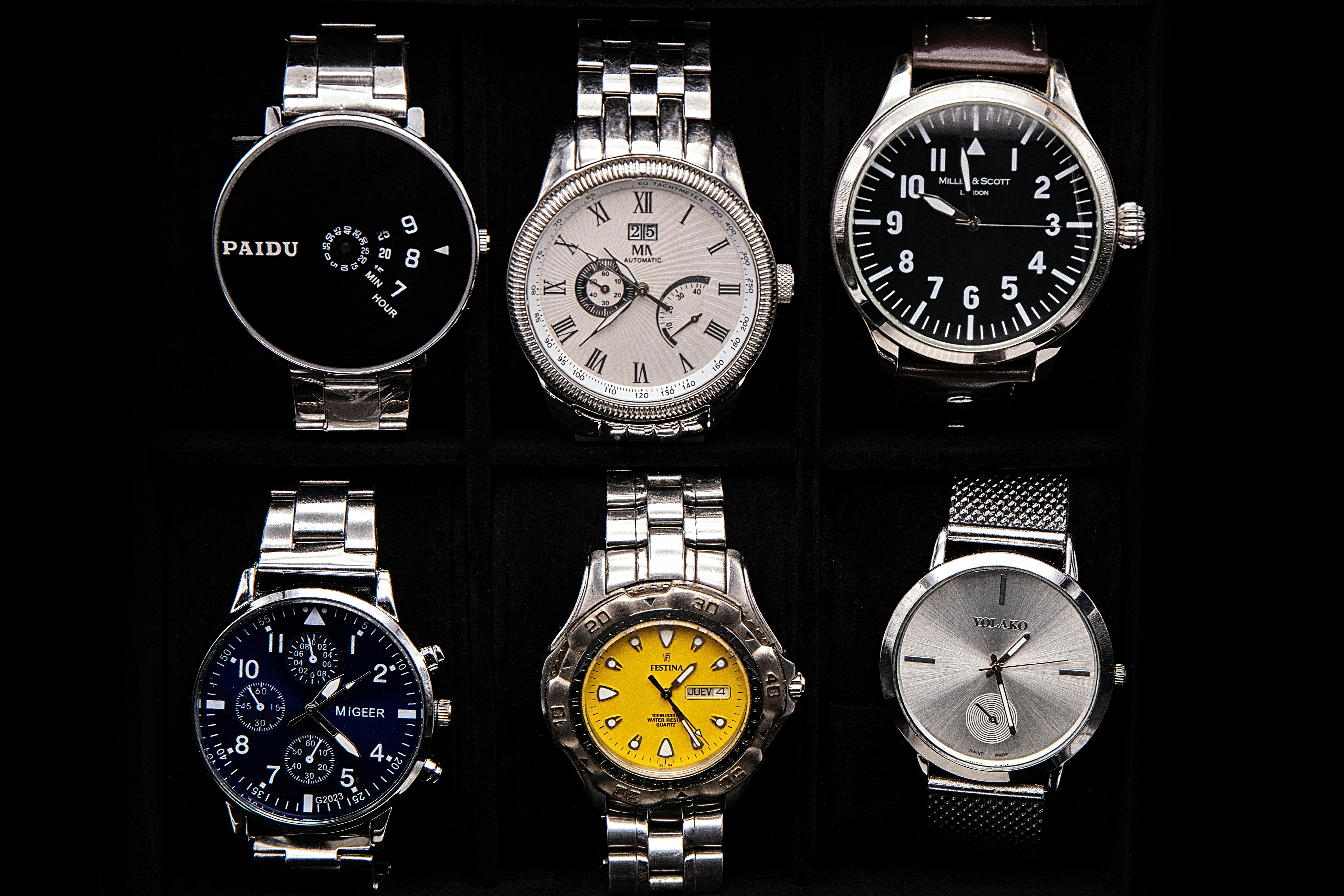
Walk into any major city right now — Dubai, London, Bangkok, New York — and you will spot wrists carrying what looks like a Rolex Submariner or a Datejust. Some of those watches cost $15,000. Others cost $300. And increasingly, even the people wearing the $300 version are not embarrassed about it. Something shifted in the past two years that changed how buyers think about watch replicas, and specifically about what the industry now calls "super clones." This is not a story about counterfeiting. It is a story about manufacturing, aspiration, and a luxury market that priced out most of the people who once loved it.
What Makes a Super Clone Different From a Fake
The word "fake" usually brings to mind a $20 street market watch with a crooked logo and a cheap plastic clasp. Super clones are a different category entirely. Factories — mostly based in Guangdong, China — have spent years reverse-engineering Rolex movements, cases, dials, and bracelets using the same grades of 904L stainless steel that Rolex itself uses. The crown engraving depth, the weight of the bracelet, the smoothness of the bezel click — these manufacturers obsess over details that most buyers would never consciously notice but would feel immediately if they were off.
Some super clone movements now use cloned versions of the Rolex 3135 or 3235 calibers, built to run within COSC chronometer tolerances. A few factories even engrave the movement rotor with the Rolex crown. This level of detail was not commercially viable even five years ago. The tooling, the CNC machining precision, and the finishing work required to get there took years of iteration. What buyers are purchasing in 2026 is the result of roughly a decade of quiet manufacturing improvement.
The Real Rolex Market Priced People Out — And They Noticed
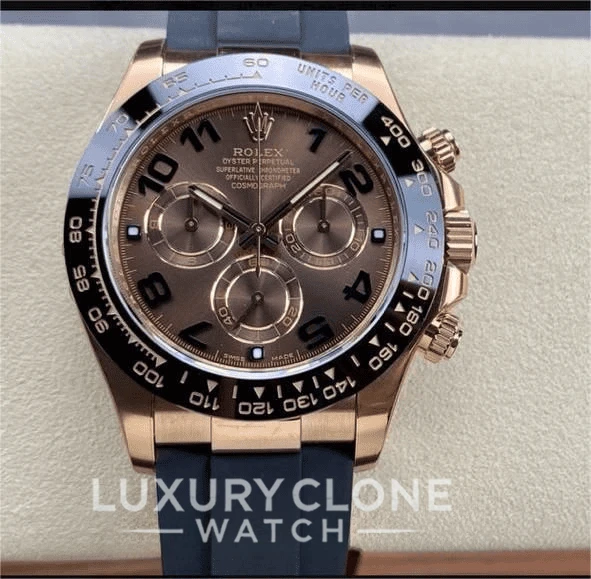
Rolex does not sell its most popular watches at retail anymore, not practically speaking. A Submariner with a ceramic bezel has a listed retail price of around $9,100. But you cannot walk into an authorized dealer and buy one. Waitlists at established dealers run two to five years, and to get on those lists you typically need a purchase history with that dealer — meaning you need to have already bought expensive Rolex or other luxury watches from them. The secondary market price for the same Submariner sits between $13,000 and $16,000 depending on the year and condition.
This created a specific kind of frustration. Someone who genuinely loves the design of a Rolex — who has followed watchmaking for years, who understands what makes the Submariner an icon — found themselves locked out not because they could not afford retail but because the entire retail system became inaccessible. That person is a real buyer for a super clone. They are not trying to trick anyone. They want to wear a watch they find beautiful, and the company that makes it has made legitimate access essentially impossible for most people.
Who Is Actually Buying These Watches in 2026
Forums like RWI (Replica Watch Info) and various Reddit communities give a surprisingly clear picture of the buyer. They tend to be men between 28 and 45, often professionals — engineers, finance workers, creatives — who have a genuine interest in watches and horology. A common story on these forums goes: bought a super clone to scratch the itch, learned more about movements and complications, and eventually saved up to buy an authentic watch in a different brand where retail access is more straightforward.
There is also a practical buyer who simply wants a well-made wristwatch that looks a certain way and costs less than a used car. This person is not part of any watch community. They are not comparing lume plots or debating rehaut engravings. They want something that feels solid on the wrist, keeps time reliably, and looks good in a meeting. Super clones increasingly serve that buyer too, because the finishing quality has reached a level where the watch functions and feels like a premium product — even if its provenance is legally and ethically complicated.
The Ethical Tension Nobody Talks About Clearly
Super clones exist in a legal grey area that varies by country. In most jurisdictions, manufacturing and selling them is clearly illegal under trademark and copyright law. Buying them for personal use sits in a murkier space. Rolex's trademark is being used without permission, and the company loses no sale only in the technical sense — since the person buying a $300 super clone was never going to pay $16,000 on the grey market anyway.
What makes this tension interesting in 2026 is that Rolex's own business practices have made it harder to defend the brand as a wronged party in casual conversation. When a brand controls supply to manufacture scarcity, inflates secondary market prices by limiting authorized dealer stock, and uses that artificial scarcity as a marketing mechanism, it is harder to generate public sympathy when people find alternatives. This does not make super clones legal. It does explain why the cultural narrative around them has shifted from "shady fake" to something more ambivalent.
What the Watch Industry Should Take From This
Fernando Arcos
The growth of the super clone market is a direct feedback signal to the luxury watch industry. When a product becomes so inaccessible that a parallel market evolves to serve the demand you created but refused to meet, something structural has gone wrong. Rolex is not the only brand facing this. Patek Philippe, Audemars Piguet, and Richard Mille all have strong super clone markets built around their most desirable references.
Brands that have made genuine access easier — Tudor, Longines, and to some extent Omega — do not face the same scale of replica demand for their core lineup. The correlation is not perfect, but it is visible enough to be meaningful. If you make it possible for someone who genuinely wants your product to actually buy it, you reduce the appeal of the alternative.
The Bottom Line
Super clone Rolex watches are popular in 2026 because the manufacturing quality has genuinely improved, because the authentic market became structurally inaccessible to most buyers, and because the cultural stigma around wearing one has eroded as those two facts became widely understood. None of that makes them a legally clean purchase. But the demand is real, it is growing, and it is being driven by manufacturing innovation and market dysfunction in roughly equal measure. Anyone who wants to understand modern luxury — what it means, who it serves, and what happens when it prices out its own admirers — could learn quite a lot by paying attention to this corner of the watch world.

 English
 Arabic
 French
 Portuguese
 Deutsch
 Turkish
 Dutch
Dutch
 Italiano
 Russian
 Romaian
 Portuguese (Brazil)
 Greek
Greek