

How Long Does an Asphalt Roof Last?
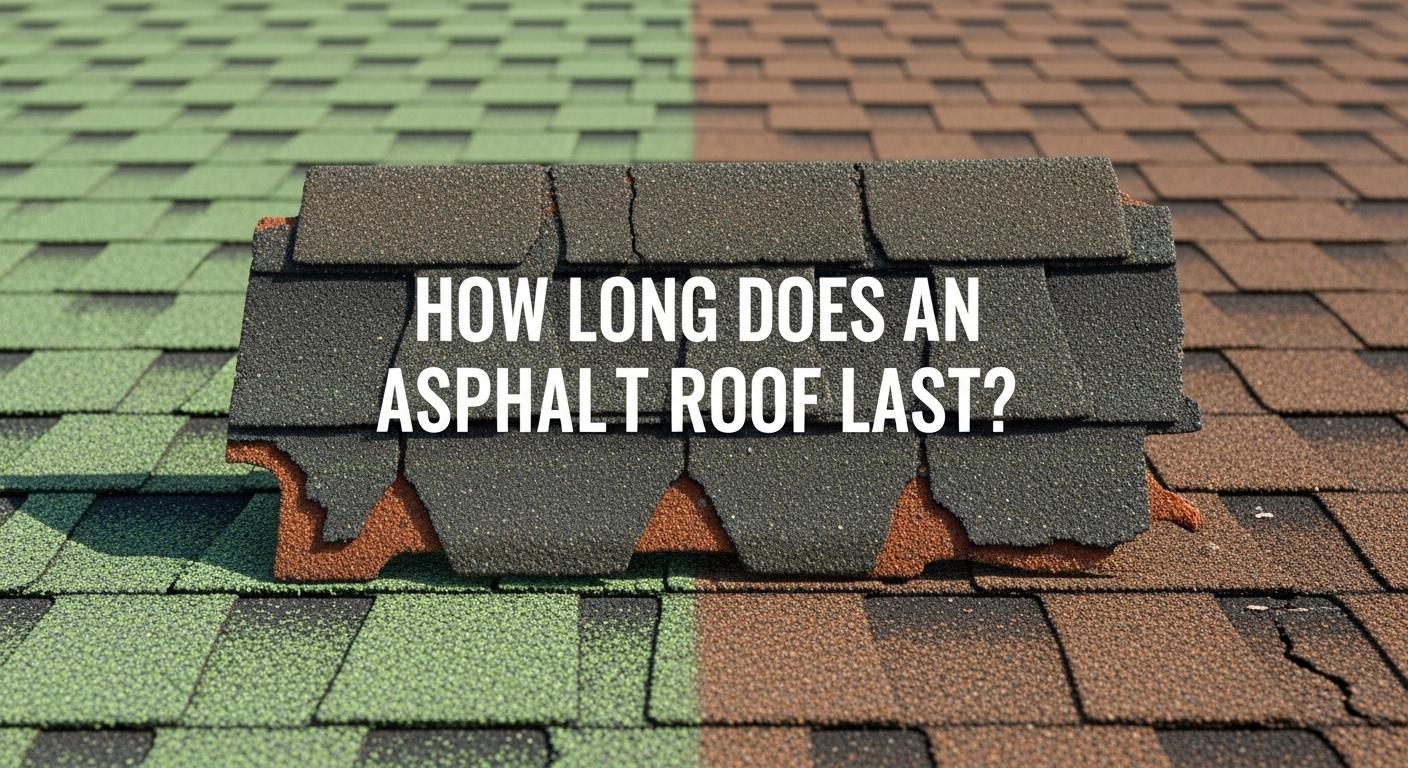
The question that homeowners and construction professionals will ask when it comes to roofing is what is the lifespan of an asphalt roof. Studies show that standard asphalt shingle roofing typically lasts 15-30 years, depending on the quality of the materials used, weather factors, and maintenance practices.
Knowing this lifespan will directly impact the building's safety, future repair planning, and long-term structural integrity. A proper plan is one that is based on real data, and reliable roofing estimation helps determine the exact roof size, required materials, and potential wear patterns. This process ensures decisions are based on accurate measurements and professional estimating services rather than rough guesses, supporting better planning and long-term performance of the structure.
The lifespan of an asphalt roof, as it were, will be discussed in this article. You will learn about the issues that determine durability, the typical life cycle, common wear patterns, and how to extend the service life of your roof.
Factors Affecting Asphalt Roof Lifespan
The life of an asphalt roof is not a specific number. Its lifespan is affected by several interrelated factors:
1. Type of Asphalt Shingles
There are three typical types of asphalt shingles, namely:
- Threetab shingles: Lightweight and standard, and have a life span of 15-20 years.
- Architectural shingles: They are multi-layered and thicker; most of them have a service life of 25 to 30 years.
- Premium or laminated shingles: This kind of shingle is designed to be durable, and in the most favorable conditions, they last as long as 40 years.
The nature and the thickness of shingles have a direct effect on weathering resistance and stress on the structure.
2. Weather and Environmental Conditions
The weather is a very important factor. Regions with:
- Extreme heat: Has the potential to increase shingle cracking and curling.
- Excessive rains or snow: May create leakages and structural vulnerability.
- Strong winds or storms: Have the ability to shake off the shingles or to strip off the under-layers.
Even UV alone will deteriorate asphalt over time, reducing the life of roofs when protective coatings are of an inadequate quality.
3. Installation Quality
An installed roof has a longer life span as compared to an improperly aligned or poorly underlaymented roof. Errors in roofing, like a lack of nail penetration, uneven piling of shingles, or improper ventilation, may shorten life by 5-10 years.
4. Roof Slope and Design
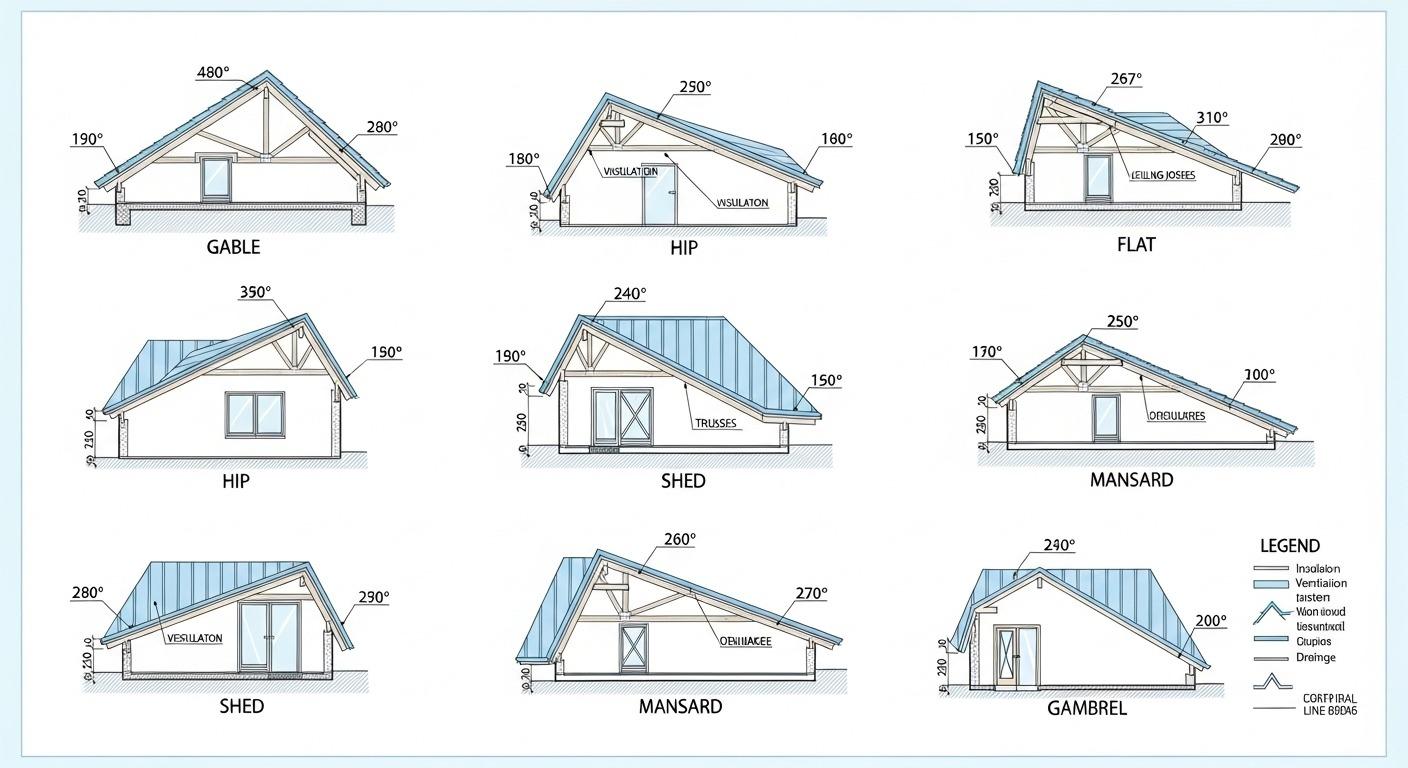
The steep-sloped roofs are efficient in shedding off water, hence avoiding moisture damage, whereas flat or low-slope roofs hold the water, thus leading to a high chance of leaks and accelerating shingle wear. The complexity of the roof is also important because chimneys, vents, and valleys are also high-stress areas highly likely to deteriorate early.
5. Maintenance Practices
The process of regular inspection, removal of debris, and minor repair helps prevent such minor issues from escalating into major problems. Leaving it unmaintained may reduce the life of an asphalt roof by half, whereas preventive maintenance can extend it by a number of years.
Expected Lifespan of Asphalt Roofs by Shingle Type
To explain expectations, the following is a breakdown of the asphalt roof longevity according to quality and design:
|
Shingle Type |
Average Lifespan |
Notes |
|
Standard 3-Tab |
15–20 years |
The least expensive, not very tough in a tough environment. |
|
Architectural/Laminated |
25–30 years |
Gives it enhanced wind and impact resistance. |
|
Premium Engineered |
30–40 years |
The best in regard to durability, extreme weather. |
The ranges are typical values in normal environmental conditions and with due maintenance.
Signs Your Asphalt Roof Is Reaching the End of Its Life
Early aging identification helps avoid the effects of water, structural problems, and expensive repairs:
- Curling or Buckling Shingles: These shingles can be lifted or twisted, which denotes the long exposure to heat or water.
- Granule Loss: The Asphalt shingles are covered with granules, which give better protection against the UV and weather; bald areas expose the shingles to sunlight.
- Leaks or Water Stains: This interior ceiling spot is an indication of damaged shingles or underlayment.
- Cracked or Missing Shingles: Storms, ice, or old age may lead to the cracking of the shingles, which exposes the house to more danger.
- Sagging Roof Deck: Structural weakening can happen if the water infiltration is more than necessary.
These problems could be identified during frequent roof inspections to avoid further intensification.
Environmental and Structural Factors Affecting Asphalt Roof Lifespan
Shingles, even of good quality, will not resist all environmental stressors:
- Fluctuations in temperatures: Shingles may be broken in case of freeze-thaw cycles, particularly in northern areas.
- Humidity/moisture: The constant exposure will increase the deterioration of the underlayment and mould growth.
- Debris and vegetation flying: Trees or leaves that are near the house can get wet and rot.
- Pollution and acid rain: The chemical exposure can harm the asphalt composition within a span of decades.
Wear patterns are also affected by structural problems, including a lack of attic ventilation or insulation. Lack of airflow will trap heat and moisture, which increases the deterioration of shingles.
How Maintenance Impacts Asphalt Roof Lifespan
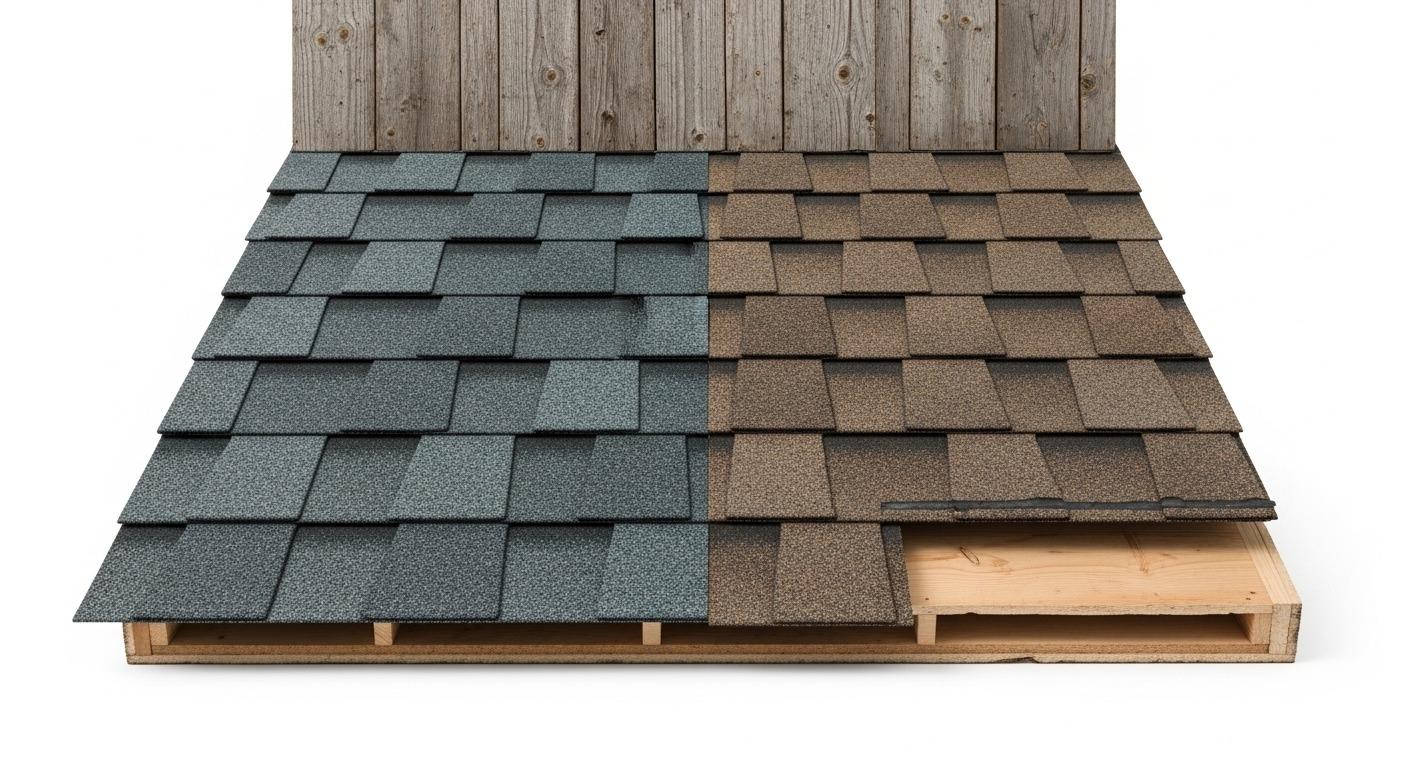
The ultimate way to lengthen the life of roofs is by conducting maintenance, which is the only viable non-replacement technique. Practical measures include:
- Periodic check-ups: Checks are going to be conducted twice a year to detect early damage or possible leaks.
- Debris Removal: The moisture is retained by leaves, brushes, and moss, thereby leading to rot.
- Repair of Minor Damages: Individual damaged shingles: Replacing individual damaged shingles will prevent water penetration.
- Proper Ventilation: It is important to make sure the attic is well ventilated to minimize heat and moisture condensation.
- Gutter Cleaning: Stops water spillage and accumulation at the roof-base.
Regular repair will prolong an average 20-year old roof to 25 or 30 years under good conditions.
Research Findings on Asphalt Roof Lifespan
Longitudinal studies show:
- Normal asphalt roofs do not last beyond 20 years in stressful climate situations.
- Architectural shingles always beat the 3-tab shingles, and their lifespan has been reported to be 25 years to 30 years.
- In moderate climates, Premium laminated shingles may last over 35 years with no significant repairs.
Such results point to the fact that the quality of materials is essential, but environmental conditions and maintenance practices are as important.
Conclusion
To comprehend the duration of asphalt roof life, one should determine the type of material, the climate, the quality of workmanship and installations, and the desirability of maintenance.
Shingles have a lifespan of 15 to 20 years on average as standard 3-tab shingles, 25-30 years on average due to the architectural shingles, and 40 years on average due to the premium shingles under ideal conditions. Before long, there will be indications that it needs some tightening, which are curling shingles, loss of granules, or leaks. Good maintenance, ventilation and clearing of debris greatly increase roof life.
Understanding of these variables aids homeowners, architects, and inspectors in making plans on how the roof will perform and last for decades.
Frequently asked questions
Are asphalt roofs superior to 30-year life expectancy?
However, high-quality laminated or high-quality asphalt shingles have the possibility to last over 30 years in a moderate climate, provided that they are well-maintained or well-ventilated.
What is the influence of climate on the life of an asphalt roof?
The harsher climate conditions, such as extreme heat, freeze-thaw, high humidity, and strong winds, are the factors that increase the rate of shingle wear, whereas mild, dry climates increase their overall life.
What can be done in the form of routine inspections that will help extend the life of the asphalt roof?
Regular (twice a year) curled shingle, granule, and leakage, and gutter inspections are used to ensure that small problems do not turn into structural problems.

 English
 Arabic
 Spanish
 Portuguese
 Deutsch
 Turkish
 Dutch
Dutch
 Italiano
 Russian
 Romaian
 Portuguese (Brazil)
 Greek
Greek