

High-Quality Floating Docks for Any Waterfront
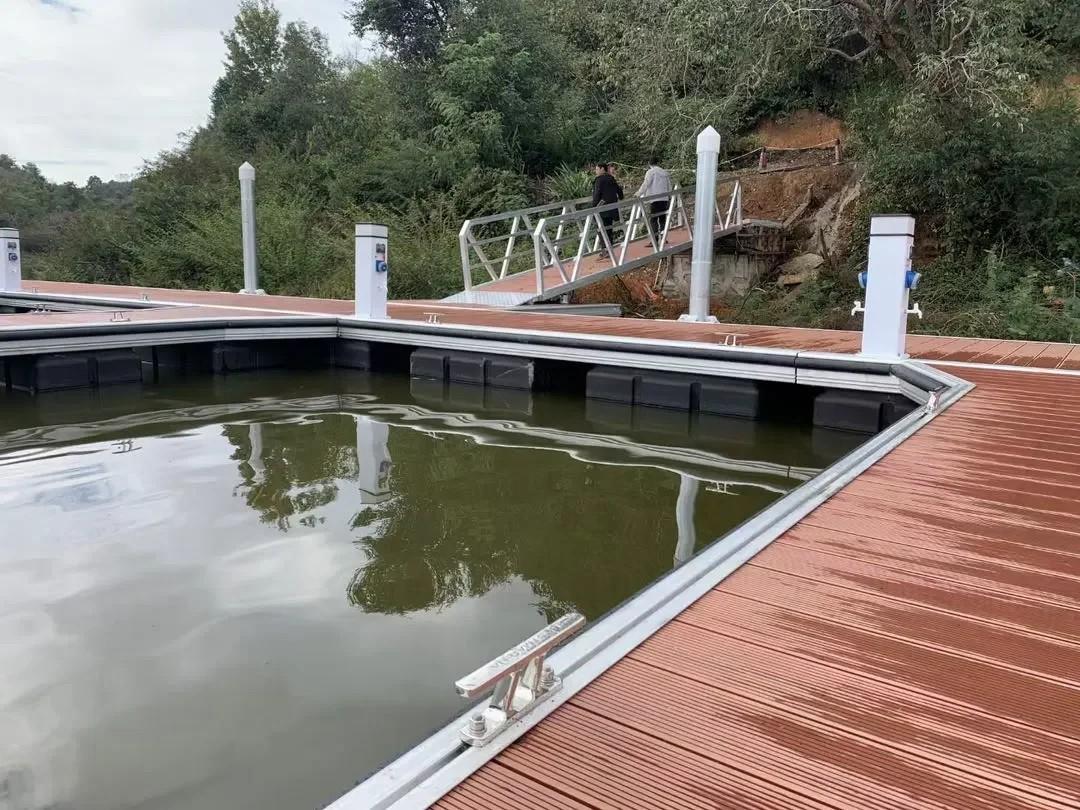
Waterfront access enhances both recreational and commercial spaces, offering convenient entry points for boating, fishing, swimming, and waterfront activities. Among the many dock solutions available today, Floating Docks stand out for their adaptability, durability, and ability to function in changing water conditions. Whether installed along a residential lakefront, marina, riverbank, or coastal harbor, these versatile dock systems provide a practical solution for safe and reliable waterfront access.
This article explores how Floating Docks work, their key benefits, common design options, and how modern materials and engineering have made them suitable for almost any waterfront environment.
What Are Floating Docks?
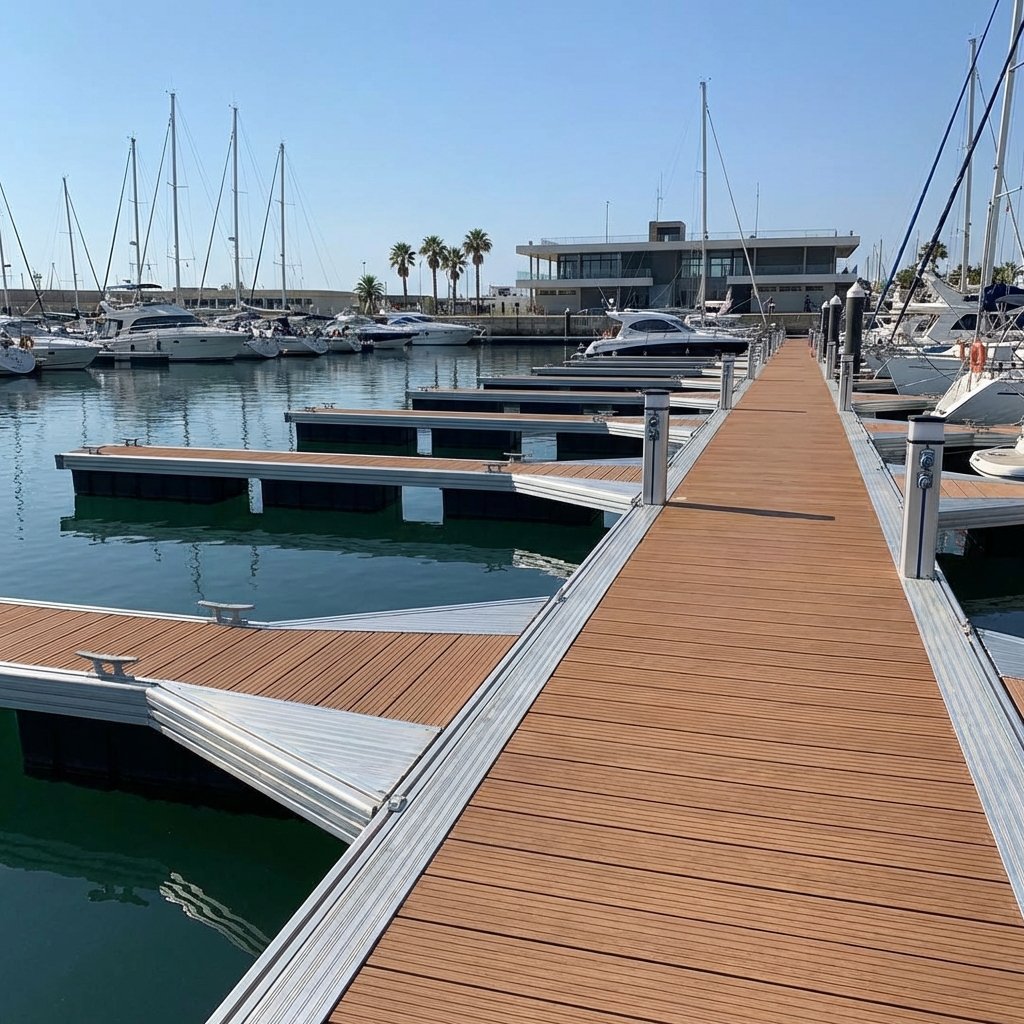
Floating Docks are dock structures that rest on buoyant flotation devices rather than being permanently fixed to the lakebed or shoreline. Instead of remaining at a fixed height, the dock rises and falls with the water level. This feature makes them particularly useful in areas where water levels fluctuate due to tides, seasonal changes, or weather conditions.
These docks are typically secured using pilings, anchors, or flexible mooring systems to keep them stable while allowing vertical movement. The result is a stable walking surface that remains accessible even when water conditions change.
Because of their flexibility and ease of installation, floating systems are widely used in marinas, residential waterfronts, parks, and commercial boating facilities.
Key Advantages of Floating Dock Systems
Floating dock systems offer several advantages that make them a popular choice for waterfront infrastructure.
1. Adaptability to Changing Water Levels
One of the most important advantages of Floating Docks is their ability to adjust to fluctuating water levels. Unlike fixed docks, which remain at a constant height, floating systems move with the water. This ensures consistent accessibility for boats and users, regardless of seasonal or tidal changes.
2. Versatile Installation Options
Floating dock systems can be installed in a wide range of environments, including:
- Lakes and ponds
- Rivers and reservoirs
- Coastal areas and harbors
- Marinas and commercial waterfronts
Because they do not require deep foundations, they can often be installed more quickly and with less site disruption than permanent dock structures.
3. Modular Design Flexibility
Many modern Floating Docks use modular sections that can be connected to create customized layouts. This allows dock owners to expand, reconfigure, or modify their system over time as needs change.
For example, a small residential dock may later be extended to accommodate additional boats, while a marina can expand to include more slips or access points.
4. Ease of Installation
Another advantage is simplified installation. Many floating dock systems are designed with lightweight sections that can be assembled on-site using basic tools. This reduces the need for heavy equipment, cranes, or specialized construction processes.
As a result, installation costs can often be lower compared with traditional fixed dock systems.
Materials Used in Modern Floating Docks
The durability of a floating dock largely depends on the materials used in its construction. Modern systems commonly use materials engineered for marine environments.
Aluminum Frames
Commercial-grade aluminum frames are widely used because they provide excellent strength while remaining lightweight. Aluminum also resists corrosion, making it ideal for both freshwater and saltwater conditions.
Marine-Grade Flotation
High-density polyethylene (HDPE) or foam-filled floats provide buoyancy and long-term stability. These floats are designed to withstand impacts, UV exposure, and temperature fluctuations.
Decking Options
Decking materials may include:
- Composite decking
- Marine-grade wood
- Aluminum decking panels
Each option offers different benefits related to durability, appearance, and maintenance requirements.
Types of Floating Dock Configurations
Floating dock systems can be designed in several configurations depending on the waterfront layout and intended use.
Residential Dock Systems
Residential docks provide convenient access for small boats, kayaks, and recreational water activities. These docks are often compact and can be installed along lakefront homes or private shoreline properties.
Marina and Commercial Dock Systems
Large-scale marina docks are designed to accommodate multiple vessels and provide organized boat slips, walkways, and access ramps. These systems often require customized layouts to maximize space and ensure safe navigation.
Custom Dock Layouts
Some waterfront locations require custom configurations due to unique shoreline conditions. Modular floating docks can be arranged in various shapes, including T-shaped, L-shaped, or multi-slip marina designs.
This flexibility allows dock systems to adapt to both small private installations and large commercial developments.
Maintenance Considerations
Maintaining a floating dock is generally straightforward, particularly when using corrosion-resistant materials. Routine inspections help ensure long-term performance and safety.
Common maintenance tasks include:
- Checking fasteners and connections
- Inspecting flotation components
- Cleaning debris from the dock surface
- Ensuring anchoring systems remain secure
With proper care, many floating dock systems can provide reliable service for decades.
Floating Docks for Different Waterfront Environments
Floating docks are suitable for a wide range of waterfront conditions. Their adaptability makes them especially useful in areas where traditional dock structures may not perform well.
Lakes and Reservoirs
Seasonal water level changes in lakes and reservoirs make floating docks a practical option for maintaining consistent dock height and boat access.
Rivers and Tidal Areas
In rivers and coastal environments, tides and currents can significantly affect water levels. Floating systems adjust naturally to these variations while remaining securely anchored.
Marinas and Boating Facilities
Marinas benefit from floating docks because they simplify boat docking and improve accessibility for boaters. The modular design also allows marina operators to expand capacity as demand grows.
The Future of Floating Dock Design
Advancements in marine engineering and materials continue to improve the performance and sustainability of floating dock systems. Lightweight aluminum frameworks, eco-friendly manufacturing processes, and improved flotation technologies are making docks stronger and easier to install.
As waterfront development continues worldwide, Floating Docks are expected to remain a leading solution for residential, recreational, and commercial marine infrastructure.
Conclusion
Waterfront access requires reliable infrastructure that can withstand changing water conditions and long-term environmental exposure. Floating Docks provide a practical solution by combining flexibility, durability, and adaptable design.
From small residential docks to large marina installations, these systems offer a versatile approach to building and maintaining waterfront access points. By using modern materials and modular engineering, floating dock systems can be tailored to suit a wide variety of waterfront environments.
Frequently Asked Questions (FAQs)
1. What are floating docks used for?
Floating docks provide stable access to water for boating, fishing, swimming, and marina operations while adapting to changing water levels.
2. How long do floating docks typically last?
With proper materials and maintenance, floating dock systems can last several decades.
3. Are floating docks suitable for saltwater environments?
Yes. Many floating dock systems use corrosion-resistant materials such as aluminum and HDPE floats designed for saltwater conditions.
4. Can floating docks be expanded later?
Yes. Modular floating docks can often be expanded or reconfigured by adding additional sections.
5. Are floating docks difficult to install?
Most modern floating dock systems are designed for relatively simple installation and can often be assembled with standard tools.

 English
 French
 Spanish
 Portuguese
 Deutsch
 Turkish
 Dutch
Dutch
 Italiano
 Russian
 Romaian
 Portuguese (Brazil)
 Greek
Greek