

Graphic Design Mistakes That Reduce Engagement and Conversions
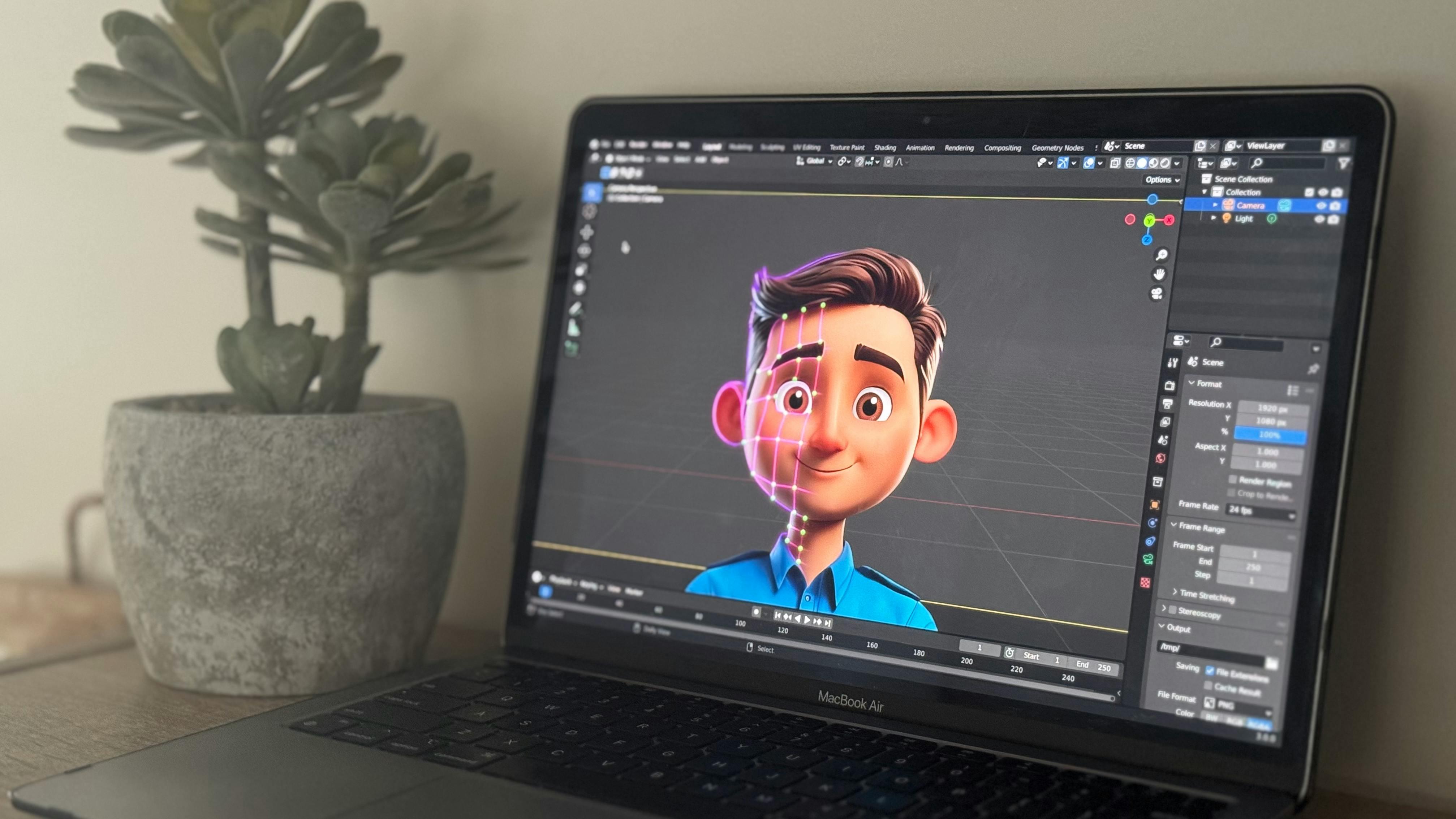
In the digital landscape, visual communication determines whether users stay, interact, and convert or abandon a page entirely. Businesses invest heavily in marketing campaigns, yet overlook critical graphic design mistakes that undermine engagement and revenue. Design is not merely decoration? it is a strategic tool that guides attention, communicates value, and shapes user behavior.
When design fails, users experience friction. Poor layouts, inconsistent branding, and outdated visuals disrupt the user journey and significantly reduce conversion rates. At the same time, ignoring modern graphic design trends can make a brand appear outdated and untrustworthy.
This comprehensive guide examines the most damaging graphic design errors and provides strategic solutions to create visuals that increase engagement, strengthen brand identity, and drive measurable conversions.
The Relationship Between Graphic Design and User Engagement
Design directly affects how users perceive and interact with a brand. A well-structured visual hierarchy helps users scan information quickly, while balanced layouts make content easier to absorb.
Poor design, on the other hand, causes cognitive overload. When users struggle to find information or interpret visual cues, they leave.
Key factors that influence engagement include:
- Visual hierarchy
- Typography clarity
- Color harmony
- Layout balance
- Responsive design
- Alignment with modern graphic design trends
Organizations that prioritize these principles consistently outperform competitors in engagement metrics and conversion rates.
Common Graphic Design Mistakes That Harm Conversions
1. Poor Visual Hierarchy
One of the most frequent graphic design mistakes is failing to establish a clear visual hierarchy. When headlines, images, and calls-to-action compete for attention, users cannot determine where to focus.
A strong hierarchy guides the viewer’s eye in a logical sequence.
Best practices
- Use size and contrast to emphasize primary elements
- Structure content using clear headings and spacing
- Place calls-to-action where attention naturally flows
Without hierarchy, even high-quality content becomes difficult to consume.
2. Overcrowded Layouts
Design clutter is a silent conversion killer. When too many elements compete for attention icons, images, text blocks, and banners the page becomes visually overwhelming.
Minimalism remains one of the most effective graphic design trends because it prioritizes clarity and usability.
Solutions
- Use whitespace to separate sections
- Limit design elements to essential components
- Focus on one primary action per page
Whitespace is not empty space; it is a strategic tool that improves readability and directs attention.
3. Inconsistent Branding
Brand inconsistency confuses users and weakens trust. Colors, fonts, and visual styles must remain consistent across all marketing materials.
Common branding inconsistencies include:
- Using multiple color palettes
- Switching typography styles
- Mixing illustration styles with photography without cohesion
Consistency reinforces brand recognition and ensures a seamless experience across platforms.
4. Poor Typography Choices
Typography influences both readability and emotional perception. Complex fonts, inconsistent spacing, or insufficient contrast create friction for readers.
Critical typography errors include:
- Using too many font families
- Selecting decorative fonts for body text
- Poor line spacing and alignment
Modern graphic design trends emphasize typography that is simple, readable, and adaptable across screen sizes.
Typography guidelines
- Limit designs to two or three font families
- Maintain strong contrast between text and background
- Use consistent line height and spacing
5. Ignoring Mobile Optimization
A design that performs well on desktop but fails on mobile devices dramatically reduces engagement.
Mobile design mistakes include:
- Small text sizes
- Unresponsive images
- Buttons that are difficult to tap
Responsive design ensures visual consistency across all devices and is now a fundamental requirement rather than an optional enhancement.
6. Weak Call-to-Action Design
A poorly designed call-to-action (CTA) prevents users from completing desired actions. CTAs that blend into the layout or lack contrast often go unnoticed.
Effective CTA design includes:
- High color contrast
- Clear action-oriented text
- Strategic placement within the visual hierarchy
The CTA must be visually dominant without appearing aggressive.
7. Low-Quality Images and Graphics
Blurry or poorly composed images instantly damage credibility. High-resolution visuals create a professional impression and reinforce brand authority.
Current graphic design trends favor authentic imagery, bold illustrations, and high-impact visuals that communicate messages quickly.
Image optimization tips
- Use high-resolution graphics
- Compress images without sacrificing quality
- Maintain consistent visual style across assets
8. Ignoring Accessibility
Accessibility is often overlooked but critical for modern design. When visuals exclude users with visual impairments or reading difficulties, engagement decreases.
Accessibility improvements include:
- High color contrast
- Alt text for images
- Readable typography
- Logical layout structure
Accessible design enhances usability for all users.
Modern Graphic Design Trends That Improve Engagement
Avoiding graphic design mistakes is only half the equation. Integrating modern graphic design trends ensures that visuals remain relevant and appealing.
Minimalist Interfaces
Clean, uncluttered layouts reduce distractions and improve focus. Minimalism prioritizes essential content and removes unnecessary design elements.
Bold Typography
Large, expressive typography is increasingly used to capture attention and establish strong visual hierarchy.
Immersive Visual Storytelling
Brands are using dynamic visuals, illustrations, and interactive elements to guide users through narratives that build emotional connections.
Motion Graphics
Subtle animations and transitions enhance user engagement by providing visual feedback and highlighting key interactions.
Gradient Color Schemes
Gradients add depth and vibrancy to digital interfaces while maintaining a modern aesthetic.
Strategic Design Principles for High-Converting Visuals
Successful visual design follows a structured approach that balances creativity with usability.
Clarity Over Complexity
Every design element must serve a purpose. Eliminating unnecessary components improves comprehension and engagement.
Consistent Design Systems
A well-defined design system ensures consistency across websites, advertisements, and marketing materials.
User-Centered Design
Design decisions should always reflect user behavior patterns and expectations.
Data-Driven Optimization
Analyzing engagement metrics such as click-through rates, bounce rates, and heatmaps reveals which visual elements drive conversions.
Final Thoughts
Effective visual communication requires more than aesthetic appeal. Avoiding critical graphic design mistakes while embracing emerging graphic design trends allows brands to create compelling digital experiences that attract attention, build trust, and convert visitors into customers.
Design that prioritizes clarity, consistency, and user experience transforms static visuals into powerful tools for engagement and growth. Businesses that continuously refine their visual strategy gain a significant competitive advantage in the digital marketplace.

 English
 Arabic
 French
 Spanish
 Portuguese
 Deutsch
 Turkish
 Italiano
 Russian
 Romaian
 Portuguese (Brazil)
 Greek
Greek