

When Should Teams Perform Regression Testing in the Development Cycle?
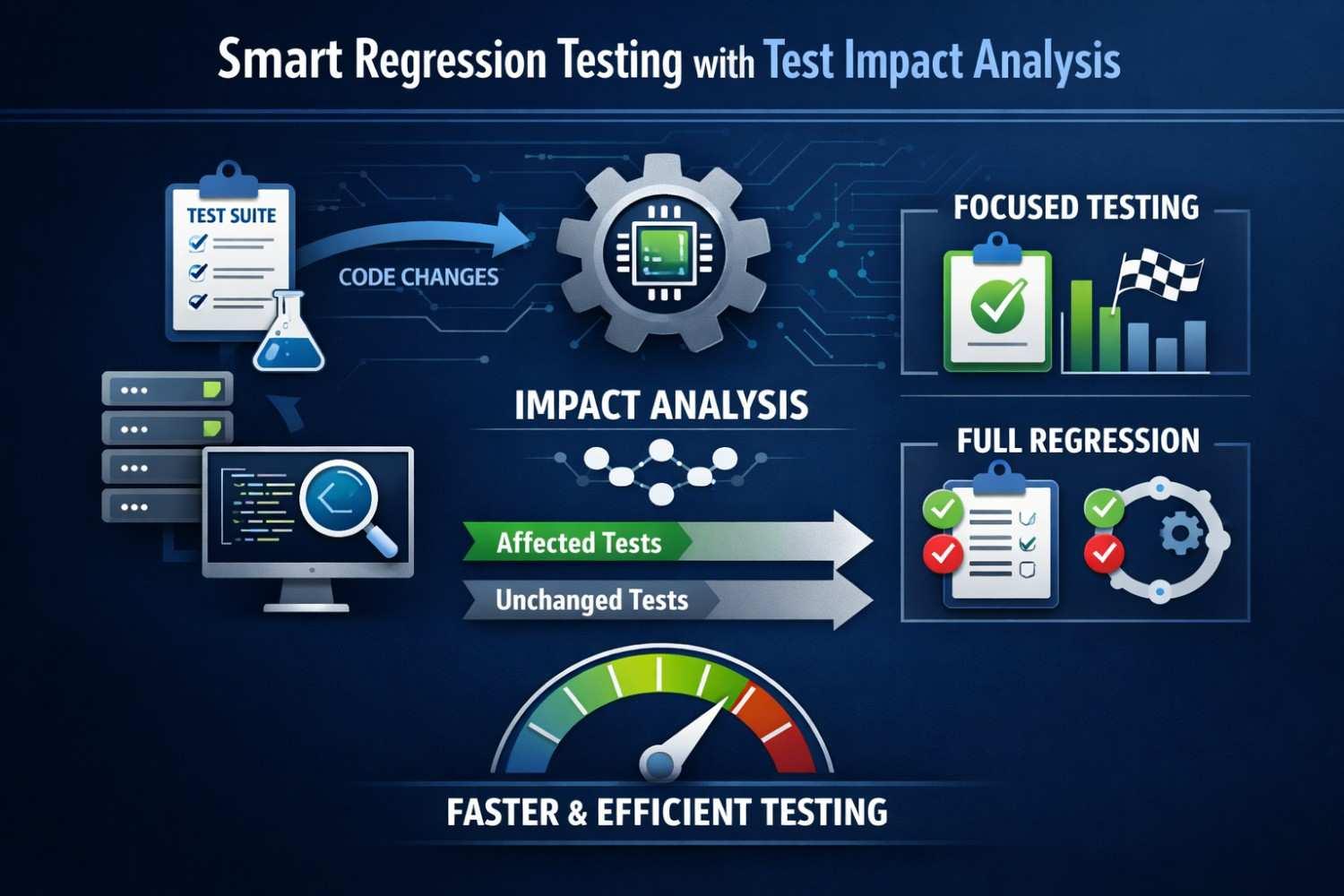
Modern software development involves frequent updates, feature additions, and bug fixes. While these improvements enhance the application, they can sometimes unintentionally affect existing functionality. Ensuring that previously working features continue to behave correctly is essential for maintaining software reliability. This is why regression testing plays a critical role throughout the development cycle.
Regression testing verifies that changes in the codebase do not introduce new problems in areas that were previously working as expected. However, knowing when to perform regression testing is just as important as understanding how to perform it. Executing it at the right stages of development helps teams maintain stability while keeping testing efforts efficient.
After Implementing New Features
One of the most common times to perform regression testing is after new features are added to an application. Introducing new functionality often requires changes to existing code, which can sometimes affect previously implemented components.
Running regression testing after feature development helps confirm that the newly added functionality integrates smoothly with the rest of the system and does not interfere with existing workflows.
After Fixing Bugs
Bug fixes may appear small, but they often involve modifying the application’s logic. Even a minor change can influence other parts of the system that rely on the same code.
Performing regression testing after resolving defects helps ensure that the fix has not introduced additional problems elsewhere in the application. This step helps maintain system stability and prevents recurring issues.
During Continuous Integration Builds
Many modern development teams use continuous integration practices where developers frequently merge code changes into a shared repository. In such environments, regression testing is often triggered automatically whenever new code is integrated.
Automated regression tests run as part of the build process, verifying that recent changes do not break existing functionality. This immediate feedback helps developers identify problems early and resolve them quickly.
Before Major Releases
Before releasing a new version of an application, teams usually perform a comprehensive round of regression testing. This step ensures that the entire system functions correctly after multiple changes have been introduced during the development cycle.
Pre-release testing helps confirm that all critical features operate properly and that no unexpected issues remain in the system. It acts as a final quality check before the software reaches end users.
After System Integration
When multiple modules or services are integrated into a single application, interactions between components can sometimes produce unexpected results. Regression testing after integration helps verify that different parts of the system work together as intended.
This stage is particularly important for large applications where different teams develop separate modules that must operate seamlessly within the same environment.
After Performance or Infrastructure Changes
Changes to infrastructure, databases, or system configurations can also impact application behavior. Even though these changes may not directly affect the application code, they can still influence how the software operates.
Performing regression testing after such updates helps ensure that the system continues to function correctly under the new environment.
During Regular Testing Cycles
In addition to specific development events, many teams perform regression testing as part of regular testing cycles. Periodically executing regression tests helps identify hidden issues that may arise as the application evolves.
Scheduled testing cycles ensure that important workflows and features remain stable over time, especially in long-running projects.
Balancing Frequency and Efficiency
While regression testing is essential, running the entire test suite after every small change may not always be practical. Large applications often have extensive test suites that can take significant time to execute.
To maintain efficiency, teams often combine different strategies such as selective testing, automated testing, and test prioritization. These approaches help ensure that critical areas of the application are tested without unnecessarily slowing down development.
Conclusion
Maintaining software stability throughout the development lifecycle requires continuous validation of existing functionality. Regression testing provides this validation by confirming that code changes do not negatively affect previously working features.
By performing regression testing after feature updates, bug fixes, system integrations, and before major releases, teams can detect potential problems early and maintain reliable software. Integrating regression testing into regular development workflows helps organizations deliver stable applications even as their systems evolve and expand.

 English
 Arabic
 French
 Spanish
 Portuguese
 Turkish
 Dutch
Dutch
 Italiano
 Russian
 Romaian
 Portuguese (Brazil)
 Greek
Greek