A needle detector is a critical safety machine used in garment manufacturing to detect broken needles, metal fragments, and other metallic contaminants inside finished garments. During sewing operations, sewing machine needles can break and small fragments may remain trapped in fabric layers. If these fragments reach consumers, they create serious safety risks and product recalls.
Modern apparel factories rely on needle detection machines as part of their final quality control process. The machine scans garments using metal detection technology and alerts operators when metallic particles are present. This process protects consumer safety, ensures compliance with global garment safety standards, and prevents costly quality failures in the supply chain.
What Is a Needle Detector?
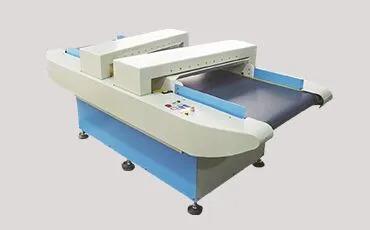
A needle detector machine is an industrial metal detection device designed specifically for textile and garment production. It identifies metal fragments such as broken sewing needles, pins, staples, and wire pieces that may remain inside garments during production.
The machine operates using magnetic sensors that detect metallic disturbances as garments pass through a detection zone. If the detector senses metal above a defined threshold, it triggers an alarm and stops the conveyor belt. This allows operators to isolate and inspect the contaminated product before shipment.
Needle detectors are widely used in apparel factories producing garments for international brands. Many global retailers require mandatory needle detection checks before packaging and shipment.
Why Needle Detection Is Essential in the Garment Industry
Garment manufacturing involves thousands of sewing operations daily. High-speed sewing machines increase production efficiency but also raise the risk of needle breakage. Even a small fragment hidden in fabric layers can cause injury to the end consumer.
Needle detection prevents these risks by ensuring garments are scanned before leaving the factory. Retailers and brands include metal detection requirements in their quality assurance protocols. Many compliance audits verify that factories use properly calibrated needle detector machines.
The system also protects brand reputation. A single metal contamination incident can trigger product recalls, legal claims, and loss of customer trust. Needle detection provides a reliable preventive measure.
How a Needle Detector Works
A needle detector works by generating a magnetic field within the detection tunnel. When a metallic object passes through this field, it disrupts the signal. Sensors detect this disturbance and convert it into an electronic signal.
The system processes the signal instantly and determines whether the metal object exceeds the allowed detection threshold. If the object is detected, the machine stops the conveyor and activates visual and audio alarms. The contaminated garment is then removed and inspected manually.
Modern machines can detect extremely small needle fragments. Detection sensitivity depends on machine design, sensor configuration, and calibration settings.
Detection Zone
The detection zone is the tunnel area where garments pass through the machine. Sensors continuously monitor this space for metal disturbances. Larger detection zones allow scanning of bulky garments like jackets and coats.
Control System
The control panel manages sensitivity levels, detection thresholds, and alarm settings. Operators adjust these settings depending on garment type, fabric thickness, and production requirements.
Alarm and Stop Mechanism
When metal is detected, the machine activates alarms and stops the conveyor belt. This ensures contaminated garments cannot move further into packing or shipping stages.
Types of Needle Detector Machines
Different needle detector machines are used in apparel manufacturing depending on production volume, garment size, and factory workflow.
Conveyor Needle Detector
The conveyor needle detector is the most common machine in garment factories. Garments move through the detector on a conveyor belt, allowing continuous scanning during final inspection. This type supports high production speed and consistent inspection.
Tabletop Needle Detector
A tabletop detector is used for smaller production units or specialized inspections. Operators manually place garments into the detection zone. These machines are compact and suitable for sample rooms or boutique production environments.
Handheld Metal Detector
Handheld metal detectors are portable devices used to locate metal fragments within garments after the main machine triggers an alarm. They help operators pinpoint the exact location of the contamination.
Detection Sensitivity and Calibration
Detection sensitivity determines the smallest metal fragment a needle detector can identify. High-quality machines can detect fragments as small as one millimeter depending on fabric thickness.
Calibration ensures the machine maintains consistent detection performance. Factories typically perform calibration tests using standardized metal test pieces. These test pieces simulate broken needle fragments and verify that the detector responds correctly.
Regular calibration is required to comply with international garment safety standards and retailer audit requirements.
Safety Standards and Compliance
Many international apparel brands require needle detection as part of their product safety policy. Garment manufacturers exporting to major markets must follow strict metal contamination control procedures.
Retailers often require documented needle control systems. These systems include needle breakage records, fragment recovery procedures, and mandatory needle detection scanning before packaging.
Needle detectors help factories meet compliance requirements for safety audits conducted by brands, certification bodies, and third-party inspection agencies.
Where Needle Detectors Are Used in Production
Needle detectors are typically placed near the end of the garment production line. Finished garments pass through the machine before packing and shipment. This ensures every product is inspected after all sewing operations are complete.
Factories producing children's clothing and baby garments often apply stricter inspection procedures. Safety standards for these products are particularly strict because small metal fragments pose higher risks to children.
Large apparel manufacturing facilities integrate needle detection as part of a structured quality assurance workflow that includes inspection, pressing, packing, and final shipment checks.
Advantages of Using Needle Detectors
Needle detection machines significantly improve product safety in garment manufacturing. They help eliminate hidden metal contaminants that cannot be detected through visual inspection alone.
Factories benefit from improved compliance with retailer safety policies and international product safety regulations. This reduces the risk of shipment rejection and product recalls.
Needle detectors also improve internal quality control processes. By identifying needle breakage incidents early, production teams can investigate root causes and prevent repeated problems in sewing operations.
Needle Detector vs Standard Metal Detector
Needle detectors and general industrial metal detectors both detect metal contaminants, but they are designed for different applications.
Standard metal detectors are commonly used in food processing and pharmaceutical manufacturing. They detect a wide range of metal contaminants in packaged products.
Needle detectors are specifically optimized for textile products. They focus on detecting small steel needle fragments within fabrics. Their sensitivity and scanning design are tailored for garments rather than food packaging.
Examples of Needle Detection in Apparel Manufacturing
Children's Clothing Production
Factories producing baby garments perform strict needle detection checks. Even extremely small metal fragments must be removed to comply with international child safety regulations.
Denim Manufacturing
Denim garments often involve heavy sewing operations and thick fabrics. Needle breakage risk increases during these processes. Needle detection ensures no fragments remain trapped in seams or layers.
Outerwear Production
Jackets and coats contain multiple fabric layers and insulation materials. Needle detection machines scan these bulky garments before packing to confirm they are free from metal contamination.
Uniform Manufacturing
Industrial uniforms and workwear often undergo heavy stitching processes. Needle detectors help ensure garments remain safe before distribution to workers or organizations.
Expert Tips for Effective Needle Detection
Maintain strict needle control procedures throughout the sewing floor. Operators should record every needle replacement and report needle breakage immediately. This creates traceability in case fragments are lost during production.
Regularly calibrate needle detector machines using certified test pieces. Daily testing ensures the detector maintains proper sensitivity and accuracy. Calibration logs also support compliance during quality audits.
Train quality inspectors to handle alarms correctly. When the detector signals contamination, garments should be isolated immediately and checked using handheld detectors to locate the fragment.
Keep the detection zone clean and free from metal contamination. Loose metal pieces around the machine can trigger false alarms and disrupt production.
Common Mistakes in Needle Detection
Many factories reduce detection sensitivity to avoid frequent alarms. Lower sensitivity increases the risk of missing small needle fragments. Proper calibration and fabric testing should be used instead of lowering detection performance.
Another mistake is placing needle detection machines too early in the production line. Garments must pass through the detector after all sewing operations are complete to ensure full inspection.
Ignoring routine maintenance can also reduce detection accuracy. Sensor drift, worn conveyor belts, and electronic issues can affect machine performance if maintenance schedules are not followed.
Finally, relying only on the machine without proper needle control procedures creates gaps in safety systems. Needle detection should work together with strict needle management practices.
Conclusion
A needle detector is one of the most important safety machines in garment manufacturing. It ensures garments are free from broken needles and metal fragments before reaching consumers. This process protects product safety, brand reputation, and compliance with international quality standards.
Factories that implement strong needle detection systems reduce safety risks and improve quality control across the production line. Combining reliable machines, proper calibration, and disciplined needle management creates a robust metal contamination prevention system. For modern apparel manufacturers, needle detection is not optional. It is a fundamental requirement for responsible and safe garment production.
Top 5 SEO FAQs
What is a needle detector in garment manufacturing?
A needle detector is a metal detection machine used in apparel factories to identify broken sewing needles and metal fragments inside garments before packaging and shipment.
How does a needle detector machine work?
The machine generates a magnetic field in a scanning tunnel. When metallic fragments pass through the field, sensors detect the disturbance and trigger alarms to stop the conveyor.
Why are needle detectors required in garment factories?
Needle detectors prevent metal contamination in garments. They protect consumers from injury and help factories comply with global product safety standards.
What types of needle detectors are used in apparel manufacturing?
Common types include conveyor needle detectors, tabletop detectors, and handheld metal detectors used for locating fragments inside garments.
How small a metal fragment can a needle detector detect?
High-quality needle detectors can identify extremely small metal fragments depending on machine sensitivity and garment thickness. Calibration ensures reliable detection performance.



 English
 Arabic
 French
 Portuguese
 Deutsch
 Turkish
 Dutch
Dutch
 Italiano
 Russian
 Romaian
 Portuguese (Brazil)
 Greek
Greek