

Spot Weld Aluminium: Advanced Techniques for Modern Manufacturing
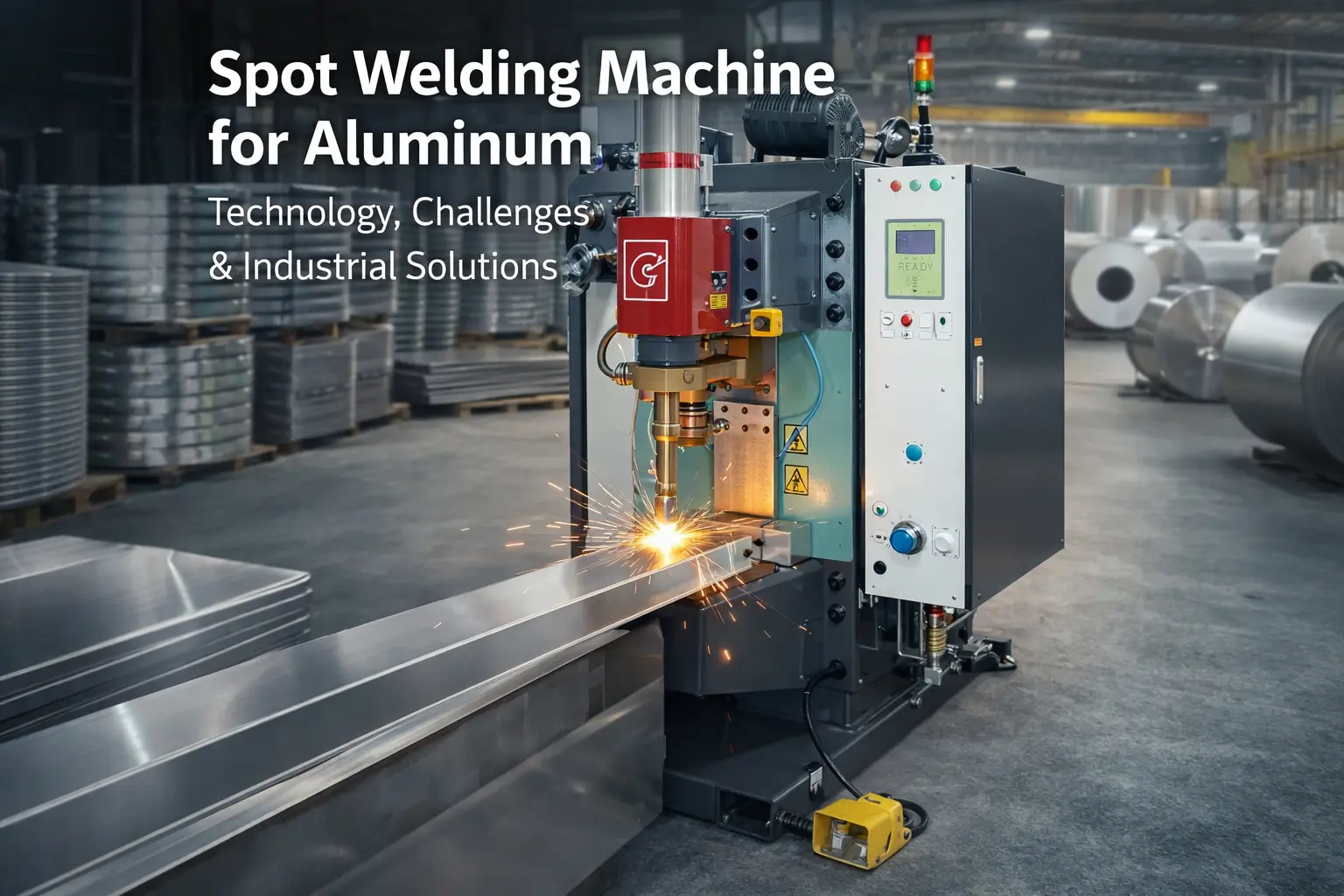
Spot welding aluminium has become a critical skill for manufacturers aiming to deliver lightweight, high-strength components efficiently. With industries like automotive, aerospace, and electronics increasingly relying on aluminium alloys, understanding the principles, challenges, and best practices of spot welding aluminium is essential for production engineers, OEMs, and automation specialists.
At Heron Welder, we specialize in providing state-of-the-art resistance welding machines, automated production solutions, and expert consultation for companies looking to optimize aluminium spot welding processes.
Understanding Spot Welding for Aluminium
Spot welding is a type of resistance welding where two metal sheets are joined by applying pressure and passing an electric current through the contact point. This generates localized heat, melting the metal at the joint to create a strong weld nugget.
Aluminium presents unique challenges for spot welding due to:
-
High thermal conductivity: Aluminium dissipates heat faster than steel, requiring higher current or longer weld times.
-
Oxide layer formation: Aluminium oxide is harder and has higher electrical resistance than the base metal, which can affect weld quality.
-
Softness and ductility: Aluminium alloys can deform easily under excessive pressure.
Successful spot welding of aluminium demands precise control over current, electrode force, and weld time, making modern resistance welding machines with MFDC (Medium Frequency Direct Current) or capacitor discharge capabilities ideal.
Applications of Aluminium Spot Welding
Aluminium spot welding is widely used across multiple industries:
Automotive Manufacturing
The automotive sector increasingly incorporates aluminium in body panels, chassis components, and battery housings to reduce weight and improve fuel efficiency. Spot welding offers:
-
Fast assembly for sheet metal structures.
-
Reliable joints for crash-resistant components.
-
Compatibility with robotic automation for high-volume production.
Aerospace Components
In aerospace, aluminium alloys are used in structural panels, brackets, and assemblies. Spot welding ensures:
-
Minimal distortion in lightweight structures.
-
Consistent quality for critical applications.
-
Integration with automated production lines for efficiency.
Electronics and Consumer Goods
Aluminium enclosures, heat sinks, and frames benefit from spot welding due to:
-
High precision for delicate parts.
-
Strong electrical and thermal connections.
-
Fast production cycles for consumer electronics.
Techniques and Best Practices for Spot Welding Aluminium
1. Electrode Selection and Maintenance
Electrode design is critical. Copper-based electrodes with high thermal and electrical conductivity are preferred. Maintaining a clean, correctly shaped electrode tip ensures consistent weld quality and reduces defects like spatter or sticking.
2. Pre-Weld Surface Preparation
Removing surface contaminants, oils, and oxides improves weld consistency. Mechanical brushing or chemical cleaning can prepare aluminium sheets for optimal contact.
3. Optimizing Welding Parameters
-
Current and time: Use MFDC or capacitor discharge welders for precise control.
-
Electrode force: Adjust pressure to avoid excessive indentation or burn-through.
-
Weld sequence: Multi-spot patterns can improve strength for larger assemblies.
4. Automation Integration
Robotic spot welding cells and automated production lines increase throughput and repeatability. Heron offers customized automation solutions with welding guns, controllers, and line integration for aluminium spot welding applications.
Comparing Spot Welding Aluminium to Steel
| Feature | Aluminium | Steel |
|---|---|---|
| Thermal Conductivity | High → faster heat loss | Lower → slower heat loss |
| Oxide Layer | Hard, high resistance | Minor, easier to clean |
| Electrode Wear | Faster | Slower |
| Weld Current | Higher required | Lower |
| Distortion Risk | Higher | Lower |
Understanding these differences helps engineers select appropriate machines and optimize processes. Heron’s advanced MFDC and capacitor discharge welders are engineered to handle these aluminium-specific challenges effectively.
Advantages of Using Heron Welding Solutions
Heron Welder has a global reputation for precision, reliability, and automation expertise. Our solutions for aluminium spot welding include:
-
MFDC Spot Welders: Precise current control for minimal distortion and high-quality welds.
-
Capacitor Discharge Welders: Ideal for thin sheets and delicate components.
-
Automated Production Lines: Robotic integration for consistent and high-volume production.
-
Advanced Welding Guns and Controllers: Customizable for various sheet thicknesses and alloys.
By partnering with Heron, manufacturers reduce downtime, improve weld quality, and accelerate production efficiency.
Common Challenges and How to Overcome Them
-
Electrode sticking or spatter: Use copper-chrome electrodes and clean regularly.
-
Insufficient weld strength: Adjust current, time, and electrode force; ensure surface preparation.
-
Sheet deformation: Reduce electrode pressure or optimize weld sequence.
Heron’s technical team works with clients to fine-tune settings and recommend machine upgrades or automation solutions tailored to specific aluminium welding applications.
FAQs About Spot Welding Aluminium
Q1: Can aluminium sheets of different thicknesses be spot welded together?
A1: Yes, but weld parameters must be adjusted to account for heat dissipation differences. Heron’s MFDC welders allow precise control for mixed-thickness assemblies.
Q2: What is the maximum aluminium thickness for spot welding?
A2: Typically, 0.5–3 mm for standard resistance spot welding. Thicker sheets may require multiple weld passes or specialized equipment.
Q3: How often should electrodes be replaced when spot welding aluminium?
A3: Electrode life varies with usage, sheet alloy, and thickness. Heron provides electrode maintenance schedules and replacement recommendations.
Q4: Is robotic spot welding suitable for aluminium?
A4: Absolutely. Robotics ensures repeatable quality, high throughput, and reduced operator fatigue. Heron offers turnkey robotic spot welding solutions.
Q5: Can spot welding aluminium be combined with other joining methods?
A5: Yes. Combining spot welding with clinching or self-pierce riveting can enhance joint strength in multi-material assemblies.
Conclusion
Spot welding aluminium is a critical capability for modern manufacturers seeking lightweight, durable, and efficient assemblies. Understanding the technical nuances from electrode design to current control and automation integration is essential for reliable production.
Heron Welder provides expert guidance, advanced machines, and customized automation solutions for aluminium spot welding, helping OEMs, manufacturers, and production engineers achieve optimal results.
Ready to optimize your aluminium spot welding process? Contact Heron today to request a quote or consult with our experts on tailored resistance welding and automation solutions.

 English
 Arabic
 Spanish
 Portuguese
 Deutsch
 Turkish
 Dutch
Dutch
 Italiano
 Russian
 Romaian
 Portuguese (Brazil)
 Greek
Greek