

10 Important Questions To Ask When Buying A House In Texas
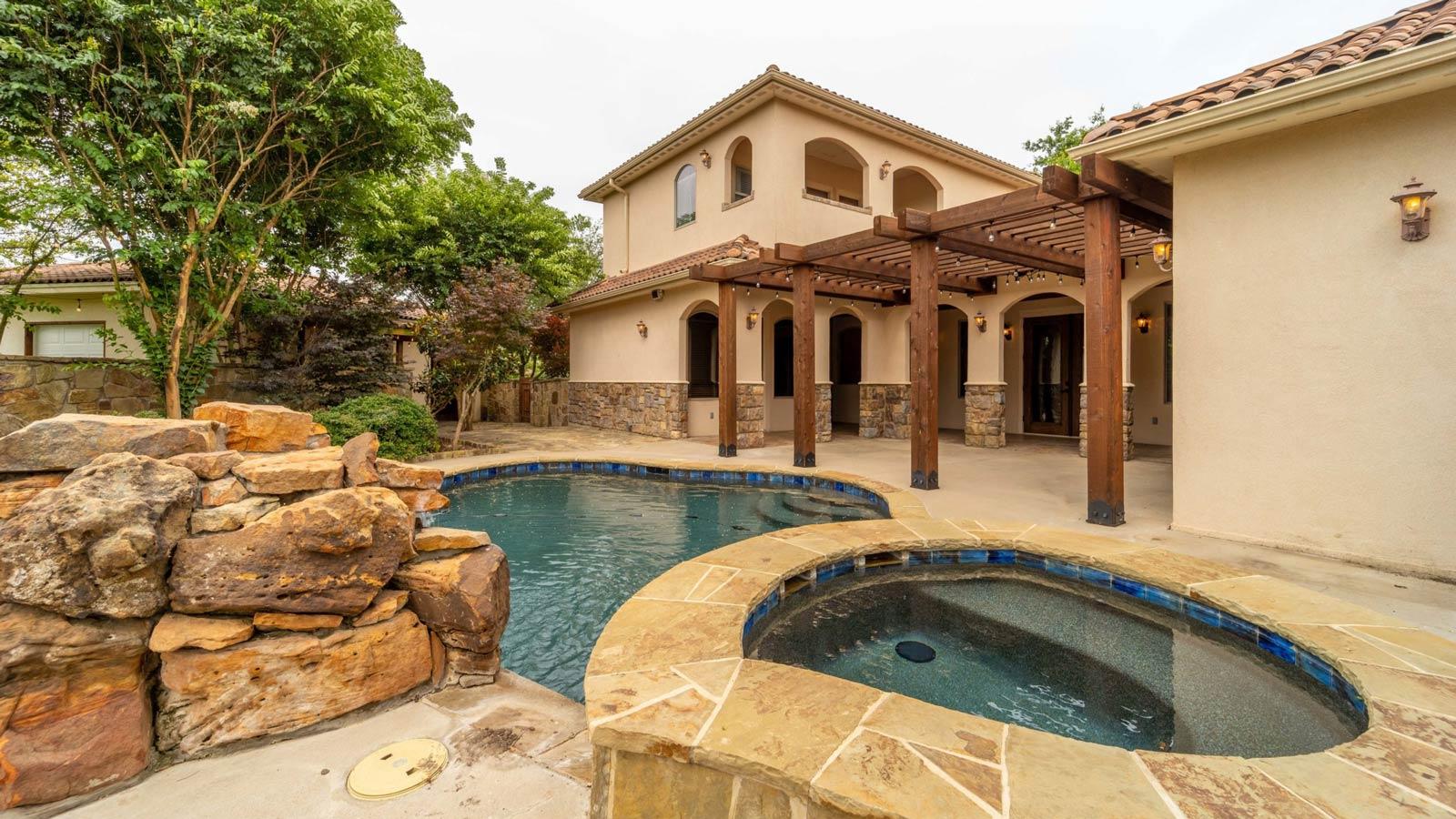
Buying a home is one of the biggest financial decisions you’ll ever make. If you’re planning to purchase property in Texas, it’s important to ask the right questions before signing any documents. The Texas housing market can be competitive, diverse, and sometimes complex depending on the city, neighborhood, and property type. Asking the right questions can help you avoid costly mistakes and make a confident investment.
Whether you’re a first-time buyer or an experienced investor, working with the best realtor for house buying in taxes can also help you navigate the process more smoothly. Along with professional guidance, knowing what to ask will empower you to make better decisions.
Below are 10 important questions you should ask when buying a house in Texas.
1. What Is the True Market Value of the Property?
The listing price of a home is not always the same as its true market value. Sellers may price a home higher due to demand or negotiation strategies.
Ask your agent to show comparable sales (comps) in the neighborhood. These are recently sold homes with similar size, features, and location. Understanding the market value will help you avoid overpaying and give you stronger negotiating power.
A knowledgeable professional like the best realtor for house buying in taxes can analyze market data and guide you toward a fair offer.
2. How Long Has the Property Been on the Market?
The number of days a home has been listed can reveal important information.
If a property has been sitting on the market for a long time, it could mean:
-
The price is too high
-
The home needs repairs
-
There are legal or structural concerns
On the other hand, newly listed homes in hot Texas markets may receive multiple offers quickly. Knowing the timeline helps you adjust your strategy when making an offer.
3. What Is Included in the Sale?
Not everything you see during a home tour automatically comes with the property.
Ask the seller or your agent what items are included, such as:
-
Appliances
-
Window treatments
-
Light fixtures
-
Outdoor structures like sheds or pergolas
Sometimes sellers remove items you expected to stay. Clarifying this early prevents misunderstandings before closing.
4. Are There Any Structural or Major Repair Issues?
A home inspection is essential when buying property in Texas. However, before reaching that stage, ask the seller if there are known issues.
Key concerns to investigate include:
-
Foundation problems (common in Texas soil conditions)
-
Roof condition
-
Plumbing or electrical issues
-
Termite or pest damage
Texas homes can experience foundation movement due to clay-rich soil. Make sure you ask detailed questions and review inspection reports carefully.
5. What Are the Property Taxes?
Texas does not have a state income tax, but property taxes can be relatively high compared to other states.
Ask questions such as:
-
What is the current annual property tax?
-
Has the tax amount increased recently?
-
Are there exemptions available (such as homestead exemptions)?
Your monthly mortgage payment could change significantly depending on property taxes. Understanding this cost early helps you budget properly.
6. Is the Home Located in a Flood Zone?
Certain areas in Texas, especially near coastal regions or rivers, may be located in flood zones.
Ask the following questions:
-
Is the home in a FEMA-designated flood zone?
-
Is flood insurance required?
-
Has the property experienced flooding in the past?
Flood insurance can add to your yearly housing costs. It’s important to know the risk level before committing to a purchase.
7. What Are the HOA Rules and Fees?
Many Texas neighborhoods, particularly in suburban developments, have Homeowners Associations (HOAs).
Before buying, ask:
-
What are the monthly or annual HOA fees?
-
What rules must homeowners follow?
-
Are there restrictions on renovations, rentals, or landscaping?
HOA fees can vary widely and may impact your long-term affordability. Additionally, strict rules may limit what you can do with your property.
8. What Is the Neighborhood Like?
The house itself is only part of the investment. The surrounding area plays a major role in your quality of life and property value.
Important factors to consider include:
-
School districts
-
Crime rates
-
Future development plans
-
Nearby amenities such as parks, hospitals, and shopping centers
Drive around the neighborhood at different times of the day. This helps you get a better sense of traffic, noise levels, and community activity.
9. What Are the Average Utility Costs?
Texas weather can be extreme, with hot summers and occasional winter storms. Utility costs may vary depending on the home’s size, insulation, and energy efficiency.
Ask the seller for estimates of:
-
Electricity bills
-
Water costs
-
Gas usage
-
Air conditioning expenses
Energy-efficient homes can save you thousands of dollars over time. Features such as double-pane windows, modern HVAC systems, and proper insulation are worth considering.
10. What Is the Long-Term Resale Potential?
Even if you plan to live in the home for many years, it’s important to consider resale value.
Ask questions such as:
-
Is the neighborhood growing or declining?
-
Are new schools or businesses planned nearby?
-
How quickly do homes sell in this area?
Texas cities like Austin, Dallas, and Houston have experienced rapid growth in recent years. A home in a developing area may increase significantly in value over time.
Working with the best realtor for house buying in taxes can help you identify properties with strong appreciation potential and long-term investment value.

 Arabic
 French
 Spanish
 Portuguese
 Deutsch
 Turkish
 Dutch
Dutch
 Italiano
 Russian
 Romaian
 Portuguese (Brazil)
 Greek
Greek