

How Solar Rebates in NSW Help Reduce Installation Costs
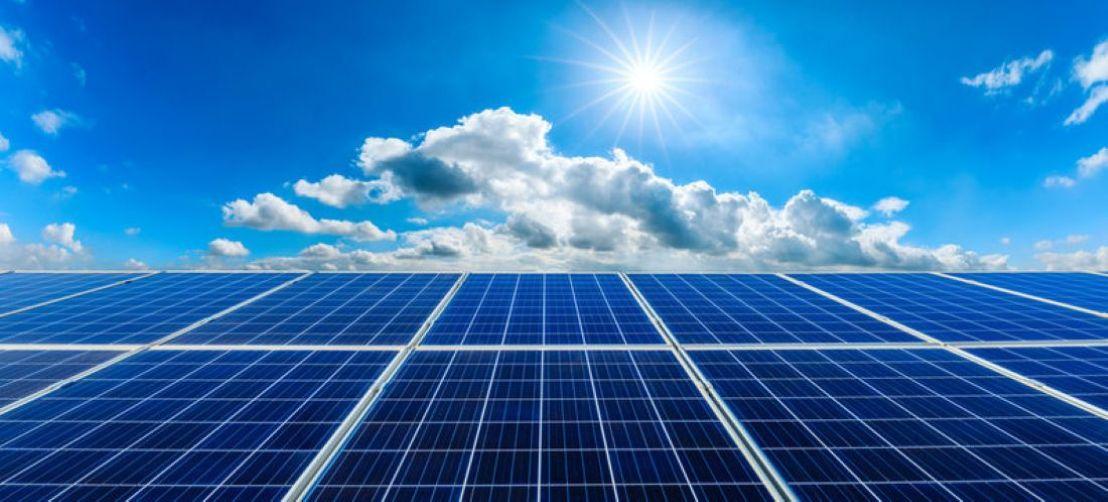
Solar energy has become one of the most effective and sustainable ways to reduce electricity costs and environmental impact. In New South Wales (NSW), Australia, the government offers several solar rebates and incentive programs designed to make solar power more affordable for homeowners and businesses. These rebates significantly lower the upfront cost of installing solar panels, encouraging more people to switch to renewable energy.
This article explains how solar rebates in NSW work, the types of incentives available, and how they help reduce the overall cost of solar installation.
Understanding Solar Rebates in NSW
Solar rebates in NSW are financial incentives provided through government-supported programs to encourage the adoption of solar energy systems. These rebates reduce the upfront installation costs of solar panels, making renewable energy more accessible.
Most solar incentives in NSW are part of national renewable energy programs. Instead of receiving cash directly, homeowners and businesses usually receive a discount on the installation cost, which installers apply when purchasing the system.
These programs aim to promote clean energy, reduce dependence on fossil fuels, and help Australia achieve long-term sustainability goals.
Small-scale Technology Certificates (STCs)
One of the most important incentives available in NSW is the Small-scale Renewable Energy Scheme (SRES). Under this program, homeowners and businesses installing solar systems receive Small-scale Technology Certificates (STCs).
STCs are essentially tradable certificates created when a solar energy system is installed. Solar installers calculate the number of certificates based on factors such as system size and location. These certificates are then sold on the market, and the value is applied as a discount on the solar installation cost.
For example, a typical residential solar system may generate dozens of STCs. The value of these certificates can reduce the installation price by thousands of dollars, making solar energy much more affordable.
Feed-in Tariffs in NSW
Another financial benefit for solar users in NSW is the feed-in tariff. While it is not a rebate for installation, it provides ongoing savings once the solar system is installed.
A feed-in tariff allows homeowners and businesses to earn credits for the excess electricity their solar system exports back to the grid. Energy retailers pay a small amount for each kilowatt-hour of electricity exported.
Although feed-in tariff rates vary depending on the energy provider, they help solar system owners recover installation costs faster by lowering overall electricity bills.
Benefits for Commercial Buildings
Solar rebates are not only beneficial for residential properties but also for commercial buildings and businesses. Companies often have higher energy consumption, which means installing solar panels can provide significant long-term savings.
For commercial installations, rebates and STC incentives can reduce the initial cost of large solar systems. Businesses that switch to solar energy may also benefit from lower operating costs, improved sustainability credentials, and long-term protection from rising electricity prices.
Many commercial properties such as warehouses, offices, shopping centers, and industrial facilities are ideal for solar installations because they have large roof spaces suitable for solar panels.
Lower Upfront Costs
One of the biggest barriers to solar adoption is the upfront installation cost. Solar rebates directly address this challenge by reducing the amount that customers need to pay initially.
For instance, a solar system that might cost several thousand dollars can become much more affordable once rebates and incentives are applied. This lower entry cost allows more households and businesses to invest in renewable energy.
Because of these rebates, solar systems in NSW often have shorter payback periods, meaning the savings on electricity bills can recover the investment in just a few years.
Long-Term Energy Savings
Beyond reducing installation costs, solar rebates also contribute to long-term financial benefits. Once a solar system is installed, it generates electricity from sunlight, which significantly reduces reliance on grid electricity.Over time, the savings from lower energy bills can add up to thousands of dollars. When combined with feed-in tariffs and rising electricity prices, solar energy becomes an even more valuable investment.
These savings make solar installations particularly attractive for both homeowners and businesses looking to control energy expenses.
Environmental Benefits
Solar rebates also support environmental sustainability by encouraging the use of clean and renewable energy sources. Solar power reduces greenhouse gas emissions and helps lower the carbon footprint of homes and commercial properties.
By promoting solar adoption through rebates, the NSW government contributes to a cleaner environment and helps move toward a more sustainable energy future.
How to Access Solar Rebates in NSW
To benefit from solar rebates in NSW, customers should follow a few simple steps:
- Choose a Clean Energy Council (CEC) accredited solar installer.
- Select a solar system suitable for your energy needs.
- The installer will calculate the available STC rebate and apply it as a discount.
- Complete the installation and begin generating solar power.
Working with a reputable installer ensures that the system meets government requirements and qualifies for available incentives.
Conclusion
Solar rebates in NSW play a crucial role in making renewable energy more affordable and accessible. Through programs such as Small-scale Technology Certificates (STCs) and feed-in tariffs, homeowners and businesses can significantly reduce the cost of installing solar panels.
These incentives lower upfront expenses, shorten the payback period, and provide long-term savings on electricity bills. As energy costs continue to rise, solar power combined with government rebates offers a smart and sustainable solution for reducing energy expenses while contributing to a greener future.

 English
 Arabic
 French
 Spanish
 Portuguese
 Deutsch
 Turkish
 Dutch
Dutch
 Italiano
 Russian
 Portuguese (Brazil)
 Greek
Greek