

The Evolution of Plastic Bottles in Modern Packaging
The Growing Importance of Plastic Packaging
The global packaging industry has undergone a remarkable transformation over the past few decades. Businesses today require packaging that is not only protective but also lightweight, visually appealing, and efficient for transportation and storage. As industries expanded and consumer demand increased, traditional packaging materials began to fall short of modern business needs.
Materials such as glass, metal, and wood were once the standard choices for packaging. While they offered durability, they also introduced several limitations, including heavy weight, fragility, and higher shipping costs. These drawbacks created a need for a more practical alternative that could support the growing demands of manufacturers and distributors.
This is where plastic packaging emerged as a revolutionary solution. Today, businesses rely heavily on plastic bottles, jars, and containers to safely package a wide range of products. A reliable plastic jar bottle supplier plays a crucial role in supporting industries by providing durable packaging options that protect products while maintaining their quality.
From food and beverages to pharmaceuticals, cosmetics, and household goods, modern plastic jar containers have become essential components of efficient packaging systems. Their versatility and durability allow businesses to maintain product safety while improving presentation and brand visibility.
The Early Days of Packaging Materials
Before the introduction of plastic packaging, manufacturers relied heavily on materials such as glass, metal tins, paper wraps, and wooden containers to store and transport products. These materials served industries for many years, but they also presented several operational challenges as businesses expanded.
Glass containers were widely used for beverages, food products, and pharmaceuticals because they preserved product purity. However, glass was extremely fragile and prone to breakage during transport. Metal tins offered durability but were often expensive and heavy, which increased shipping costs significantly.
Wooden crates and paper packaging were also common, especially for bulk storage. While they provided basic protection, they lacked the durability and sealing capabilities required to preserve sensitive products such as food items or medicinal goods.
As industries scaled and distribution networks expanded, these limitations became more noticeable. Businesses needed packaging that was lighter, safer to handle, and easier to transport across long distances.
The development of plastic packaging addressed many of these concerns. Modern plastic jar containers offered a practical solution that combined durability with lightweight construction. This innovation allowed manufacturers to package products more efficiently while reducing logistical challenges.
Plastic packaging quickly became a preferred option for companies seeking reliable storage and distribution solutions.
The Rise of Plastic Bottles in Industrial Packaging
The widespread adoption of plastic bottles began with the development of advanced plastic polymers and materials such as PET (Polyethylene Terephthalate). These materials introduced a new era of packaging that was lighter, stronger, and more adaptable than traditional alternatives.
Plastic bottles quickly gained popularity for several important reasons. First, they are lightweight, which significantly reduces transportation costs and makes handling easier during manufacturing and distribution. Second, they offer impressive durability, allowing products to travel long distances without damage.
Another key advantage of plastic packaging is its flexibility in design. Manufacturers can produce bottles and containers in various shapes, sizes, and styles to suit specific product requirements and branding strategies.
Several industries were among the first to adopt plastic bottles on a large scale. The beverage sector began using them extensively for water, juices, and soft drinks. Personal care brands followed by introducing plastic bottles for shampoos, lotions, and skincare products. Food manufacturers also adopted plastic containers for sauces, oils, and packaged ingredients.
In this growing market, a dependable plastic jar bottle supplier plays an important role in supporting large-scale manufacturing operations. By providing consistent supply and quality products, suppliers help businesses maintain efficient production and packaging workflows.
The availability of plastic jars wholesale has also allowed companies to scale their operations while maintaining cost efficiency.
PET Plastic: The Game-Changer for Modern Packaging
One of the most significant developments in modern packaging has been the introduction of PET plastic. PET, or Polyethylene Terephthalate, is a strong, lightweight plastic material widely used in the production of bottles, jars, and containers.
PET plastic has become a preferred packaging material due to its numerous advantages. One of its most notable qualities is durability. PET containers can withstand pressure and handling during shipping, making them ideal for both retail and industrial packaging.
Another key benefit is transparency. Many businesses prefer clear containers because they allow customers to see the product inside, which improves trust and enhances shelf appeal. Transparent packaging is especially popular for food items and beverages.
PET plastic is also known for being food-safe and recyclable. These qualities make it a practical option for industries that prioritize safety and environmental responsibility.
Today, PET is widely used to manufacture plastic juice bottles, beverage containers, food jars, and cosmetic packaging. Manufacturers design these containers with features such as airtight seals and secure caps to protect product freshness and prevent contamination.
Additionally, PET is commonly used in plastic jar containers designed for food storage, spices, snacks, and other packaged goods. The combination of strength, transparency, and recyclability makes PET one of the most valuable materials in modern packaging.
Expanding Applications of Plastic Bottles Across Industries
Plastic packaging is now used across a wide range of industries due to its adaptability and reliability. Businesses from different sectors rely on plastic containers to protect their products and improve presentation.
Food and Beverage Industry
The food and beverage industry is one of the largest users of plastic packaging. Companies use plastic juice bottles to package fruit juices, flavored drinks, and other beverages. These bottles are lightweight, durable, and easy to transport, making them ideal for large-scale distribution.
Plastic containers are also widely used for sauces, syrups, oils, and condiments. Airtight seals help maintain freshness and prevent contamination during storage and shipping.
Pharmaceutical Industry
In the pharmaceutical sector, packaging safety and hygiene are extremely important. Plastic bottles and containers are used to store tablets, capsules, syrups, and supplements.
These containers are designed to protect medicines from moisture, light, and external contamination. Pharmaceutical packaging often includes secure caps and tamper-resistant features to ensure product safety.
Cosmetics and Personal Care
Plastic packaging is also a popular choice in the cosmetics and personal care industry. Many companies use plastic bottles for shampoos, lotions, conditioners, and skincare products.
These bottles are lightweight and easy to customize, allowing brands to design packaging that aligns with their visual identity.
Retail and Household Storage
Retail businesses and consumers frequently use plastic jar containers for storing snacks, spices, pickles, and dry food items. These containers are also useful for organizing office supplies such as stationery, clips, and small accessories.
Their versatility makes them valuable for both commercial packaging and everyday household use.
Custom Packaging Solutions for Modern Brands
In today’s competitive marketplace, packaging is not just about protection—it is also a key element of brand identity. Companies want packaging that reflects their brand personality while maintaining functionality and durability.
Manufacturers now offer a wide range of customization options to meet these needs. Businesses can choose different bottle shapes, sizes, colors, and cap styles to create packaging that stands out on retail shelves.
Customization also allows brands to ensure compatibility with labels, printing, and branding elements. This helps create a consistent and recognizable product appearance.
Working with an experienced plastic jar bottle supplier enables companies to develop packaging solutions that match their product requirements and marketing goals.
Additionally, purchasing packaging through plastic jars wholesale channels ensures that businesses receive consistent quality and supply while supporting large-scale production demands.
Custom packaging plays a major role in helping brands differentiate themselves in crowded markets.
Benefits of Buying Plastic Bottles in Wholesale
Many businesses choose to purchase packaging in bulk to reduce operational costs and maintain consistent supply. Buying plastic jars wholesale offers several advantages for manufacturers, distributors, and growing brands.
One of the biggest benefits is cost efficiency. Bulk purchasing reduces the per-unit cost of packaging materials, allowing businesses to allocate resources more effectively.
Wholesale purchasing also ensures a steady supply of packaging materials, which is essential for maintaining uninterrupted production. This reliability is particularly important for companies with high manufacturing output.
Another advantage is scalability. As businesses grow, their packaging requirements increase. Wholesale supply chains allow companies to scale their operations without worrying about shortages or delays.
A dependable plastic jar bottle supplier supports wholesale purchasing by providing consistent product quality and timely deliveries.
By working with reliable suppliers, businesses can streamline their packaging operations and maintain efficient distribution systems.
Sustainability and the Future of Plastic Packaging
Sustainability has become a major focus in the packaging industry. As environmental awareness increases, manufacturers are working to improve the recyclability and eco-friendliness of plastic packaging.
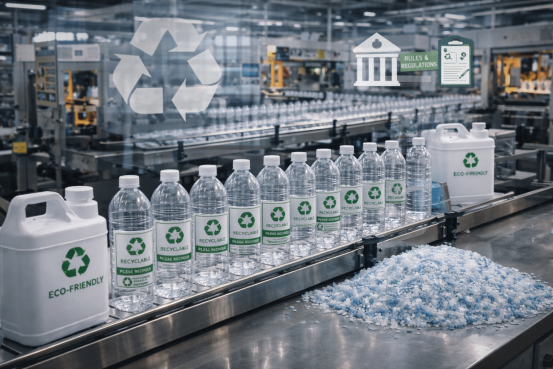
PET plastic plays a significant role in these sustainability efforts because it is highly recyclable. Many plastic juice bottles and containers are now designed to be collected, processed, and reused in new packaging products.
Manufacturers are also adopting improved production techniques that reduce material waste and energy consumption during the manufacturing process.
Innovations in recycling technology are helping companies create more environmentally responsible packaging solutions. These advancements are making it easier for businesses to reduce their environmental footprint while maintaining product safety.
In addition, manufacturers continue to develop improved plastic jar containers that are lighter, stronger, and more recyclable. These improvements ensure that plastic packaging remains a practical solution for modern industries.
Sustainability will continue to shape the future of packaging as businesses look for ways to balance efficiency with environmental responsibility.
Choosing the Right Plastic Bottles Supplier
Selecting the right supplier is one of the most important decisions a business can make when sourcing packaging materials. A reliable plastic jar bottle supplier ensures consistent product quality and supports long-term business growth.
Companies should evaluate several factors when choosing a supplier. Quality control standards are essential, as packaging must meet safety and durability requirements. A supplier with a wide product range can provide bottles, jars, and containers for multiple applications.
Customization capabilities are also valuable because they allow businesses to develop packaging that aligns with their branding strategy.
Reliable delivery timelines and competitive plastic jars wholesale pricing are equally important. Delays in packaging supply can disrupt production schedules and impact product availability in the market.
Working with a dependable supplier helps businesses maintain operational efficiency while delivering high-quality products to customers.
Conclusion: The Future of Modern Plastic Packaging
The evolution of plastic packaging has transformed the way industries store, protect, and distribute their products. From the limitations of glass and metal containers to the flexibility and efficiency of modern plastics, packaging technology has advanced significantly.
Today, plastic bottles, jars, and containers offer businesses durable, lightweight, and cost-effective solutions for a wide variety of products. Industries such as food, pharmaceuticals, cosmetics, and household goods rely heavily on plastic packaging to maintain product safety and quality.
As innovation continues, packaging manufacturers are developing more sustainable and customizable solutions to meet the evolving needs of businesses and consumers.
Working with a trusted plastic jar bottle supplier ensures that companies receive reliable packaging that supports their operations and brand growth.
With continuous improvements in design, manufacturing, and sustainability, plastic packaging will remain a vital component of modern product distribution for years to come.

 English
 Arabic
 French
 Spanish
 Portuguese
 Deutsch
 Turkish
 Italiano
 Russian
 Romaian
 Portuguese (Brazil)
 Greek
Greek