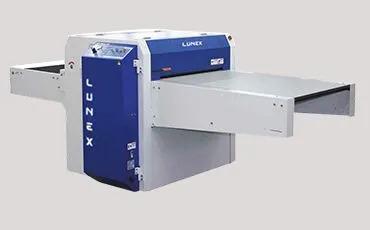
Garment manufacturing depends on precision. Every stitch, cut, and finish plays a role in how a piece of clothing looks and feels. Among the many machines used on the production floor, the fusing machine is one of the most important. It helps bond fabrics with interlining, giving garments structure and durability. The Lunex fusing machine has gained attention in the apparel industry for its reliability and consistent performance.
For many manufacturers, especially those working with formal wear, shirts, jackets, and uniforms, a dependable fusing machine can make a noticeable difference in production quality. The Lunex system is designed to support this need by offering controlled heat, pressure, and timing, which are the key factors required for strong and uniform bonding.
Understanding Fabric Fusing in Apparel Manufacturing
Before looking closely at the Lunex machine itself, it helps to understand what fabric fusing means in garment production. Fusing is the process of bonding a layer of interlining to the main fabric using heat and pressure. Interlining provides structure to parts of garments that need support, including collars, cuffs, waistbands, plackets, and lapels.
Without proper fusing, these areas can lose shape after repeated use or washing. A well-fused garment maintains its appearance longer and feels more polished when worn. In large factories where thousands of garments move through the production line each day, fusing machines ensure that every piece meets the same quality standard.
Manual fusing methods once required a lot of labor and attention. Modern machines simplify the process, allowing manufacturers to handle high volumes while maintaining consistent results.
What Makes the Lunex Fusing Machine Stand Out
The Lunex fusing machine is known for combining stable temperature control with reliable conveyor movement. This combination allows fabrics and interlining materials to bond evenly without scorching or weak adhesion.
One of the main strengths of the machine is its precise heat regulation. Different fabrics require different temperatures. Cotton, polyester blends, and delicate materials respond differently to heat. The Lunex system allows operators to adjust settings according to fabric type, ensuring optimal bonding without damaging the material.
Another advantage is the even pressure distribution across the conveyor belt. Uneven pressure can cause bubbles, wrinkles, or partial bonding. Lunex machines are designed to maintain consistent pressure throughout the fusing process, which helps create a clean and professional finish.
Many production managers appreciate how the machine balances performance with simplicity. Operators can quickly learn how to set the machine and monitor the fusing process without complicated adjustments.
How the Machine Works on the Production Floor
In a typical garment factory, the Lunex fusing machine becomes part of a continuous workflow. Fabric pieces that require interlining are prepared beforehand. The operator places the main fabric and the adhesive interlining together before feeding them into the machine.
Once inside, the materials pass through heated plates or rollers while the conveyor belt moves them at a controlled speed. During this stage, heat activates the adhesive on the interlining, and pressure ensures it bonds smoothly with the fabric.
The time spent inside the machine is carefully controlled. Too little time can lead to weak adhesion, while too much exposure to heat may affect the fabric’s texture. The Lunex system allows operators to adjust conveyor speed to achieve the right balance.
After passing through the machine, the fused pieces are allowed to cool slightly before moving to the next stage of production, such as stitching or finishing.
Efficiency and Consistency in Large-Scale Manufacturing
Consistency is one of the biggest challenges in garment manufacturing. When multiple operators handle different steps in production, maintaining uniform quality across thousands of garments can be difficult.
A machine like Lunex helps solve this problem by standardizing the fusing process. Once the correct settings are established, the machine performs the same task repeatedly without variation.
This reliability supports faster production lines. Workers can focus on preparing and feeding materials while the machine handles the bonding process. Over time, this improves workflow efficiency and reduces the chances of defective garments.
Manufacturers also benefit from lower material waste. When interlining bonds correctly on the first attempt, fewer pieces need to be reworked or discarded.
Fabric Compatibility and Flexibility
Apparel production often involves a wide range of fabrics, from lightweight shirts to heavier outerwear materials. A versatile fusing machine must handle these variations without compromising quality.
Lunex machines are built to work with different fabric types and interlining materials. Operators can adjust temperature, pressure, and conveyor speed based on the garment design. This flexibility allows the same machine to support multiple product lines.
For factories producing shirts one day and structured jackets the next, this adaptability helps maintain smooth operations without switching equipment.
It also allows manufacturers to experiment with new materials and garment styles while keeping the same core machinery in place.
Maintenance and Long-Term Performance
Like any industrial equipment, a fusing machine requires regular care to maintain performance. The Lunex system is designed with accessible components that make routine maintenance easier.
Cleaning the conveyor belt and heating plates helps prevent adhesive buildup, which can affect bonding quality. Regular inspections also ensure that pressure systems and temperature controls remain accurate.
Many factories schedule simple daily checks and periodic servicing to keep the machine running smoothly. With proper maintenance, these machines can operate for years while maintaining reliable results.
This durability makes them a practical investment for garment manufacturers looking to maintain consistent production standards.
Why Fusing Machines Remain Essential in Apparel Production
Garment manufacturing continues to evolve with new materials, automation technologies, and digital design tools. Yet the core need for strong and consistent garment structure remains unchanged.
Fusing machines remain a key part of this process. They ensure that garments not only look good when first produced but also retain their shape after repeated use.
The Lunex fusing machine fits naturally into this role. Its focus on stability, adaptability, and efficient workflow supports both small production units and large garment factories.
As apparel manufacturing becomes more competitive, equipment that delivers reliable results without unnecessary complexity becomes increasingly valuable.
Final Thoughts
Behind every well-structured shirt collar or sharply shaped jacket lapel lies a precise manufacturing step that most consumers never notice. Fusing plays a quiet but essential role in garment quality.
Machines like the Lunex fusing system help manufacturers achieve this precision day after day. By combining controlled heat, steady pressure, and efficient operation, they contribute to garments that maintain their form and appearance over time.
For apparel producers aiming to balance speed, quality, and consistency, a dependable fusing machine is not just another piece of equipment. It becomes an integral part of the production process, supporting the craftsmanship that defines well-made clothing.



 English
 Arabic
 French
 Spanish
 Portuguese
 Deutsch
 Turkish
 Italiano
 Russian
 Romaian
 Portuguese (Brazil)
 Greek
Greek