The apparel industry moves quickly. Consumer tastes shift, supply chains evolve, and new technologies constantly reshape how clothing is designed, produced, and sold. Apparel industry articles help readers make sense of these changes. They highlight what is happening behind the scenes of fashion brands, manufacturing hubs, retail platforms, and consumer behavior.
Whether someone works in fashion, retail, manufacturing, or market research, these articles provide context that helps explain where the industry is heading. They go beyond seasonal trends and focus on how businesses adapt to economic pressures, sustainability demands, and digital transformation.
Why Apparel Industry Articles Matter
The global clothing sector connects designers, textile producers, manufacturers, retailers, and millions of consumers. A single trend or supply disruption can affect every part of this chain. Apparel industry articles often examine these links and explain how one development can ripple across the entire market.
Professionals rely on such insights to track shifts in sourcing, pricing strategies, and retail models. When cotton prices fluctuate or consumer spending slows, apparel companies need to respond quickly. Articles that explore these developments help decision makers stay informed without having to sift through large datasets or complex reports.
Readers outside the industry also gain a clearer view of how fashion operates as a global business. Behind every garment on a store shelf lies a network of factories, logistics providers, designers, and marketing teams working together.
Changing Consumer Preferences
One of the most common themes in apparel industry coverage is how consumer expectations continue to evolve. Fashion used to revolve mainly around seasonal collections and brand identity. Today, shoppers also think about sustainability, comfort, personalization, and convenience.
Casualwear and athleisure have gained traction as lifestyles become more flexible. Remote work, travel, and hybrid routines influence clothing choices. Consumers now expect garments that balance style with functionality.
Online shopping has also reshaped how people interact with fashion brands. Social media, influencer culture, and digital advertising play a large role in shaping purchase decisions. Apparel industry articles often explore how brands use data analytics and digital marketing to understand customer behavior and adjust product offerings.
The Rise of Sustainable Fashion
Environmental concerns have become a major focus within the apparel sector. Clothing production involves significant water use, chemical processing, and energy consumption. Growing awareness of these impacts has pushed companies to rethink materials, production methods, and waste management.
Many apparel industry articles now discuss sustainable fabrics, circular fashion models, and recycling initiatives. Brands are experimenting with organic cotton, recycled polyester, and plant-based fibers to reduce environmental footprints.
Consumers are also asking more questions about transparency. They want to know where garments are made, how workers are treated, and whether production processes meet ethical standards. This demand has encouraged companies to provide clearer information about sourcing and manufacturing practices.
The shift toward sustainability is gradual, but it continues to shape product development and brand messaging across the fashion landscape.
Technology Reshaping the Apparel Sector
Digital tools have quietly transformed several stages of the apparel value chain. From design to retail, technology now influences how products move from concept to customer.
Design teams increasingly use digital modeling software to visualize garments before producing physical samples. This approach reduces material waste and speeds up product development cycles.
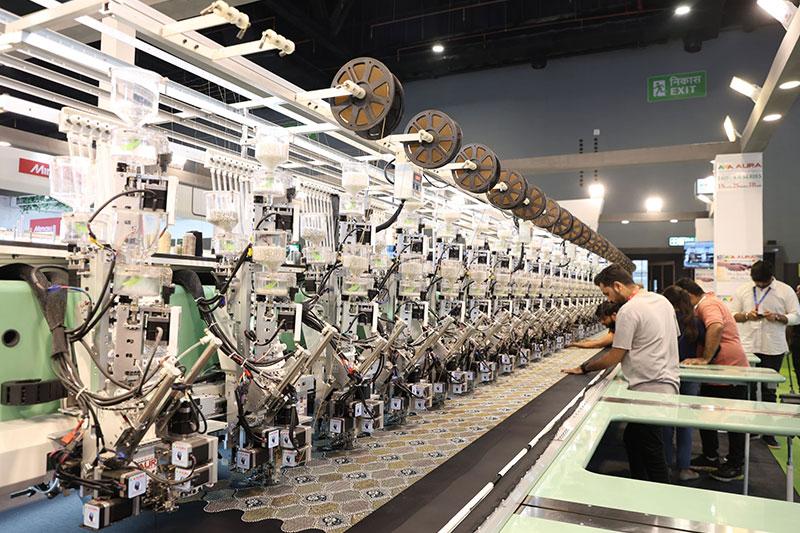
Manufacturers are adopting automated cutting systems and smart factory technologies to improve efficiency. These tools help manage large production volumes while maintaining consistent quality.
Retailers are also experimenting with virtual fitting rooms, augmented reality shopping experiences, and AI-driven recommendations. Apparel industry articles frequently highlight how these technologies aim to reduce return rates and enhance customer satisfaction.
The result is an industry where creativity and technology increasingly work side by side.
Supply Chains Under Pressure
Global supply chains have become a central topic in discussions about the apparel industry. Clothing production typically involves multiple countries, from raw material sourcing to final assembly and distribution.
When disruptions occur, brands often face delays, cost increases, or inventory shortages. Apparel industry articles commonly examine how companies diversify suppliers or relocate production to reduce risk.
Many fashion brands now balance cost efficiency with resilience. Instead of relying on a single manufacturing hub, they explore regional sourcing strategies that bring production closer to consumer markets.
This approach can shorten delivery times and provide greater flexibility when demand shifts unexpectedly.
The Growth of E-Commerce and Direct-to-Consumer Brands
Retail models in the apparel industry have changed significantly over the past decade. Traditional department stores and multi-brand retailers still play a role, but online platforms now dominate many purchasing journeys.
Direct-to-consumer brands have emerged as strong competitors. These companies sell primarily through their own websites, allowing them to control branding, pricing, and customer relationships.
Apparel industry articles often explore how these brands build loyal communities through storytelling, social media engagement, and personalized experiences. Instead of relying heavily on physical stores, they focus on digital presence and targeted marketing.
Established fashion companies are responding by strengthening their own e-commerce channels and investing in omnichannel strategies that combine online and offline shopping experiences.
Regional Manufacturing and Emerging Markets
Another topic frequently covered in apparel industry discussions is the rise of new manufacturing regions. Countries across South Asia, Southeast Asia, and parts of Africa continue to expand their role in garment production.
These regions offer growing labor pools and increasing investment in textile infrastructure. Apparel industry articles often examine how shifts in trade policies, labor costs, and logistics influence where clothing is manufactured.
Emerging consumer markets are also gaining attention. Rising urban populations and expanding middle classes create new demand for fashion products. Brands entering these markets often adapt designs, pricing strategies, and marketing campaigns to match local preferences.
This global expansion highlights how the apparel industry continues to evolve beyond its traditional centers.
The Role of Data and Market Insights
Fashion decisions once relied heavily on intuition and trend forecasting. Today, data plays a larger role in shaping product strategies and inventory planning.
Retailers track online browsing behavior, purchase history, and social media engagement to understand what customers want. Apparel industry articles frequently explore how companies use these insights to refine product assortments and manage stock levels more efficiently.
Better data analysis also helps brands respond quickly to emerging trends. When a style gains traction online, production teams can adjust output faster than in the past.
This combination of analytics and creativity is becoming a defining characteristic of modern fashion businesses.
Looking Ahead
The apparel industry rarely stands still. Consumer expectations evolve, technology advances, and global trade conditions continue to shift. Apparel industry articles provide a window into these developments, helping readers understand the forces shaping fashion today.
From sustainability initiatives and digital innovation to changing retail models and supply chain strategies, the sector continues to adapt to a complex environment. Businesses that stay informed and flexible tend to navigate these changes more effectively.
For professionals, students, and fashion enthusiasts alike, reading thoughtful coverage of the apparel sector offers valuable perspective on how clothing moves from concept to closet in an increasingly interconnected world.



 English
 Arabic
 French
 Spanish
 Portuguese
 Deutsch
 Turkish
 Dutch
Dutch
 Italiano
 Russian
 Portuguese (Brazil)
 Greek
Greek