

Image Sensors Market Is Anticipated to Witness Growth Owing to Automotive Demand
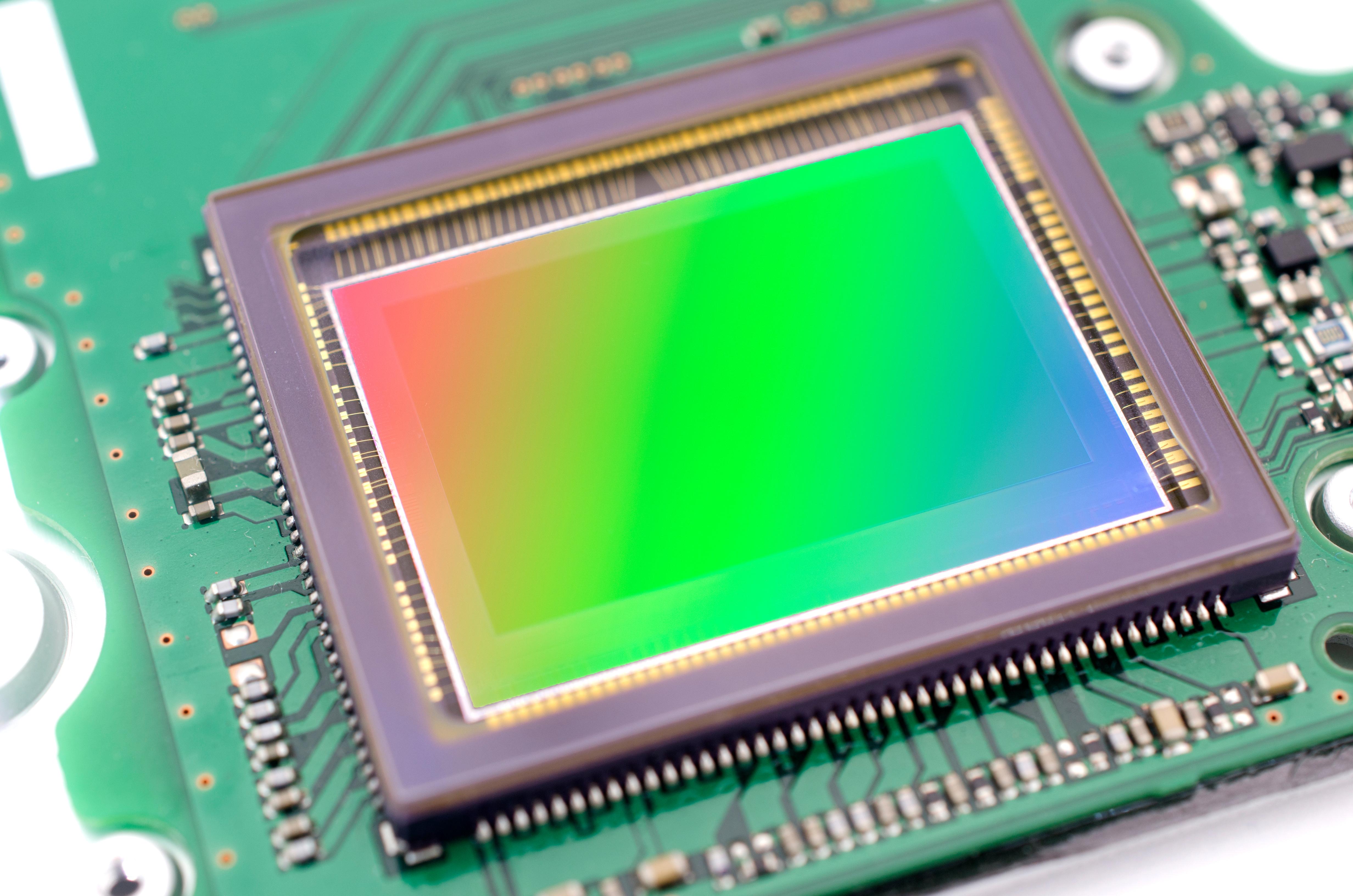
Image sensors convert light into electrical signals to capture high-quality images and videos in devices ranging from smartphones and digital cameras to advanced medical imaging systems and automotive safety equipment. Utilizing CMOS and CCD technologies, these tiny semiconductor components offer advantages such as low power consumption, high resolution, rapid frame rates and robust performance in low-light conditions. The need for compact, cost-effective imaging solutions has driven their adoption in applications like driver assistance systems, biometric authentication, industrial inspection and smart home devices. As businesses pursue enhanced market growth strategies, innovations in sensor fusion, on-chip processing and miniaturization are enabling new use cases in robotics, augmented reality and IoT deployments.
Key Takeaways
Key players operating in the Image Sensors Market are Sony Group Corporation, Samsung Electronics Co. Ltd, OmniVision Technologies, Inc., STMicroelectronics NV, and Canon Inc.
Improved noise reduction and dynamic range expansion address evolving market challenges, Image Sensors Market while partnerships between semiconductor foundries and technology companies foster rapid product development. With rising demand for real-time image analytics and stringent regulatory standards in the automotive sector, image sensors have become vital to ensuring safety, reliability and performance.
These market players dominate industry share through continuous investments in research and development, leveraging sophisticated fabrication processes and advanced packaging technologies. Sony leads the market companies landscape with its high-performance CMOS sensors widely used in professional photography and broadcast cameras. Samsung Electronics combines vast semiconductor manufacturing capabilities with a broad portfolio of sensors for consumer electronics, reinforcing its leadership in smartphones and wearable devices.
OmniVision Technologies focuses on low-power, high-resolution sensors tailored for automotive imaging and security applications, contributing to market revenue and business growth. STMicroelectronics NV integrates MEMS and imaging technologies to serve automotive safety and industrial inspection segments, while Canon Inc. specializes in custom sensor solutions for medical and professional imaging. Collectively, these market players shape market dynamics by forming strategic alliances, pursuing mergers and acquisitions, and expanding their global footprint.
Emerging market opportunities in the Image Sensors Market are fueled by the rising demand for advanced driver assistance systems (ADAS), the proliferation of smart home and IoT devices, and the growth of wearable technology. In the automotive sector, high-resolution sensors are critical for object detection, collision avoidance and autonomous driving, offering significant market opportunities. The smartphone segment continues to push market trends toward multi-camera arrays and AI-powered image processing, enabling new user experiences and enhanced social media engagement.
In healthcare, image sensors facilitate minimally invasive diagnostics, endoscopy and surgical imaging, opening lucrative opportunities in medical device manufacturing. Agricultural drones and environmental monitoring tools deploy image sensors for crop analysis and wildlife tracking, highlighting untapped market segments. Investment in edge analytics and AI integration will create further market opportunities by enabling on-device processing and reduced latency, enhancing the overall market forecast.
Global expansion of the Image Sensors Market is underway, driven by investments and supportive market dynamics across key regions. North America’s robust R&D infrastructure and strong demand from automotive OEMs underpin its leading position in market research and development. Europe benefits from stringent safety and environmental regulations, stimulating adoption in industrial automation and smart manufacturing.
The Asia Pacific region is poised for rapid growth, with fast-growing consumer electronics sectors in China, India and Japan, backed by government initiatives for smart cities and digital transformation. Latin America and the Middle East are emerging growth corridors, fueled by infrastructure modernization and security needs. Market insights underscore the importance of local partnerships, tailored product portfolios and regional manufacturing to navigate regulatory frameworks and cultural preferences, ensuring successful global expansion.
Market Drivers
One of the primary market drivers for the Image Sensors Market is the surging demand for advanced driver assistance systems (ADAS) in the automotive sector. As automakers accelerate the deployment of semi-autonomous and fully autonomous vehicles, the reliance on high-resolution image sensors for object recognition, lane departure warnings and pedestrian detection has intensified. These sensors enable real-time processing of visual data, providing critical inputs to safety systems and contributing to reduced accident rates.
According to market research, the integration of image sensors into ADAS modules is projected to account for a substantial portion of industry revenue growth. Moreover, the convergence of image sensors with artificial intelligence and machine learning algorithms is enhancing the accuracy of decision-making systems in vehicles, opening avenues for market growth strategies focused on sensor fusion and edge analytics. The automotive segment’s market share is expected to expand consistently, driven by regulatory mandates and increasing consumer demand for advanced safety features. Consequently, the development of cost-effective, miniaturized image sensors with improved low-light performance remains a key focus area for market players, ensuring sustained business growth and Industry 4.0 compliance across the value chain.
Market Restraint
A significant market restraint for the Image Sensors Market is the high initial investment and complexity associated with semiconductor fabrication and advanced packaging technologies. Developing cutting-edge CMOS and CCD image sensors requires substantial capital expenditure for equipment, cleanroom facilities and skilled workforce. In addition, the intricate manufacturing processes—such as photolithography, wafer inspection and sensor calibration—elevate production costs and lengthen time-to-market.
These factors pose market challenges for new entrants and hinder scalability for small to mid-sized companies aiming to capture market opportunities. Furthermore, the cyclical nature of semiconductor demand, coupled with fluctuations in raw material prices, introduces supply chain uncertainties that impact market forecasting and revenue stability. End users in price-sensitive segments, like consumer electronics and low-cost IoT devices, may opt for alternative sensing technologies or lower resolution modules to manage budget constraints, constraining broader market growth. Addressing these market restraints requires manufacturers to invest in process optimization, lean production methodologies and strategic partnerships to share technological resources, thereby mitigating cost pressures and ensuring long-term profitability.
Segment Analysis
The application segment of the image sensors market is split into consumer electronics, automotive, healthcare, and industrial verticals. Among these, the consumer electronics segment dominates, driven largely by the smartphone sub-segment. Smartphone imaging sensors account for the largest market share thanks to surging demand for high-resolution cameras, multi-lens modules, and advanced features like optical image stabilization and AI-powered scene detection. Leading market players such as Sony Group Corporation and Samsung Electronics Co. Ltd. have pursued aggressive market growth strategies, introducing stacked CMOS designs that deliver superior low-light performance and reduced power consumption.
This sub-segment benefits from favorable market dynamics including miniaturization, rising social media usage, and evolving content creation trends. Market research indicates that these drivers far outweigh market challenges such as cost pressures and stringent power budgets. In addition, market opportunities are emerging in foldable and 5G-enabled devices, where sensor form-factor adaptability becomes critical. OEMs and component suppliers are leveraging these opportunities through collaborative R&D and strategic partnerships, reinforcing the consumer electronics segment’s leading position in the overall image sensors market.
Global Analysis
Regionally, North America leads in market share, buoyed by strong automotive imaging demand, advanced medical imaging applications, and robust defense contracts. The U.S. benefits from substantial R&D investments by industry giants and startups alike, fostering innovation in LiDAR-compatible sensors and vehicle-to-everything (V2X) vision systems. Meanwhile, Asia Pacific is emerging as the fastest-growing region, propelled by rapid smartphone penetration in China and India, expanding industrial automation in Southeast Asia, and government initiatives supporting smart city deployments.
Major foundries and fabless companies in Taiwan and South Korea are accelerating production capacity, meeting escalating market demand. Market insights reveal that EMEA (Europe, Middle East, and Africa) holds a stable share as well, driven by stringent automotive safety regulations and growing surveillance infrastructure across GCC nations. Overall, regional market trends highlight a balance of established demand in North America and dynamic growth opportunities in Asia Pacific, fueled by diverse application areas and evolving market drivers.
‣ Get More Insights On: Image Sensors Market
‣ Get this Report in Japanese Language: イメージセンサー市場
‣ Get this Report in Korean Language: 이미지센서시장
Author Bio:
Money Singh is a seasoned content writer with over four years of experience in the market research sector. Her expertise spans various industries, including food and beverages, biotechnology, chemical and materials, defense and aerospace, consumer goods, etc.

 English
 Arabic
 French
 Spanish
 Portuguese
 Deutsch
 Turkish
 Dutch
Dutch
 Italiano
 Russian
 Romaian
 Greek
Greek