

Understanding Flow Measurement Devices for Precision, Efficiency, and Process Control
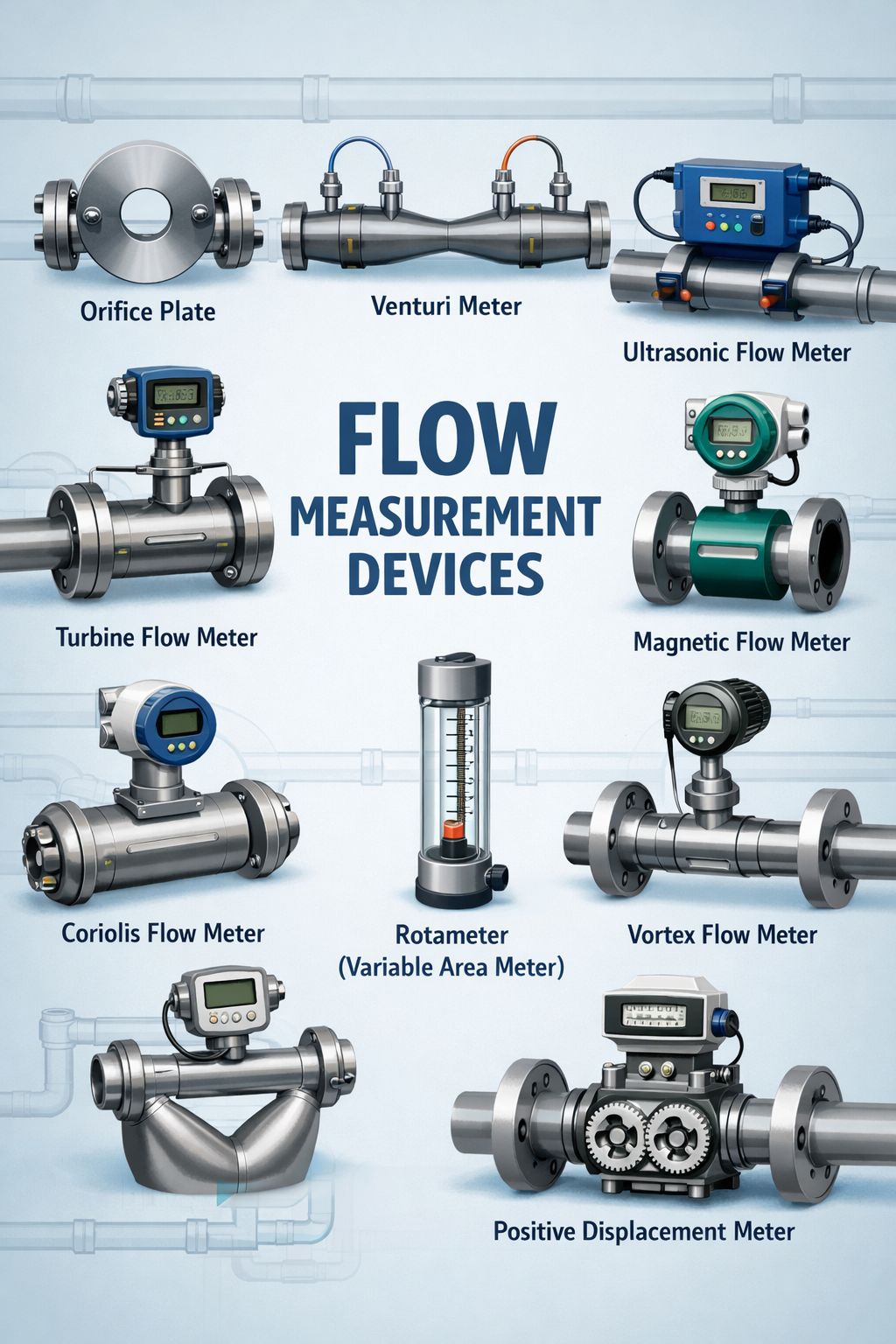
Accurate flow measurement is a cornerstone of efficient industrial operations. Whether managing liquids, gases, or steam, industries rely on precise data to ensure optimal performance, safety, and compliance. Flow Measurement Devices are essential tools that provide this accuracy, enabling industries to monitor, control, and optimize their processes effectively.
Understanding Flow Measurement Devices
Flow measurement devices are instruments designed to quantify the movement of fluids within pipelines or systems. These devices help determine flow rate, volume, and sometimes mass, depending on the technology used.
They are widely used in industries such as manufacturing, oil and gas, water management, and energy production. The data generated by these instruments allows operators to maintain consistent output, reduce waste, and ensure system stability. Businesses investing in Flow Measurement Devices benefit from improved operational visibility and better decision making.
Importance of Accurate Flow Measurement
Accurate flow measurement directly impacts product quality, operational efficiency, and regulatory compliance. Even small inaccuracies in flow data can lead to material loss, inconsistent production, or safety risks.
For example, in chemical processing, precise flow measurement ensures correct mixing ratios. In water treatment, it helps maintain proper distribution and dosing. In energy sectors, it supports efficient fuel usage and system performance.
Organizations that implement reliable Flow Measurement Devices can achieve consistent results while minimizing operational risks and inefficiencies.
Types of Flow Measurement Technologies
Flow measurement devices are available in various technologies, each designed for specific applications and fluid types.
Differential pressure devices measure flow by calculating pressure drop across a restriction. These are commonly used in pipelines where reliability is critical.
Electromagnetic devices are suitable for conductive liquids and provide highly accurate readings without obstructing flow.
Ultrasonic devices use sound waves to measure flow and are ideal for non invasive applications.
Mass flow devices measure the mass of fluids directly, offering high precision in industries that require accurate material tracking.
Understanding these technologies helps industries select the most suitable Flow Measurement Devices for their specific needs and operational conditions.
Key Benefits of Flow Measurement Devices
Flow measurement devices offer multiple advantages that enhance industrial performance. One of the primary benefits is improved efficiency. Accurate flow data allows operators to optimize resource usage, reducing waste and operational costs.
Another advantage is process control. Real time monitoring enables quick adjustments, ensuring systems operate within desired parameters. This leads to consistent product quality and reduced downtime.
These devices also support compliance with industry standards and environmental regulations by providing reliable data for reporting and auditing. Companies utilizing Flow Measurement Devices can maintain transparency and accountability in their operations.
Applications Across Industries
Flow measurement devices are integral to a wide range of industries. In the oil and gas sector, they monitor the flow of crude oil, natural gas, and refined products. In water and wastewater management, they help regulate distribution and treatment processes.
In manufacturing, they ensure precise control over production processes, while in the food and beverage industry, they maintain consistency in liquid handling and processing.
The versatility of Flow Measurement Devices makes them indispensable for industries that depend on accurate fluid management for their operations.
Factors to Consider When Choosing Flow Measurement Devices
Selecting the right flow measurement device requires careful evaluation of several factors. Fluid characteristics such as viscosity, conductivity, and temperature play a crucial role in determining the appropriate technology.
Flow range and accuracy requirements must also be considered. Some applications demand high precision, while others prioritize durability and cost effectiveness.
Installation conditions, including pipe size and environmental factors, can impact performance. Maintenance requirements and long term reliability should also be evaluated to ensure consistent operation.
Businesses exploring Flow Measurement Devices should focus on solutions that align with both current operational needs and future scalability.
To explore reliable solutions tailored for industrial applications, the Flow Measurement Devices can help identify systems designed for accuracy and efficiency.
Advancements in Flow Measurement Technology
Technological advancements have significantly improved the capabilities of flow measurement devices. Modern systems now include digital interfaces, remote monitoring, and integration with automation platforms.
Smart sensors and data analytics enable predictive maintenance, reducing downtime and enhancing system reliability. These innovations allow industries to optimize performance while maintaining high levels of accuracy and efficiency.
Organizations adopting advanced Flow Measurement Devices can gain a competitive advantage by leveraging real time insights and data driven decision making.
For industries seeking modern instrumentation solutions, the Flow Measurement Devices provide insights into advanced technologies that enhance operational performance.
Best Practices for Installation and Maintenance
Proper installation is essential for accurate flow measurement. Ensuring correct placement, adequate pipe length, and minimal turbulence can significantly improve performance.
Regular maintenance and calibration are equally important. Periodic checks help identify potential issues early and maintain measurement accuracy over time.
Training personnel to understand device operation and data interpretation further enhances the effectiveness of these systems. Companies investing in Flow Measurement Devices should prioritize both installation and maintenance to achieve optimal results.
Conclusion
Flow measurement devices are vital for achieving precision, efficiency, and control in industrial operations. By selecting the right technology and maintaining proper installation and calibration, industries can ensure reliable performance and consistent output.
For organizations seeking advanced and dependable solutions, Toshniwal offers a comprehensive range of Flow Measurement Devices designed to meet diverse industrial requirements. To learn more about innovative instrumentation solutions, visit Flow Measurement Devices.

 Arabic
 French
 Spanish
 Portuguese
 Deutsch
 Turkish
 Dutch
Dutch
 Italiano
 Russian
 Romaian
 Portuguese (Brazil)
 Greek
Greek