

How Fenbendazole Helps Treat Worms in Cats?
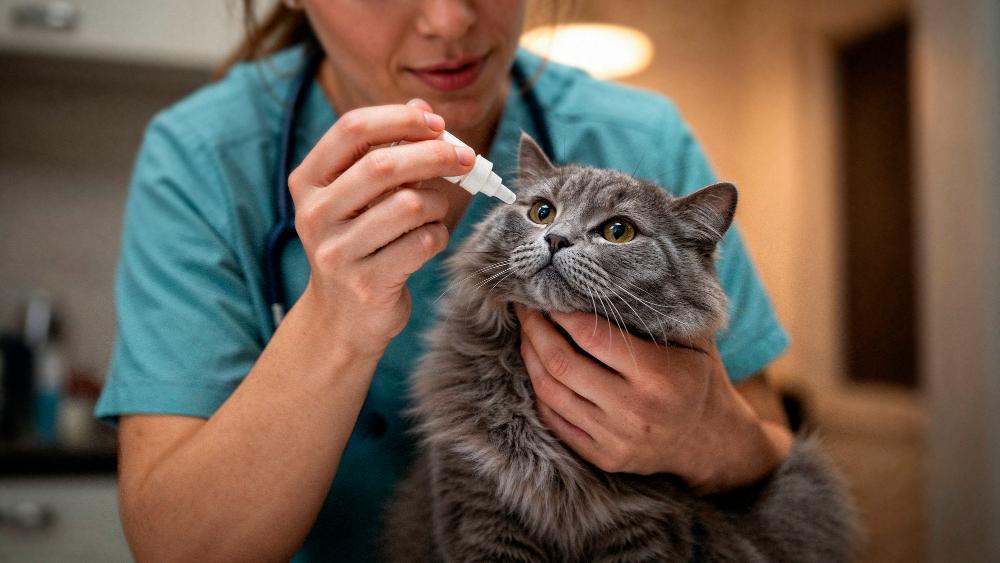
Buy Fenbendazole is a widely used deworming medication that helps treat various intestinal parasites in cats. Worm infections are quite common, especially in outdoor cats or kittens, and they can affect a cat’s overall health if not treated on time. Fenbendazole is known for its effectiveness, safety, and broad-spectrum action against different types of worms.
Common Worms in Cats
Cats can be affected by several types of intestinal parasites, including roundworms, hookworms, whipworms, and certain tapeworms. These parasites live in the digestive system and feed on nutrients, which can lead to symptoms such as weight loss, vomiting, diarrhea, bloating, and a dull coat. In some cases, infected cats may also show reduced energy levels or poor appetite.
How Fenbendazole Works
Fenbendazole 888 mg works by interfering with the parasites’ ability to absorb nutrients. It disrupts their cellular structure and energy metabolism, which gradually weakens and kills the worms. Once the parasites die, they are naturally expelled from the cat’s body through the digestive system.
Unlike some treatments that act instantly, Fenbendazole works steadily over a few days. This gradual process ensures that both adult worms and developing stages are targeted effectively, reducing the chances of reinfection.
Effectiveness and Treatment Duration
One of the key advantages of Fenbendazole is its broad-spectrum effectiveness. It is commonly prescribed by veterinarians because it can treat multiple types of worms with a single course of medication. Typically, the treatment lasts for 3 to 5 days, depending on the severity of the infection and the veterinarian’s recommendation.
Many cats start showing improvement within a few days. Pet owners may notice better appetite, increased activity, and improved digestion. In some cases, dead worms may be visible in the stool, which is a normal sign that the medication is working.
Safety and Side Effects
Fenbendazole is generally considered safe for cats when used in the correct dosage. It is often well tolerated, even in young kittens. Side effects are rare but may include mild digestive issues such as vomiting or diarrhea.
However, it is important not to self-medicate your cat. Always consult a veterinarian before starting treatment, as the correct dosage depends on the cat’s weight, age, and overall health condition.
Preventing Future Infections
While Fenbendazole 500 is effective in treating worms, prevention is equally important. Keeping your cat’s living environment clean, maintaining regular litter box hygiene, and scheduling routine veterinary checkups can help reduce the risk of reinfection. Indoor cats are less likely to get worms, but they are not completely risk-free.
Final Thoughts
Fenbendazole is a reliable and effective solution for treating intestinal worms in cats. Its ability to target multiple parasites and its generally safe profile make it a popular choice among veterinarians. With proper use and guidance from a professional, it can help restore your cat’s health and keep them free from harmful parasites. 🐱

 English
 Arabic
 French
 Portuguese
 Deutsch
 Turkish
 Dutch
Dutch
 Italiano
 Russian
 Romaian
 Portuguese (Brazil)
 Greek
Greek