

Understanding the Cost of Real Estate App Development
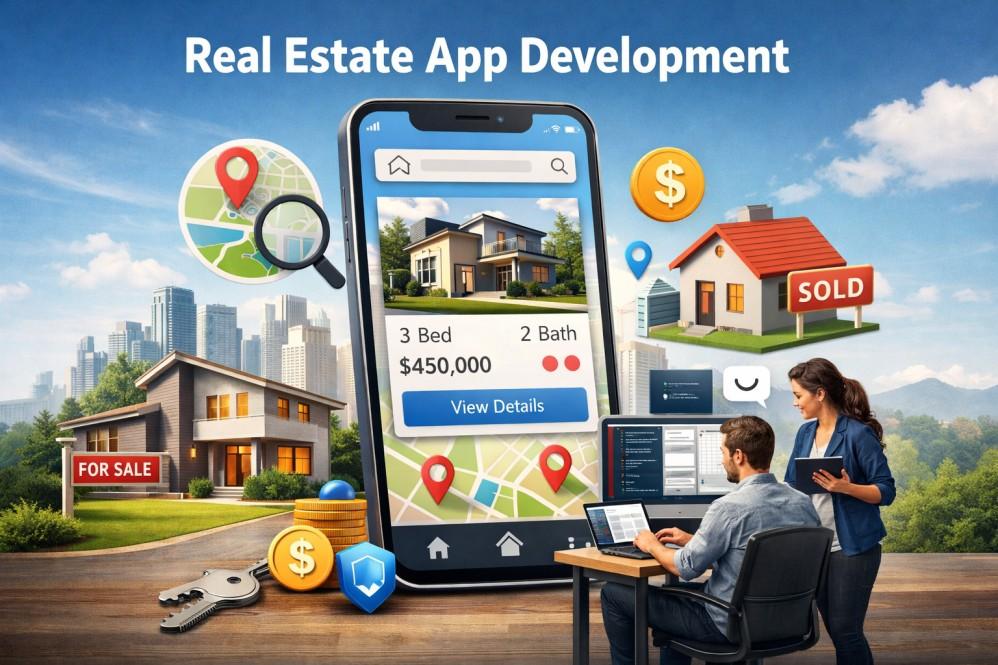
The real estate industry is rapidly embracing digital transformation, with mobile applications becoming a core tool for property buying, selling, and management. As businesses compete to offer seamless user experiences, understanding the cost of real estate app development has become a critical concern for startups, agencies, and enterprises alike.
Recent industry trends show a growing demand for mobile-first solutions, prompting many businesses to partner with a reliable real estate mobile app development company to stay competitive. However, the cost of developing such apps can vary significantly depending on multiple factors.
Rising Demand for Real Estate Mobile Apps
The global shift toward digital platforms has made mobile apps essential in the real estate sector. Buyers and investors now prefer browsing properties, scheduling visits, and completing transactions online. This demand has driven companies to invest heavily in app development.
Industry experts suggest that businesses working with an experienced real estate mobile app development company are better positioned to deliver high-quality applications tailored to market needs. However, this also impacts the overall budget depending on the scope and complexity of the project.
Key Factors Influencing Development Cost
The cost of real estate app development is not fixed. It depends on several important factors that determine the final pricing.
1. App Features and Functionality
Basic apps with property listings, search filters, and contact options cost less. Advanced features such as AI-based recommendations, virtual tours, chat support, and payment integration increase development costs.
2. Platform Selection
Developing an app for a single platform (Android or iOS) is more affordable compared to building for both. Cross-platform development can be cost-effective but may require specialized expertise.
3. UI/UX Design
A visually appealing and user-friendly design is crucial in real estate apps. High-quality UI/UX design requires additional investment but significantly enhances user engagement and retention.
4. Backend Infrastructure
Robust backend systems are needed to manage databases, user accounts, and property listings. The complexity of backend development plays a major role in determining overall costs.
5. Third-Party Integrations
Integration with services like payment gateways, maps, CRM systems, and analytics tools adds to development expenses but improves app functionality.
Estimated Cost Breakdown
Based on current market trends, the cost of real estate app development can be categorized into three levels:
-
Basic App: $10,000 – $25,000
Includes essential features like property listings, search filters, and user registration. -
Mid-Level App: $25,000 – $60,000
Includes advanced features such as chat systems, map integration, and scheduling tools. -
Advanced App: $60,000 – $150,000+
Includes AI-powered recommendations, virtual tours, AR/VR features, and complex backend systems.
Businesses often consult a professional real estate mobile app development company to get a customized cost estimate based on their specific requirements.
Development Team and Location Impact
The location and expertise of the development team significantly influence pricing. Hiring developers from regions like North America or Europe is generally more expensive compared to outsourcing to countries like India.
Many businesses prefer outsourcing to a real estate mobile app development company in India due to cost-effectiveness and access to skilled developers. This approach allows companies to maintain quality while optimizing their budgets.
Hidden Costs to Consider
Beyond the initial development cost, there are additional expenses that businesses must consider:
-
App Maintenance and Updates: Regular updates are necessary to fix bugs and add new features.
-
Hosting and Server Costs: Cloud hosting services require ongoing payments.
-
Marketing and Promotion: App visibility requires investment in digital marketing.
-
Security Measures: Protecting user data involves implementing advanced security protocols.
Ignoring these hidden costs can lead to budget overruns in the long run.
Importance of Choosing the Right Development Partner
Selecting the right development partner is crucial for managing costs and ensuring project success. A reputable real estate mobile app development company can help businesses identify essential features, avoid unnecessary expenses, and deliver scalable solutions.
Experienced developers also provide valuable insights into market trends, helping businesses build apps that meet user expectations and stand out in a competitive market.
Future Outlook
The cost of real estate app development is expected to evolve as new technologies such as artificial intelligence, blockchain, and augmented reality become more mainstream. While these technologies may increase initial investment, they also offer long-term benefits in terms of user experience and business growth.
As competition intensifies, businesses will need to focus on innovation and efficiency, making strategic investments in mobile app development.
Conclusion
Understanding the cost of real estate app development is essential for businesses planning to enter or expand in the digital real estate market. From feature selection and platform choice to development team and hidden expenses, multiple factors influence the final cost.
Partnering with a reliable real estate mobile app development company can help businesses navigate these complexities and build high-performing applications within budget. With the right strategy and investment, real estate mobile apps can deliver significant returns and long-term success in an increasingly digital world.

 English
 Arabic
 French
 Spanish
 Deutsch
 Turkish
 Dutch
Dutch
 Italiano
 Russian
 Romaian
 Portuguese (Brazil)
 Greek
Greek