

Omnichannel Marketing Explained for Beginners
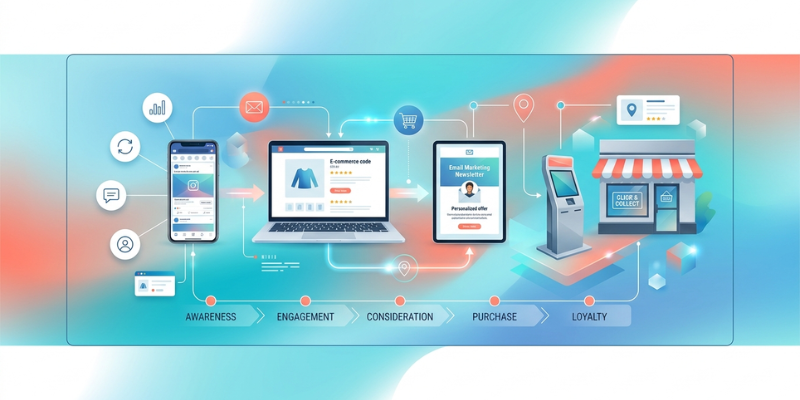
An approach known as omnichannel marketing unifies all customer touchpoints into a single, cohesive experience. It ensures that users interact with a brand consistently across websites, social media, emails, and physical stores. This approach focuses on creating a smooth journey rather than treating each channel separately.
For beginners, understanding omnichannel marketing can help improve customer engagement and brand trust. It allows businesses to connect with customers in their preferred environments and deliver a cohesive experience. If you are looking to build practical skills in this area, you can consider enrolling in a Digital Marketing Course in Trivandrum at FITA Academy to strengthen your knowledge with guided learning support.
What is Omnichannel Marketing
Omnichannel marketing integrates all communication channels into one unified system. It focuses on delivering a consistent message and experience across platforms. Unlike multichannel marketing, which uses multiple platforms independently, omnichannel connects them for better customer flow.
For example, a customer might find a product on social media, investigate it on a website, and finalize the purchase via a mobile application. Omnichannel marketing ensures that each step feels connected and personalized. This enhances customer contentment and boosts the likelihood of conversion.
Why Omnichannel Marketing Matters
Consumers nowadays anticipate that companies will recognize their likes and habits. Omnichannel marketing helps businesses track user interactions and respond with relevant content. It improves customer retention by making interactions smooth and meaningful.
A strong omnichannel strategy also boosts brand loyalty. When users receive consistent messaging, they are more likely to trust the brand. Businesses that adopt this approach often see higher engagement and better results from their campaigns. If you want to gain hands-on expertise in implementing such strategies, you can explore a Digital Marketing Course in Kochi to build industry-relevant skills and confidence.
Key Components of an Omnichannel Strategy
A successful omnichannel strategy includes several important elements. Customer data plays a key role in understanding behavior across channels. Businesses need tools to track and analyze this data effectively.
Content consistency is another important factor. The tone, message, and branding should remain the same across all platforms. This creates a recognizable identity for the brand.
Technology integration is also essential. Tools like customer relationship management systems and automation platforms help connect different channels. These tools ensure that customer interactions are synchronized and efficient.
Benefits of Omnichannel Marketing
Omnichannel marketing offers several benefits for businesses of all sizes. It enhances customer experience by providing a smooth and connected journey. Customers feel valued when brands remember their preferences and interactions.
It also improves conversion rates. When users experience consistency, they are more likely to complete actions such as purchases or sign ups. This results in improved business results and higher earnings.
Another benefit is improved data insights. Businesses can analyze customer behavior across channels and make informed decisions. This helps in refining marketing strategies and achieving better results over time.
Challenges in Omnichannel Marketing
While omnichannel marketing offers many advantages, it also comes with challenges. Managing multiple channels requires proper planning and resources. Businesses must allocate resources towards suitable tools and technologies.
Data management can also be complex. Collecting and analyzing data from different platforms requires accuracy and consistency. Without proper systems, it can become difficult to maintain a unified view of the customer.
Another challenge is maintaining consistency. Brands must ensure that messaging remains aligned across all channels. This necessitates collaboration among various teams and departments.
Omnichannel marketing is an essential strategy for modern businesses. It helps create a seamless and engaging experience for customers across all touchpoints. By focusing on consistency and integration, businesses can build stronger relationships and achieve better results.
For those who want to master this approach and grow their career in digital marketing, you can consider signing up for a Digital Marketing Course in Pune to gain practical knowledge and real-world experience in this evolving field.
Also check: What is The Anatomy of a Perfect Marketing Email?

 English
 Arabic
 French
 Spanish
 Portuguese
 Deutsch
 Turkish
 Italiano
 Russian
 Romaian
 Portuguese (Brazil)
 Greek
Greek