

High Pressure Heat Exchanger: Driving Advanced Heat Transfer Solutions for Modern Industries
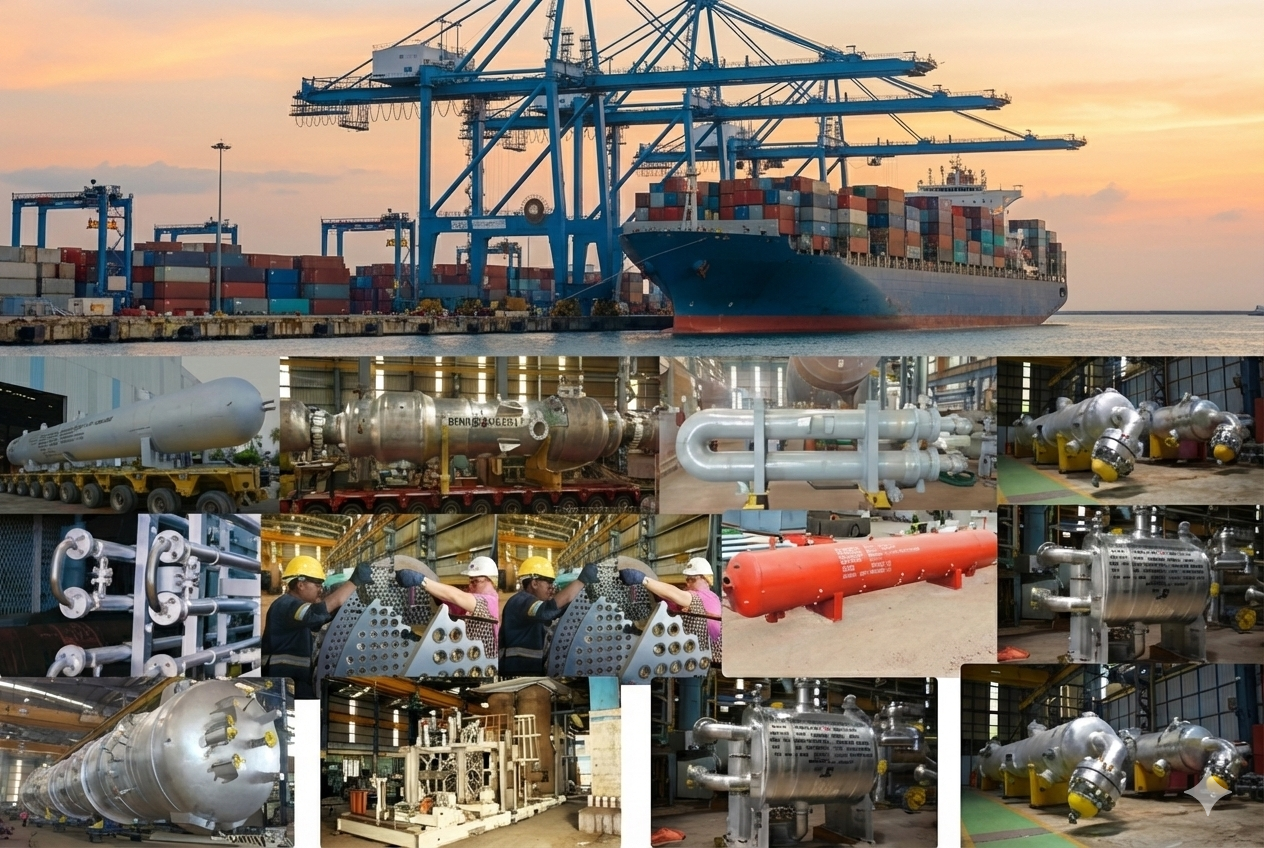
In today’s industrial landscape, efficiency, reliability, and performance are no longer optional—they are essential. From oil refineries to power plants, industries rely heavily on advanced thermal systems to maintain productivity and safety. At the core of these systems lies the High Pressure Heat Exchanger, a critical component in delivering optimized Heat Transfer Solutions across demanding applications.
Understanding the Role of Heat Exchangers
A heat exchanger is a device designed to transfer heat between two fluids without mixing them. These systems are widely used in industries such as chemical processing, refrigeration, power generation, and petroleum refining.
Their importance goes beyond simple heat transfer. They help industries recover waste heat, improve energy efficiency, and maintain precise temperature control—key factors in reducing operational costs and environmental impact.
What Makes a High Pressure Heat Exchanger Unique?
A High Pressure Heat Exchanger is specifically engineered to operate under extreme pressure and temperature conditions. Unlike standard exchangers, these systems are designed to handle aggressive fluids, supercritical conditions, and high thermal loads without compromising performance.
These exchangers can withstand pressures reaching hundreds of bars and temperatures that exceed conventional limits, making them suitable for highly demanding environments.
Their robust construction and specialized materials allow them to function efficiently even in corrosive or high-viscosity fluid applications. This makes them indispensable in industries such as:
-
Oil & Gas
-
Petrochemicals
-
Power Generation
-
Fertilizers
-
Pharmaceuticals
Key Benefits of High Pressure Heat Exchanger Systems
1. Enhanced Thermal Efficiency
High-pressure systems enable better heat transfer rates due to improved fluid properties at elevated conditions. This leads to faster and more effective heat exchange, maximizing process efficiency.
2. Compact and Cost-Effective Design
Because of their high efficiency, these exchangers require less surface area, reducing overall equipment size and installation costs. This also lowers pumping power requirements and operational expenses.
3. Superior Durability
Manufactured using high-grade materials like stainless steel, these systems offer excellent resistance to corrosion, pressure stress, and thermal fatigue, ensuring long service life.
4. Reliable Performance in Harsh Conditions
High-pressure heat exchangers are built to maintain stability under fluctuating temperatures and pressures, making them ideal for critical industrial processes.
Advanced Heat Transfer Solutions for Industrial Excellence
Modern industries demand more than just equipment—they require complete Heat Transfer Solutions that enhance productivity while minimizing energy consumption. High-pressure heat exchangers play a central role in achieving this balance.
Effective heat transfer solutions focus on:
-
Maximizing energy recovery
-
Reducing heat loss
-
Ensuring process safety
-
Improving system efficiency
By integrating advanced exchanger designs, industries can significantly reduce energy waste and improve overall system performance.
Applications Across Industries
The versatility of High Pressure Heat Exchanger systems allows them to be used in a wide range of applications:
Oil & Gas Industry
Used for cooling hydrocarbons, gas processing, and offshore operations where high-pressure conditions are standard.
Power Plants
Essential for steam generation, turbine cooling, and heat recovery systems, ensuring efficient energy conversion.
Chemical Processing
Maintains precise temperature control for reactions involving volatile or corrosive substances.
Food & Pharmaceutical
Supports hygienic and controlled heat transfer processes such as pasteurization and sterilization.
These applications highlight the importance of reliable Heat Transfer Solutions in maintaining consistent output and product quality.
Design Considerations for Optimal Performance
To achieve maximum efficiency, several factors must be considered when selecting a high pressure heat exchanger:
-
Material Selection: Corrosion-resistant alloys improve durability
-
Thermal Efficiency: Optimized surface area enhances heat transfer
-
Pressure Handling Capacity: Must align with process requirements
-
Maintenance Accessibility: Ensures long-term performance
A well-designed system not only improves efficiency but also reduces downtime and maintenance costs.
The Future of Heat Transfer Technology
With industries moving toward sustainability and energy optimization, the demand for advanced Heat Transfer Solutions continues to grow. Innovations in materials, manufacturing techniques, and compact designs are pushing the boundaries of what high pressure heat exchangers can achieve.
Emerging technologies are focusing on:
-
Improved heat transfer coefficients
-
Reduced pressure drops
-
Enhanced compactness
-
Greater energy recovery
These advancements are shaping the future of industrial heat management.
Why Choose Precision Engineered Solutions?
For industries seeking reliable and efficient thermal systems, investing in high-quality equipment is crucial. A well-designed High Pressure Heat Exchanger ensures consistent performance, reduced operational costs, and long-term reliability.
If you are looking to upgrade your systems with advanced Heat Transfer Solutions, explore the complete range of industrial products.
Conclusion
In an era where efficiency and sustainability define industrial success, the role of the High Pressure Heat Exchanger has become more critical than ever. These systems not only enhance performance but also contribute to energy savings and environmental responsibility.
By adopting advanced Heat Transfer Solutions, industries can stay competitive, reduce costs, and ensure seamless operations even under the most demanding conditions.

 English
 Arabic
 French
 Spanish
 Portuguese
 Deutsch
 Dutch
Dutch
 Italiano
 Russian
 Romaian
 Portuguese (Brazil)
 Greek
Greek