In the garment industry, quality control goes far beyond stitching, finishing, and packaging. One small oversight—like a broken needle fragment left inside a garment—can lead to serious safety risks, product recalls, and damage to brand reputation. This is where a garment needle detector machine becomes essential.
If you’re running a manufacturing unit, export business, or even a growing apparel brand, understanding how this machine works and why it matters can help you avoid costly mistakes and build trust with your customers.
What Is a Garment Needle Detector Machine?
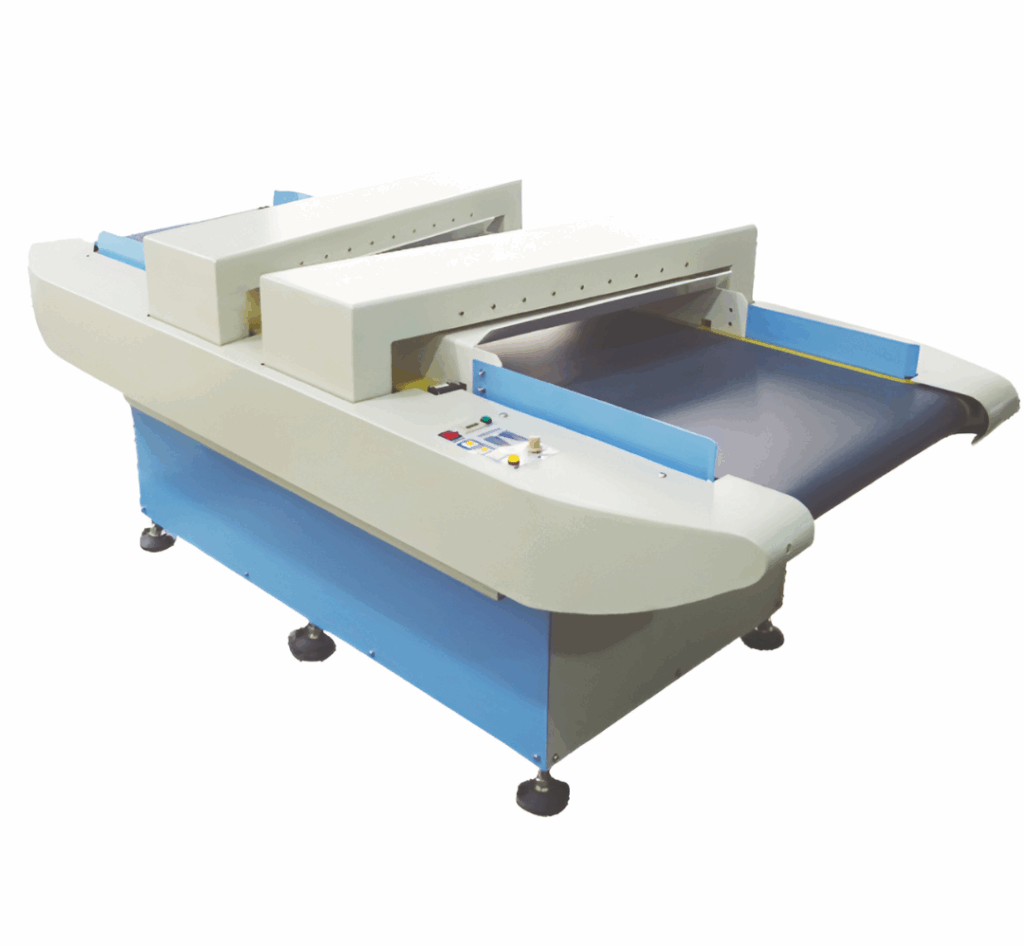
A garment needle detector machine is a specialized device used to detect metal contaminants—primarily broken needle fragments—in finished garments. These machines are commonly placed at the final inspection stage, just before packaging.
The idea is simple: every garment passes through the detector, and if any metallic object is present, the machine alerts the operator immediately. This ensures that defective pieces are removed before reaching the customer.
Why Needle Detection Is Crucial in Apparel Manufacturing
Let’s be practical—needles break. It’s a common part of sewing operations, especially in high-speed production environments. But what happens if a small fragment remains hidden inside the fabric?
That’s where the real problem begins.
A single undetected needle piece can:
Many international buyers, particularly from countries like Japan and the US, have strict compliance standards. Without proper needle detection processes, your shipments might not even pass inspection.
How the Machine Works (Without Getting Too Technical)
Most garment needle detector machines use electromagnetic fields to identify metal objects. When a garment passes through the detection area, the machine scans it for any irregularities caused by metal presence.
If metal is detected:
Some advanced models even show the exact location of the detected fragment, making it easier to fix the issue quickly.
Types of Needle Detector Machines
Not all machines are the same. Depending on your production scale and requirements, you’ll come across a few different types:
1. Conveyor-Type Needle Detectors
These are the most commonly used machines in factories. Garments move along a conveyor belt through the detection zone. They’re ideal for bulk production and continuous operations.
2. Handheld Needle Detectors
These are portable devices used for spot-checking. They’re useful for small workshops or for double-checking specific garments after detection.
3. High-Sensitivity Detectors
Designed for premium garments and strict export requirements, these machines can detect extremely small metal fragments with high precision.
Where It Fits in Your Production Line
A needle detector machine is typically placed at the final quality control stage, after ironing and finishing but before packing.
Here’s a simple flow:
Cutting → Stitching → Finishing → Ironing → Needle Detection → Packing
This placement ensures that no garment leaves the factory unchecked.
Key Features to Look For
If you’re planning to invest in a needle detector machine, don’t just go for the cheapest option. Focus on features that actually improve safety and efficiency.
Here are a few things to consider:
-
Detection sensitivity – Can it detect small fragments?
-
Conveyor speed control – Helps match your production pace
-
Automatic stop and alarm system – Essential for quick response
-
User-friendly interface – Makes training easier for operators
-
Durability and build quality – Important for long-term use
Advanced machines may also include digital displays, memory functions, and fault tracking.
Common Mistakes Manufacturers Make
Even with a needle detector machine, errors can still happen if the process isn’t handled properly.
Some common issues include:
-
Skipping the detection step during peak production
-
Using poorly calibrated machines
-
Ignoring regular maintenance
-
Not training staff properly
The machine is only as effective as the system around it. Consistency is key.
Maintenance and Calibration: Often Overlooked
Many businesses invest in a good machine but fail to maintain it. Over time, sensitivity can drop, leading to inaccurate results.
To keep your machine reliable:
-
Perform regular calibration checks
-
Clean the conveyor and detection area
-
Test with standard metal samples daily
-
Schedule periodic servicing
Think of it like a safety system—it needs to be checked regularly to work properly.
Benefits Beyond Safety
While safety is the primary goal, a needle detector machine offers several additional benefits:
1. Builds Buyer Confidence
When clients know you follow strict quality checks, they’re more likely to trust your brand.
2. Reduces Risk of Returns
Fewer defects mean fewer complaints and returns.
3. Helps Meet Export Standards
Many international markets require needle detection as part of compliance.
4. Improves Overall Quality Control
It adds an extra layer of inspection, ensuring consistency in your products.
Is It Worth the Investment?
If you’re serious about scaling your garment business, the answer is yes.
The cost of a needle detector machine is minimal compared to the potential losses from a single incident. Whether it’s a rejected shipment or a damaged reputation, the risks are simply too high to ignore.
Even small and mid-sized manufacturers are now adopting these machines as a standard part of their production setup.
Final Thoughts
A garment needle detector machine might not be the most glamorous piece of equipment in your factory, but it plays a critical role in protecting your customers and your brand.
In an industry where competition is high and expectations are even higher, small details make a big difference. Ensuring that every garment is safe, clean, and defect-free isn’t just good practice—it’s a necessity.
If you’re looking to build a reliable and scalable apparel business, this is one investment you shouldn’t overlook.



 English
 Arabic
 French
 Spanish
 Portuguese
 Deutsch
 Turkish
 Dutch
Dutch
 Italiano
 Russian
 Romaian
 Portuguese (Brazil)