

Financial Literacy For Kids When Is The Best Time To Start
Introduction
Understanding financial literacy for kids is about far more than just teaching them how to count coins. It is about laying a solid foundation for lifelong money management skills that will carry them through adulthood. When we teach children about money from an early age, we empower them to make informed, confident financial decisions as they grow. This guide explores the "when" and the "how" of introducing these concepts, offering parents and educators a clear roadmap for success. In the following sections, we will see that the answer to Financial Literacy For Kids When Is The Best Time To Start is almost always: as soon as they are curious.
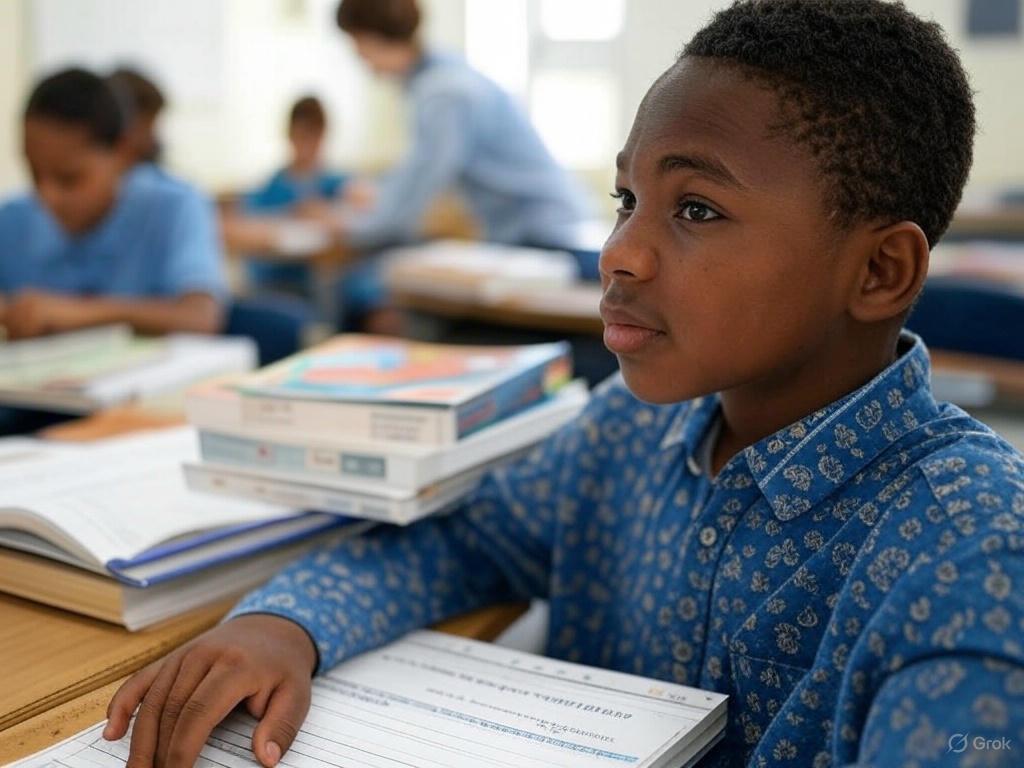
A robust approach to financial literacy for students often begins with these small, informal lessons at home before moving into more structured classroom environments.
Why Starting Early Is a Game Changer
Starting financial literacy education early is crucial because it establishes responsible habits before bad ones have a chance to take root. Early exposure significantly shapes how a child perceives and handles resources. When kids learn about saving, budgeting, and the difference between "needs" and "wants" during their formative years, they develop a perspective that influences their financial health well into their working lives.
Instilling responsible behaviour early is the key to fostering lifelong discipline. For example, when a child is encouraged to save a portion of their pocket money or earnings from household chores, they learn the value of delayed gratification. They begin to understand that setting aside money for a future goal is often more rewarding than an impulsive lolly shop run. These small wins build the confidence needed to navigate much larger financial challenges later on.
Fundamental Concepts for Developing Minds
Financial concepts shouldn't be dumped on a child all at once. Instead, they should be introduced in stages that match their cognitive development.
The Early Years: Preschool to Elementary
For younger children, the focus should be on engagement and tangibility. Basic concepts like the value of money, the physical difference between various coins and notes, and the idea of helping those less fortunate are perfect starting points. At this age, the "piggy bank" is a powerful symbol. It teaches the concept of accumulation and saving for something special.
By the time they reach primary school, we can start talking about making choices. If they have five dollars, do they buy the toy now, or do they save it to add to next week’s pocket money for a bigger prize? This introduces the practical reality of available resources and the necessity of prioritisation.
The Transition to Independence: Middle and High School
As children grow into their teenage years, the education must evolve. Topics such as creating a simple budget, understanding the basics of investing, and managing credit become highly relevant. This is especially true as they start working part-time jobs or considering the significant costs associated with higher education.
Teenagers need to see how these concepts relate to their actual lives. Discussing the cost of running a car, saving for a school formal, or managing expenses during university preparation makes the lessons resonate deeply. Interactive discussions about the pitfalls of credit cards and the reality of student loans prepare them for the financial independence that awaits them after graduation.
Implementing Financial Education in Schools
Integrating financial literacy into school curriculums is one of the best ways to ensure every child receives a foundational understanding of money management. Formal programs can cover a broad spectrum, from basic banking and budgeting to the complexities of interest rates and investment risks.
The benefits of school-based initiatives are manifold. They equip students with practical skills that are essential for survival in the real world. Students learn to analyse financial scenarios, use critical thinking to solve problems, and understand the long-term implications of debt. By moving financial education into the classroom, we ensure it isn't just a "luck of the draw" lesson based on what is discussed at home.
The Vital Role of the Home Environment
While schools provide the structure, parents remain the primary influence on a child's financial attitude. Everyday activities are goldmines for teaching moments. Involving children in the weekly grocery shop and discussing how to stick to a household budget illustrates practical money management in a way a textbook never could.
Leading by Example
Children are like sponges; they learn by watching how their parents handle money. Demonstrating responsible behaviours—like saving for a family holiday or planning for retirement—sets a powerful example. If a child sees their parents weighing up options and making reasoned choices, they are far more likely to do the same.
Making it Fun and Accessible
You don't need to make it a lecture. Using age-appropriate resources like books, play cash registers, educational board games, and even kid-friendly banking apps can make learning about money feel like a game. The goal is to make the topic of money approachable rather than a source of stress or mystery.
Empowering the Next Generation
Ultimately, the goal of early financial education is to create "financially savvy" adults. By combining structured school programs with active involvement and conversation at home, we prepare children to navigate both the opportunities and the obstacles of the modern economy. We aren't just teaching them to balance a ledger; we are giving them the tools to achieve personal well-being and long-term security.
Empowering future financiers starts with a single coin in a jar and a conversation about why we save. With the right guidance, our children can grow into adults who view money as a tool for success rather than a cause for anxiety.
FAQ
At what age should children start learning about financial literacy?
Children can begin grasping basic concepts as early as preschool by learning about the physical appearance of money and the simple act of saving in a piggy bank. Starting at this age helps normalise conversations about money before they reach more complex developmental stages.
Why is it important to teach kids about money so early in life?
Early education helps children develop positive attitudes and responsible habits, such as saving and budgeting, before they face real-world financial pressures. It instills the discipline of delayed gratification, which is a key predictor of financial success in adulthood.
What are some good financial topics for primary school-aged children?
Primary school kids are ready to learn about creating simple budgets for their pocket money, setting specific savings goals, and understanding the difference between essential needs and optional wants. Hands-on activities like running a lemonade stand or earning money for chores are excellent practical lessons.
How can I include money lessons in my daily routine at home?
You can involve your children in grocery shopping by comparing prices, set up a "savings jar" for a family treat, and have open discussions about how the family plans for big expenses. These everyday interactions turn abstract financial concepts into tangible life skills.
What role should schools play in a child's financial education?
Schools should provide a formal structure for financial learning, covering topics like banking, credit, and the basics of investing to ensure all students have an equal foundation. This classroom learning complements the informal lessons taught at home and prepares students for the complexities of the modern economy.

 English
 Arabic
 French
 Spanish
 Portuguese
 Deutsch
 Turkish
 Dutch
Dutch
 Italiano
 Russian
 Portuguese (Brazil)
 Greek
Greek