

Fabric Inspection Machines: The Unsung Heroes of the Textile Industry
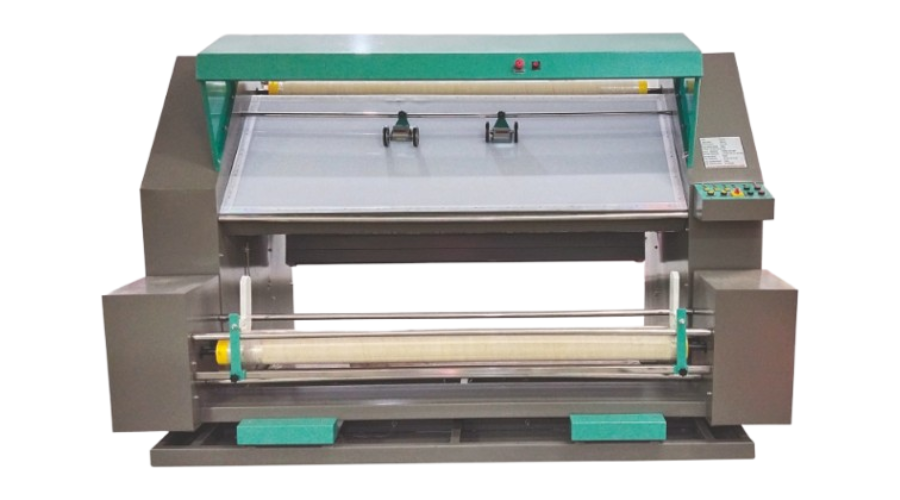
Walk into any textile unit and you will notice one thing quickly—speed. Rolls of fabric moving, machines running, orders lined up. But somewhere in that rush, quality quietly decides whether a business keeps its reputation or loses it. That’s where a fabric inspection machine steps in. It’s not the flashiest piece of equipment on the floor, but it’s one of the most critical.
What a Fabric Inspection Machine Actually Does
At its core, a fabric inspection machine is designed to check fabric for defects before it moves to the next stage. Sounds simple, but the impact is huge. It identifies issues like holes, stains, weaving faults, color variations, and inconsistencies in texture.
Instead of relying on manual checking—which can be slow and inconsistent—the machine ensures every inch of fabric is examined under proper lighting and controlled conditions. It’s like having a second set of eyes that never gets tired.
Why Manual Inspection Falls Short
Many small units still depend on manual inspection. It works to an extent, but it comes with limitations. Human error is the biggest one. After hours of repetitive work, even the most experienced inspector can miss defects.
There’s also the issue of speed. Manual inspection slows down production, especially when dealing with large volumes. And then there’s consistency. What one inspector flags, another might overlook.
A fabric inspection machine reduces these gaps. It brings uniformity to the process and keeps quality standards stable across batches.
Key Features That Make a Difference
Not all inspection machines are built the same, but the good ones usually share a few essential features.
Controlled lighting is one of them. Proper illumination helps highlight even minor defects that might otherwise go unnoticed. Then there’s adjustable speed control, allowing operators to inspect different types of fabrics without compromising accuracy.
Modern machines often come with digital counters to measure fabric length accurately. Some also include defect marking systems, making it easier to identify and fix issues later.
Ergonomics also plays a role. A well-designed machine reduces operator fatigue, which directly improves inspection quality.
Types of Fabric Inspection Machines
Depending on the requirement, manufacturers choose different types of machines.
Flat inspection machines are commonly used for woven fabrics. They spread the fabric flat, making it easier to spot defects across the surface.
Tubular inspection machines, on the other hand, are designed for knitted fabrics. These fabrics often come in tubular form, so the machine accommodates that structure.
There are also rolling inspection machines, which inspect fabric while winding it into rolls. These are useful in high-volume setups where efficiency matters.
The choice depends on the type of fabric, production scale, and workflow.
Where It Fits in the Production Process
Fabric inspection usually happens after manufacturing and before further processing like dyeing, cutting, or stitching. Catching defects early saves time and money. If a defect is found later in the process, the cost of correction increases significantly.
Think about it. A small weaving fault might seem minor at first, but if it goes unnoticed and reaches the final product stage, it can lead to rejections, returns, or even lost clients.
Inspection acts as a checkpoint. It ensures that only quality-approved fabric moves forward.
The Business Impact You Don’t See Immediately
Investing in a fabric inspection machine might feel like an added expense, especially for smaller units. But the long-term benefits usually outweigh the cost.
Reduced wastage is one of the biggest advantages. When defects are identified early, there’s less material loss.
It also improves customer satisfaction. Consistent quality builds trust, and in the textile industry, that trust often translates into repeat business.
Then there’s efficiency. Faster inspection means quicker turnaround times, which is crucial when dealing with tight deadlines.
Over time, these factors contribute to better margins and smoother operations.
What to Look for Before Buying One
Choosing the right machine isn’t just about price. It’s about fit.
Start with the type of fabric you handle most. Knits, wovens, or a mix of both—this will guide your choice.
Check the machine’s speed range and whether it can handle different fabric thicknesses. A machine that’s too rigid in its settings can limit your flexibility.
Look at build quality. A sturdy frame and reliable components mean less downtime and fewer maintenance issues.
Ease of use matters too. If the machine is complicated to operate, it can slow down your team instead of helping them.
And don’t ignore after-sales support. A machine is only as good as the service backing it.
The Shift Towards Automation
The textile industry is gradually moving towards automation, and inspection is part of that shift. Advanced systems now use cameras and sensors to detect defects automatically. Some even integrate with software that tracks quality data over time.
While these systems are more expensive, they offer higher accuracy and reduce dependency on manual labor.
That said, not every unit needs full automation. For many businesses, a semi-automatic inspection machine strikes the right balance between cost and efficiency.
A Small Machine with a Big Role
It’s easy to overlook something that doesn’t directly produce output. But fabric inspection machines quietly influence the final product more than most people realize.
They protect quality, reduce losses, and keep operations running smoothly. In a market where even a minor defect can cost a client, that role becomes even more important.
If you’re in textiles, it’s not just about producing fabric. It’s about delivering fabric that meets expectations every single time. And that’s exactly where a good inspection system proves its worth.

 English
 Arabic
 French
 Spanish
 Portuguese
 Deutsch
 Turkish
 Dutch
Dutch
 Italiano
 Romaian
 Portuguese (Brazil)
 Greek
Greek