

Tomato Paste Price Trend, Market Analysis & Forecast Insights 2026
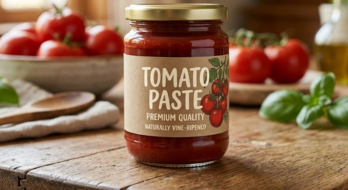
The Tomato Paste Price Trend has shown a predominantly upward trajectory in recent periods, driven by constrained raw material supply, rising production costs, and strong demand from processed food industries. Globally, tomato paste prices have been influenced by fluctuations in fresh tomato availability, adverse weather conditions, and increasing logistics costs. The food processing sector remains the primary demand driver, while supply disruptions in key producing regions such as India and China have tightened market balance. Feedstock volatility, particularly raw tomatoes, continues to play a decisive role in shaping price movements, making the market sensitive to agricultural cycles and climate-related risks.
Market Snapshot
Market Snapshot: Tomato Paste Price Trend
-
Market Direction: Rising
-
Primary Demand Sector: Food Processing Industry
-
Key Feedstock: Raw Tomatoes
-
Major Supply Region: China, India, Mediterranean Region
-
Short-Term Outlook: Bullish
Key Drivers Affecting Tomato Paste Prices
Several structural and short-term factors are influencing the global tomato paste market trend:
-
Feedstock Price Volatility:
Fluctuations in raw tomato prices significantly impact production costs. Poor harvests directly increase processing costs. -
Supply-Demand Imbalance:
Limited agricultural output combined with growing processed food demand creates upward price pressure. -
Rising Processed Food Consumption:
Increasing urbanization and demand for convenience foods are boosting tomato paste consumption globally. -
Logistics and Fuel Costs:
Higher transportation and energy costs are increasing the overall price index. -
Production Capacity Constraints:
Seasonal production cycles and limited processing capacity during peak disruptions restrict supply availability.
Why Prices Increased Recently
The Tomato Paste Prices witnessed a notable increase in the recent period, particularly during H2 2024 in India.
-
Prices surged primarily due to reduced raw tomato supply caused by heavy monsoon rainfall.
-
Excess moisture led to crop damage and spoilage during transportation, limiting availability for processing.
-
Rising feedstock costs increased manufacturing expenses, which were passed down the value chain.
-
Fuel price hikes and logistics disruptions further amplified cost pressures.
-
Strong demand from the processed food sector sustained the upward pricing momentum.
Conclusion of movement:
Prices increased due to supply shortages and higher feedstock costs combined with strong downstream demand.
Real Global Events Affecting the Market
Several macroeconomic and environmental factors have influenced the tomato paste market:
-
Extreme Weather Events:
Heavy rainfall in India disrupted tomato cultivation and supply chains. -
Climate Volatility:
Changing weather patterns have made agricultural output less predictable globally. -
Rising Energy Prices:
Increased fuel costs impacted transportation and processing expenses. -
Global Food Demand Shift:
A growing preference for processed and ready-to-eat foods has strengthened demand. -
Supply Chain Disruptions:
Similar to chemical markets like STPP in Q1 2025, where logistics and production disruptions caused volatility, the tomato paste market also experienced instability due to supply constraints and transportation challenges.
Regional Market Analysis
North America
-
Stable demand from foodservice and packaged food sectors
-
Moderate supply conditions due to advanced processing infrastructure
-
Prices remained relatively firm with slight upward pressure
Asia Pacific
-
Strong demand growth driven by urbanization and changing dietary habits
-
India experienced sharp price increases due to weather-related supply shortages
-
China maintained stable supply but influenced regional pricing trends
Europe
-
Mature market with steady demand from processed food manufacturers
-
Prices showed moderate fluctuations influenced by import costs and energy prices
-
Supply remained relatively balanced
Middle East & Africa
-
Increasing dependence on imports
-
Rising consumption of processed foods supporting demand
-
Prices influenced by global supply conditions and freight costs
Industry Expert Insight
Industry analysts indicate that agricultural dependency and climate-driven supply disruptions remain key structural risks in the tomato paste market, while steady growth in processed food consumption continues to support long-term demand fundamentals.
Market Outlook
Short-Term Outlook
-
Prices are expected to remain firm to bullish
-
Continued supply constraints and seasonal fluctuations may support higher price levels
-
Logistics and energy costs will remain critical influencing factors
Medium-Term Outlook
-
Expansion in food processing industries will drive sustained demand
-
Improvements in agricultural practices may stabilize supply
-
Tomato paste price forecast suggests moderate volatility with an overall upward bias
FAQs
What affects Tomato Paste Price Trend?
Weather conditions, raw tomato supply, logistics costs, and processed food demand significantly affect prices.
Why did tomato paste prices rise recently?
Prices rose due to lower crop yields, supply disruptions, and increased production and transportation costs.
What industries use tomato paste?
Tomato paste is widely used in sauces, soups, ready meals, and packaged food products.
Which region produces the most tomato paste?
China, India, and Mediterranean countries are the leading producers globally.
What is the tomato paste price forecast?
The tomato paste market outlook suggests a stable to bullish trend due to steady demand and supply uncertainties.

 English
 Arabic
 French
 Portuguese
 Deutsch
 Turkish
 Dutch
Dutch
 Italiano
 Russian
 Romaian
 Portuguese (Brazil)
 Greek
Greek