

Baking with Buckwheat Flour: A Guide for Health-Conscious Bakers
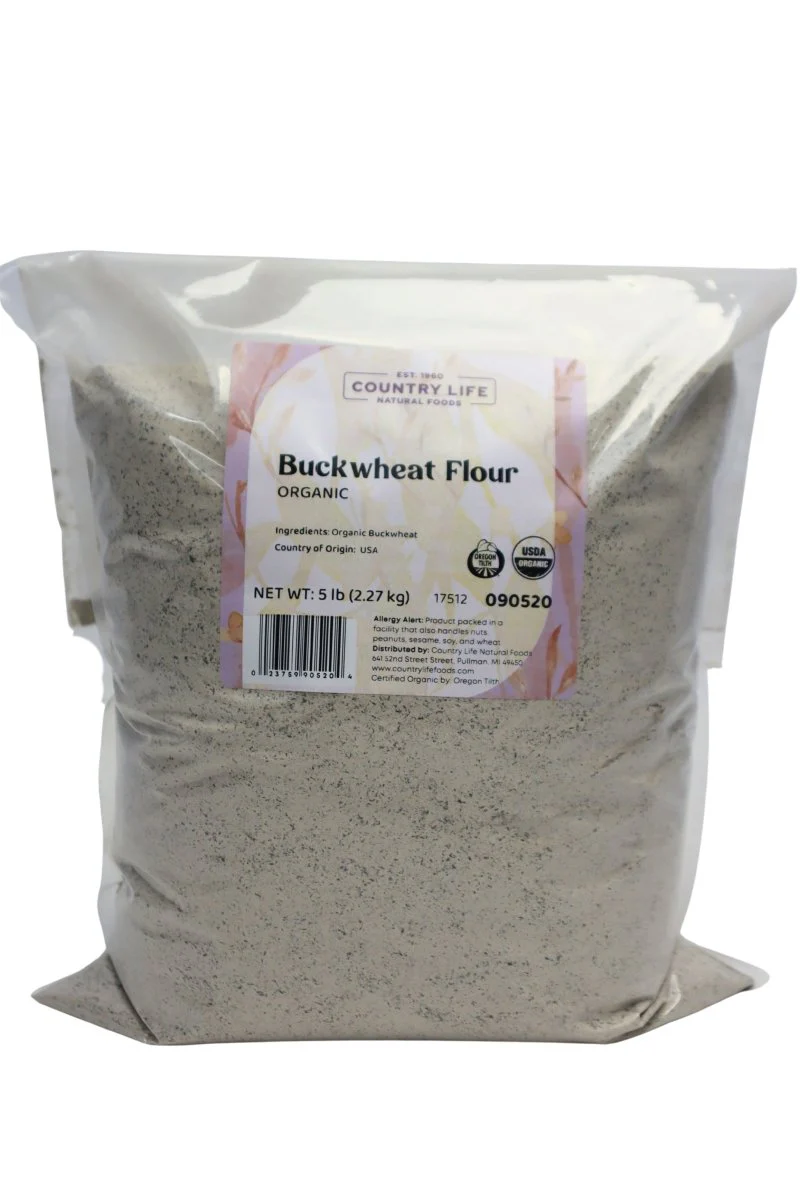
In recent years, there’s been a noticeable shift toward healthier and more sustainable eating habits. As people become more aware of their food choices, the demand for organic ingredients has really taken off. One ingredient that has become a favorite among health enthusiasts and bakers is buckwheat flour. Made from the seeds of the buckwheat plant, this flour is not only gluten-free but also packed with nutritional benefits that make it a go-to in kitchens around the globe.
What is Buckwheat Flour?
Despite its name, buckwheat isn’t a type of wheat at all! It’s actually a seed that’s related to rhubarb and sorrel, which makes it a safe option for those with gluten sensitivities or celiac disease. When the seeds are ground down into a fine powder, you get buckwheat flour, known for its earthy flavor and remarkable versatility in baking.
Health Benefits of Buckwheat Flour
Buckwheat flour is like a treasure trove of nutrition. It’s loaded with essential amino acids, fiber, and antioxidants, making it an excellent pick for health-conscious consumers. Here’s why you might want to keep it stocked in your pantry:
- Nutrient-Rich: This flour is high in protein and is a great source of essential vitamins and minerals like magnesium, iron, and zinc.
- Heart Health: The flavonoids found in buckwheat help keep your heart healthy by reducing inflammation and boosting blood circulation.
- Blood Sugar Control: With its low glycemic index, buckwheat flour has a minimal impact on blood sugar levels, making it a smart choice for anyone managing diabetes.
Organic Baking with Buckwheat Flour
Switching to organic ingredients like buckwheat flour can ensure that your baking is free from harmful pesticides and genetically modified organisms (GMOs). If you’re looking to whip up wholesome, nutritious breads and pastries, organic buckwheat flour is a fantastic option. Here are a few tips to get you started:
- Substitute Wisely: Buckwheat flour has a strong flavor, so it’s best to start by replacing just one-third of the flour in your recipes.
- Combine with Other Flours: Mixing it with other gluten-free flours, like almond or rice flour, can help you achieve the right texture.
- Moisture Matters: Buckwheat flour tends to absorb more moisture, so don’t forget to add a bit more liquid to your recipes.
Delicious Recipes Using Buckwheat Flour
Buckwheat Pancakes
- Ingredients: 1 cup buckwheat flour, 1 tablespoon sugar, 1 teaspoon baking powder, 1 egg, 1 cup milk, 2 tablespoons melted butter.
- Instructions: Start by mixing the dry ingredients in one bowl. In another, whisk together the egg, milk, and melted butter. Combine the mixtures and cook on a greased skillet until you see bubbles forming. Flip them over and cook until they’re golden brown.
Buckwheat Bread
- Ingredients: 2 cups buckwheat flour, 1 cup almond flour, 1 teaspoon baking soda, 1/2 teaspoon salt, 2 eggs, 1 cup buttermilk.
- Instructions: Preheat your oven to 350°F. In one bowl, mix the dry ingredients. In another, beat the eggs and buttermilk together. Combine everything and pour the mixture into a greased loaf pan. Bake it for 30-35 minutes.
Sustainable Food Sourcing with Buckwheat
Choosing buckwheat flour doesn’t just benefit your health; it also supports sustainable farming practices. Buckwheat is a robust crop that grows quickly and needs minimal pesticides or fertilizers. By opting for organic buckwheat flour, you’re backing farming practices that are kinder to our planet.
Advantages of Bulk Purchasing
For those who bake often or are committed to living sustainably, buying buckwheat flour in bulk comes with its perks:
- Cost-Effective: You can save money over time by purchasing in larger quantities.
- Reduced Packaging Waste: Buying in bulk means less single-use packaging, which is great for the environment.
- Convenience: Keeping a steady supply of buckwheat flour on hand means you’re always ready to whip up delicious, healthy treats.
Conclusion
Buckwheat flour is more than just a substitute for traditional wheat flour; it’s a versatile, healthy, and sustainable choice that speaks to the values of health-conscious consumers. Whether you’re a passionate baker or someone exploring organic food options, incorporating buckwheat flour into your cooking routine can lead to healthier and more eco-friendly meals.
By getting to know the unique qualities of buckwheat flour and experimenting with its uses, you can create a range of delightful dishes that are good for both your health and your taste buds. So, why not start experimenting with buckwheat flour and discover all the wonderful things it has to offer?

 English
 Arabic
 French
 Spanish
 Portuguese
 Deutsch
 Turkish
 Dutch
Dutch
 Italiano
 Russian
 Portuguese (Brazil)
 Greek
Greek