A sewing machine is one of the most useful tools for clothing repair, garment making, home decor stitching, and creative fabric work. It saves time, improves stitch quality, and gives far better control than hand sewing, especially when working on regular projects. Whether someone is a beginner learning straight stitches or an experienced user handling layered fabrics, the right sewing machine changes the entire experience.
Today, the market includes manual, mechanical, electronic, and computerized sewing machines, each designed for different needs. Choosing the right one depends on fabric type, frequency of use, stitching goals, and comfort with machine features. A good machine should feel practical, reliable, and easy to use rather than overloaded with functions that rarely get used.
What a Sewing Machine Does and Why It Matters
A sewing machine joins fabric with speed, consistency, and precision. It helps create strong seams, neat finishes, decorative stitches, and repair work that would take much longer by hand. For everyday use, it handles tasks like hemming trousers, fixing loose seams, altering dresses, and stitching cushion covers with much less effort.
Its value goes beyond convenience. A sewing machine also supports customization. People can tailor clothes for a better fit, work on school projects, create handmade products, or even start a small home-based stitching business. That makes it practical for both personal use and income generation.
Types of Sewing Machines
Different sewing machines are built for different users. Understanding the main categories helps narrow the choice quickly.
Mechanical Sewing Machine
A mechanical sewing machine is operated through knobs, dials, and manual controls. It is simple, durable, and often preferred by beginners who want to understand the basics without dealing with digital settings. These machines usually offer essential stitches and are suitable for routine home sewing.
Electronic Sewing Machine
An electronic sewing machine uses powered controls for smoother operation and often includes more stitch options than a mechanical model. It offers better speed control and easier handling for users who sew regularly and want more flexibility without moving to a fully computerized setup.
Computerized Sewing Machine
A computerized sewing machine is designed for advanced use and creative projects. It may include an LCD display, built-in stitch patterns, buttonhole options, embroidery support, and memory functions. These machines are useful for people who want accuracy, decorative work, and project variety.
Mini Sewing Machine
A mini sewing machine is compact and lightweight, usually meant for small repairs and light fabrics. It works well for basic home use, but it is not ideal for heavy-duty stitching or long-term regular work.
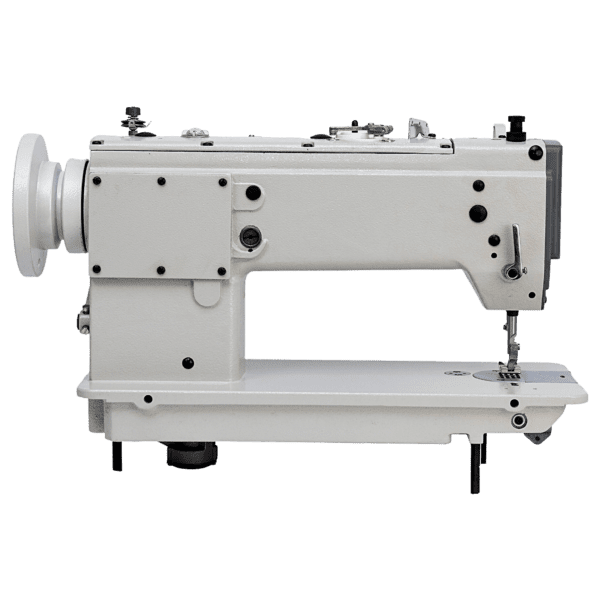
Industrial Sewing Machine
An industrial sewing machine is built for continuous use and high-speed performance. It handles specific tasks like straight stitching, overlocking, or heavy fabric sewing in commercial settings. It is not usually necessary for casual home users.
Key Features to Look for in a Sewing Machine
Choosing a sewing machine becomes easier when the focus stays on features that actually affect daily use. Stitch variety matters, but basic quality matters more. A good straight stitch, zigzag stitch, and buttonhole option cover most home sewing needs.
Motor strength is important when working with denim, curtains, layered cotton, or upholstery fabric. Adjustable stitch length and width help control finish quality. A free arm is useful for sleeves and cuffs, while automatic needle threading saves time and reduces frustration. Good lighting, smooth pedal control, and easy bobbin access also make sewing more comfortable.
How to Choose the Right Sewing Machine for Your Needs
The best sewing machine is not the one with the most features. It is the one that matches the kind of sewing being done most often. A beginner usually benefits more from a simple, dependable machine than from a complex model packed with decorative settings.
Someone focused on clothing alterations may only need basic stitches and easy speed control. A hobbyist working on quilting or craft projects may need more stitch patterns and fabric flexibility. A person planning to sew daily or start a tailoring setup should think about motor performance, machine stability, and long-term durability. Matching the machine to actual use prevents overspending and avoids unnecessary complexity.
Sewing Machine for Beginners vs Advanced Users
For Beginners
A beginner sewing machine should be easy to thread, simple to operate, and forgiving during practice. Clear stitch selection, moderate speed, and straightforward maintenance matter more than advanced customization. Too many features can make the learning process harder.
For Advanced Users
Advanced users often look for precision, speed consistency, multiple presser feet options, and better control over stitch settings. They may also need specialized functions for quilting, embroidery, piping, or decorative sewing. For this group, efficiency and creative flexibility matter just as much as ease of use.
Common Uses of a Sewing Machine at Home
A sewing machine is useful in more situations than most people expect. It is not limited to making clothes from scratch. Many people use it for quick practical tasks that come up throughout the month.
Common uses include trouser hemming, blouse adjustments, school uniform repair, curtain stitching, pillow cover making, tote bag sewing, and simple craft projects. It also helps with recycling old fabrics into usable household items. A sewing machine often becomes one of the most regularly used tools in a home once people get comfortable with it.
Examples of Sewing Machine Use in Real Situations
A college student living away from home may use a sewing machine for quick repairs, like fixing torn seams or shortening jeans. This saves money and reduces dependence on local alteration services for minor work.
A homemaker may use it for cushion covers, table runners, curtain adjustments, and regular family clothing repairs. This makes the machine useful far beyond fashion. A boutique owner or tailoring professional may rely on a stronger machine for daily garment construction, which requires consistent speed and cleaner finishing. These examples show how the ideal machine depends on real usage, not marketing claims.
Sewing Machine Maintenance Tips
Proper maintenance keeps a sewing machine running smoothly and extends its life. Dust, lint, and thread residue build up quickly, especially around the bobbin area. Regular cleaning helps prevent skipped stitches and tension issues.
The needle should be changed periodically, especially after heavy use or when stitching starts to look uneven. The machine should also be covered when not in use to avoid dust buildup. Using the correct needle type and thread quality reduces strain on the machine. Routine servicing is a smart step for frequent users, especially if the machine handles thick or layered fabrics often.
Expert Tips for Better Sewing Results
Start with medium-weight cotton fabric when learning, since it is easier to control than stretch or slippery materials. Practice straight lines, corners, and seam allowances before moving to complex projects. This builds confidence and reduces mistakes.
Always test stitch settings on a scrap piece of fabric before starting the actual project. Keep fabric flat and feed it steadily rather than pulling it through the machine. Match the needle and thread to the fabric type, because the wrong combination often leads to breakage, skipped stitches, or rough finishes.
Common Mistakes to Avoid
One common mistake is buying a sewing machine based only on appearance or brand name without considering actual use. A machine may look impressive but still be unsuitable for the user’s needs. Another mistake is ignoring motor strength when planning to work with thick fabrics.
Many users also skip basic maintenance, which leads to tension problems and poor stitch quality over time. Using the wrong needle is another frequent issue. A fine needle on thick fabric, or a heavy needle on delicate fabric, can damage both the project and the machine performance. Rushing into advanced projects too early often creates frustration that has more to do with technique than machine quality.
Conclusion
A sewing machine is a practical investment for anyone who wants better control over clothing repairs, home sewing, or fabric-based creative work. The right machine saves time, improves finish quality, and makes everyday sewing more efficient and enjoyable. It does not need to be the most advanced model on the shelf. It needs to fit the user’s skill level, project type, and expected frequency of use.
Choosing carefully, learning the basics properly, and maintaining the machine well will always matter more than extra features. A dependable sewing machine can serve for years and become one of the most valuable tools in a home or workspace.
Top 5 SEO FAQs
What is the best sewing machine for beginners?
The best sewing machine for beginners is usually a mechanical or basic electronic model with simple controls, straight and zigzag stitches, and easy threading.
Which sewing machine is best for home use?
A home sewing machine with essential stitch options, good motor strength, free arm support, and easy maintenance is usually the best choice for regular household sewing.
What is the difference between mechanical and computerized sewing machines?
Mechanical sewing machines use manual controls and are simpler to operate, while computerized sewing machines offer digital settings, more stitch patterns, and advanced sewing functions.
Can a sewing machine stitch thick fabric?
Yes, many sewing machines can stitch thick fabric, but performance depends on motor strength, needle choice, and the machine’s ability to handle multiple layers.
How long does a sewing machine last?
A good sewing machine can last many years with proper cleaning, timely servicing, correct needle use, and regular maintenance.



 English
 Arabic
 French
 Portuguese
 Deutsch
 Turkish
 Dutch
Dutch
 Italiano
 Russian
 Romaian
 Portuguese (Brazil)
 Greek
Greek