

Engineering Utility-Scale Solar Farms for Grid Reliability
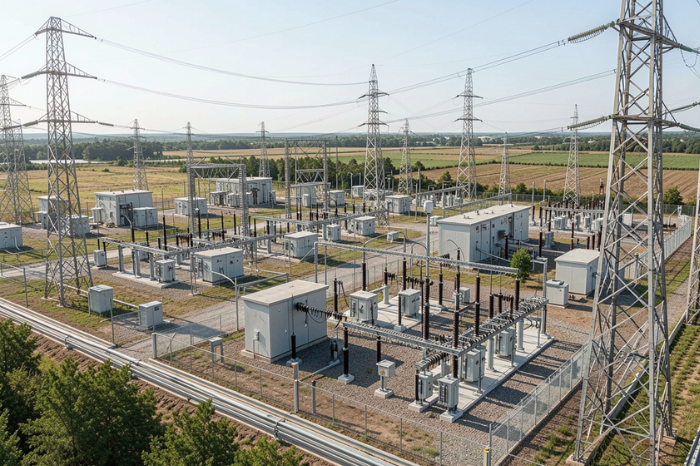
Utility-scale solar farms are transforming the global energy landscape by delivering clean, reliable, and cost-effective electricity at scale. Behind every successful project lies robust engineering that ensures performance, compliance, and long-term sustainability. From site assessment to grid integration, each phase requires technical precision and strategic planning.
This guide explores the essential aspects of utility-scale solar farm engineering, offering practical insights for developers, investors, and energy professionals.
Site Selection and Feasibility Analysis
The foundation of a successful solar farm begins with selecting the right site. Engineers evaluate several factors, including solar irradiance, land topography, soil conditions, and proximity to transmission infrastructure. High solar exposure and minimal shading are critical for maximizing energy output.
Feasibility studies also assess environmental impact, permitting requirements, and land use constraints. Early-stage analysis helps avoid costly delays and ensures that the project aligns with both technical and regulatory expectations.
Grid connection availability is another key consideration. Engineers must determine whether the existing grid can handle the additional load or if upgrades are required. This step directly influences project timelines and costs.
System Design and Layout Optimization
Once the site is confirmed, the design phase begins. Engineers develop a detailed layout that optimizes panel orientation, tilt angle, and spacing to maximize energy generation. Advanced simulation tools are used to model performance under different weather and seasonal conditions.
Electrical design is equally critical. This includes selecting inverters, transformers, and cabling systems that ensure efficient power conversion and minimal losses. Proper grounding and protection systems are also incorporated to enhance safety and reliability.
Modern solar farms often integrate tracking systems that adjust panel angles throughout the day. These systems increase energy yield but require precise engineering to balance performance with maintenance complexity.
Grid Integration and Compliance
Grid integration is one of the most technically demanding aspects of solar farm engineering. Utility-scale projects must comply with strict regulatory standards to ensure stable and secure operation within the power network.
This is where grid code compliance solutions play a vital role. Engineers conduct detailed studies, including load flow analysis, fault analysis, and stability assessments, to ensure the system meets grid requirements. These studies help identify potential issues such as voltage fluctuations, harmonics, or frequency instability.
Compliance also involves coordination with utility providers and regulatory bodies. Proper documentation, testing, and validation are necessary before the system can be connected to the grid. A well-engineered integration strategy ensures seamless operation and reduces the risk of penalties or shutdowns.
Construction and Project Execution
The construction phase transforms engineering designs into reality. Effective project management is essential to keep timelines and budgets under control. Engineers oversee procurement, logistics, and on-site installation to ensure quality standards are met.
Civil works include land grading, foundation construction, and mounting structure installation. Electrical installation involves laying cables, installing inverters, and connecting transformers. Each step must follow strict safety and quality protocols.
Coordination among multiple stakeholders—contractors, suppliers, and engineers—is critical for smooth execution. Regular inspections and testing ensure that the system performs as designed before commissioning.
Performance Optimization and Monitoring
After commissioning, continuous monitoring is essential to maintain optimal performance. Advanced monitoring systems track energy production, equipment health, and environmental conditions in real time.
Engineers analyze this data to identify inefficiencies, detect faults, and implement corrective actions. Predictive maintenance strategies help minimize downtime and extend the lifespan of critical components.
Performance optimization also includes periodic cleaning of panels, calibration of equipment, and software updates. These measures ensure that the solar farm operates at peak efficiency throughout its lifecycle.
Integration with Hybrid Renewable Systems
As energy systems evolve, many solar farms are being integrated with other renewable sources such as wind and energy storage. This hybrid approach enhances reliability and balances power generation across different conditions.
In such cases, coordination with utility-scale wind turbine services becomes essential. Engineers must design systems that can handle variable inputs from both solar and wind sources while maintaining grid stability. Energy storage solutions, such as battery systems, further improve flexibility by storing excess energy for later use.
Hybrid systems represent the future of renewable energy, offering improved efficiency and resilience in modern power networks.
Conclusion
Utility-scale solar farm engineering is a complex yet rewarding process that combines innovation, precision, and sustainability. From site selection and system design to grid integration and performance optimization, every stage plays a crucial role in delivering reliable clean energy.
With the growing demand for renewable solutions, investing in high-quality engineering practices is more important than ever. By leveraging advanced technologies and proven methodologies, companies like Keentel Engineering can ensure successful project delivery and long-term value.
If you’re planning a solar project or looking to optimize an existing one, expert engineering support can make all the difference. Reach out today to explore tailored solutions that meet your energy goals and ensure compliance with industry standards.

 English
 Arabic
 French
 Spanish
 Portuguese
 Deutsch
 Dutch
Dutch
 Italiano
 Russian
 Romaian
 Portuguese (Brazil)
 Greek
Greek