

Before You Build: Why Arboricultural Impact Assessments Are Required
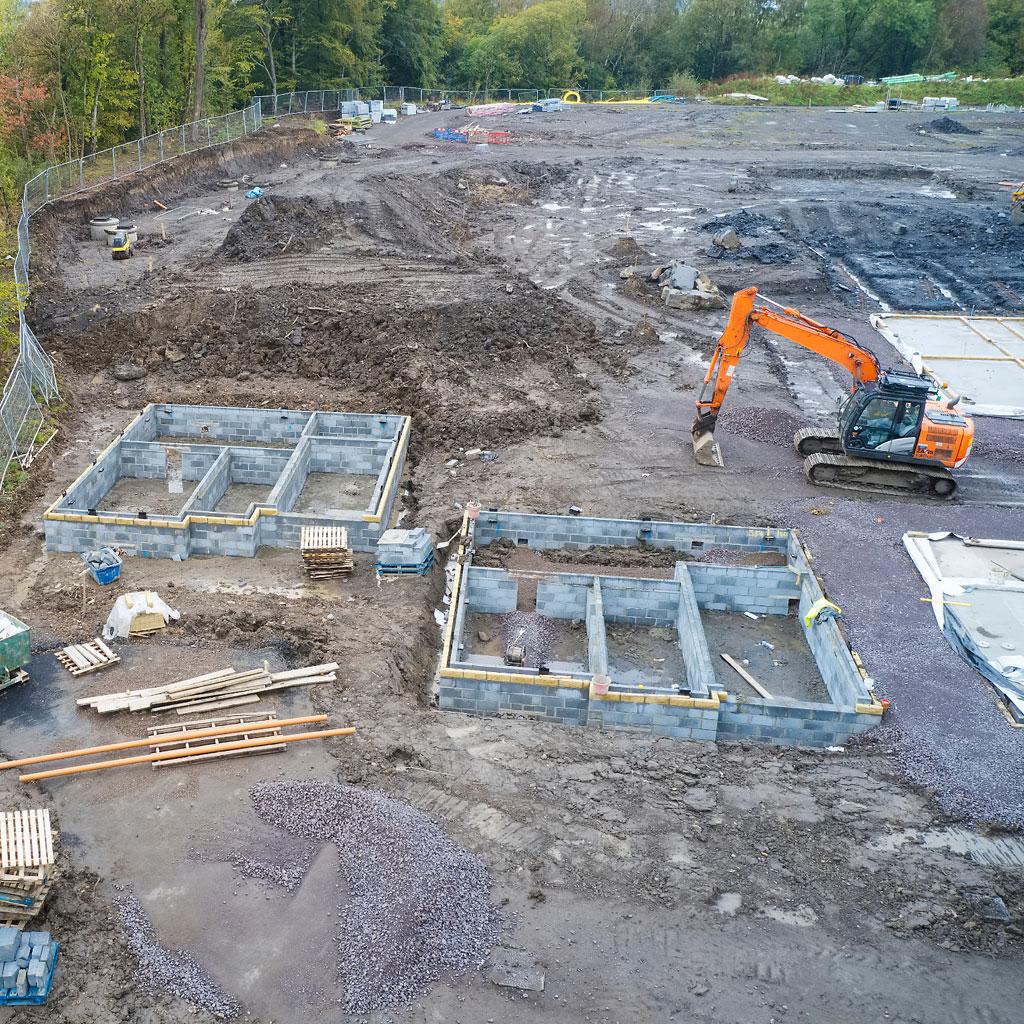
Planning a development project in Australia involves more than architectural drawings and construction schedules. One requirement that often catches property owners and developers off guard is the need for Arboricultural Impact Assessments.
While it may seem surprising at first, councils regularly require Arboricultural Impact Assessments to understand how a proposed development could affect nearby trees. These assessments help planners balance new construction with environmental protection, particularly in urban areas where mature trees play an important role in shade, biodiversity, and neighbourhood character.
The question many applicants ask is simple:
“Why are Arboricultural Impact Assessments required before construction begins?”
This guide explains how Arboricultural Impact Assessments work, why councils depend on them during development approvals, and how they help developers avoid delays while protecting valuable trees.
Quick Overview: Arboricultural Impact Assessments
Before diving deeper, here’s a quick snapshot of how Arboricultural Impact Assessments fit into the development process.
At a Glance
-
Arboricultural Impact Assessments evaluate trees near a development site
-
They analyse how construction may affect tree health and root systems
-
Councils use them to determine whether trees should be protected, pruned, or removed
-
Assessments often define Tree Protection Zones (TPZ) around significant trees
-
They include recommendations for protecting trees during construction
Put simply, Arboricultural Impact Assessments help developers build responsibly while reducing the risk of environmental damage or planning delays.
Want to understand how councils use these assessments when reviewing development applications? Keep reading.
Why Arboricultural Impact Assessments Matter
Trees might seem like a small detail compared with the overall scale of a development project. But in Australia’s planning system, they are taken very seriously.
Urban trees provide:
-
Shade that reduces urban heat
-
Habitat for wildlife
-
Improved air quality
-
Visual appeal for neighbourhoods
Because of these benefits, councils often require Arboricultural Impact Assessments to determine whether a development will harm important vegetation.
A well-prepared assessment ensures that construction and environmental protection can coexist.
What Arboricultural Impact Assessments Actually Examine
When an arborist conducts an Arboricultural Impact Assessment, they evaluate several key factors related to both the trees and the development plans.
Tree Identification and Condition
The first step is identifying all relevant trees on or near the site.
Typical details included in an assessment:
-
Tree species
-
Height and canopy spread
-
Trunk diameter
-
Structural condition
-
Estimated age
This information helps councils understand the ecological value of each tree.
Tree Protection Zones (TPZ)
One of the most important elements in Arboricultural Impact Assessments is the Tree Protection Zone.
The TPZ defines the minimum area around a tree that must remain undisturbed to protect the root system.
Protection measures may include:
-
Temporary fencing during construction
-
No excavation zones
-
Restrictions on heavy machinery
-
Soil protection measures
Healthy roots mean a healthy tree — and protecting roots is the primary goal of these zones.
Construction Impact Analysis
Next, arborists examine how construction activities might affect trees.
Common risk factors include:
-
Excavation close to roots
-
Soil compaction from heavy equipment
-
Changes to drainage patterns
-
Trenching for utilities
-
Building within canopy areas
This part of the Arboricultural Impact Assessment determines whether trees can realistically survive the development process.
Recommendations for Tree Management
Finally, the assessment provides practical recommendations.
These may include:
-
Adjusting building placement
-
Installing protective fencing
-
Pruning branches safely
-
Monitoring trees during construction
-
Removing trees that pose safety risks
The goal is to reduce tree damage while allowing development to proceed.
Did You Know?
A surprising number of development delays occur because Arboricultural Impact Assessments are requested late in the planning process.
If trees are identified early, architects and developers can design projects around them instead of redesigning plans after submission.
In other words, trees are easier to work with when you plan for them early.
Expert Insight
Urban planning professionals often stress the importance of considering trees from the beginning.
“The most successful developments integrate tree protection during the design stage rather than treating it as a last-minute compliance task.”
That simple shift can prevent major approval delays.
Quick Guide: Avoiding Tree Issues Before Construction
Imagine you’re preparing to submit a development application. Your design is finished, approvals seem straightforward, and construction planning is underway.
Then council asks for an Arboricultural Impact Assessment.
Suddenly the project timeline slows down.
Common Challenges
Developers frequently ask:
-
“Will this tree affect where my building can go?”
-
“Can construction damage tree roots even if the tree looks far away?”
-
“Do I need to redesign the site to protect nearby trees?”
These concerns are extremely common.
How to Solve It
Assess trees early
Identify trees on the site before finalising development plans.
Understand protection zones
Tree Protection Zones can influence building placement and excavation areas.
Work with qualified arborists
Professional arborists provide accurate assessments that councils trust.
Communicate tree protection to builders
Construction teams should understand the limits of tree protection areas.
Why It Works
When Arboricultural Impact Assessments are integrated into the planning phase, development projects move through approval processes more efficiently while protecting valuable trees.
Quick Quiz: Could Trees Affect Your Development?
Answer these questions before submitting your development application.
1. Are there mature trees on or near your building site?
☐ Yes
☐ No
2. Will excavation or trenching occur near existing trees?
☐ Yes
☐ No
3. Are there council regulations protecting trees in your area?
☐ Yes
☐ Not sure
If you answered “Yes” or “Not sure” to two or more questions, your development may require an Arboricultural Impact Assessment.
Survey: What Developers Find Most Challenging
Which planning issue causes the most stress for developers?
-
Council approval delays
-
Environmental regulations
-
Tree protection requirements
-
Unexpected design changes
Interestingly, many developers report that tree-related requirements are one of the most unexpected planning obstacles.
FAQs About Arboricultural Impact Assessments
Do all developments require Arboricultural Impact Assessments?
Not always. However, many councils require them when development may affect nearby trees. Large trees, protected species, or developments close to vegetation are the most common triggers.
Who prepares Arboricultural Impact Assessments?
These assessments are typically completed by qualified arborists or arboricultural consultants trained in tree biology and urban forestry.
Their expertise ensures councils receive reliable information about tree health and construction impacts.
Can an Arboricultural Impact Assessment recommend removing trees?
Yes, but removal is usually considered a last option.
A tree may be recommended for removal if it is:
-
Structurally unsafe
-
Severely diseased
-
Impossible to protect during construction
However, councils often prefer tree retention wherever possible.
How long does it take to prepare an Arboricultural Impact Assessment?
The timeframe depends on:
-
Site size
-
Number of trees
-
Development complexity
Most Arboricultural Impact Assessments can be completed within several days to a few weeks.
Conclusion
For developers across Australia, Arboricultural Impact Assessments are an important part of responsible project planning. They help councils evaluate how proposed construction might affect surrounding trees and ensure valuable vegetation is protected wherever possible.
Rather than viewing them as a barrier, developers can see these assessments as a practical planning tool. By identifying tree constraints early, adjusting site layouts when necessary, and implementing protective measures during construction, projects can move forward smoothly. In the long run, Arboricultural Impact Assessments support sustainable development while helping developers avoid unexpected approval delays and costly redesigns.

 English
 Arabic
 French
 Spanish
 Portuguese
 Deutsch
 Turkish
 Italiano
 Russian
 Romaian
 Portuguese (Brazil)
 Greek
Greek