

Pre-Handover Inspections: The Final Check Before Moving In
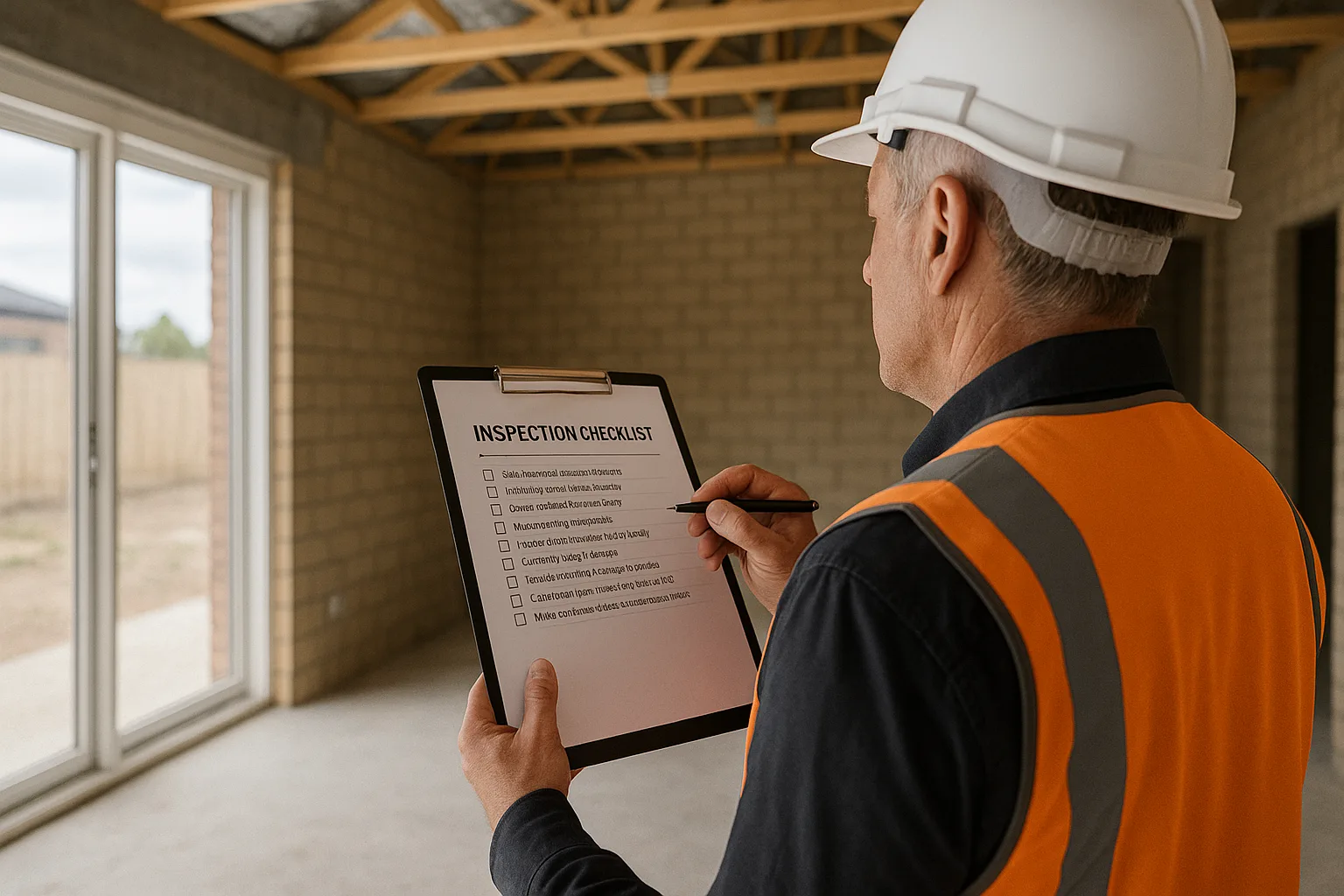
Moving into a brand-new home is an exciting milestone. After months of planning, construction, and anticipation, receiving the keys feels like the final step before starting the next chapter.
But before that moment arrives, there’s one important stage that buyers should never skip: Pre-Handover Inspections.
These inspections act as the final quality check on a newly built property. They help identify construction defects, unfinished work, or safety concerns before the builder officially hands the home over to the owner.
If you've ever asked yourself “What exactly happens during Pre-Handover Inspections?”, this guide explains the process clearly and shows why this final inspection can save homeowners significant time, money, and frustration.
Quick Overview: What Pre-Handover Inspections Involve
Before diving into the details, here’s a quick snapshot of what Pre-Handover Inspections are designed to do.
During this inspection, a qualified inspector reviews the newly built property to confirm that:
-
Construction meets acceptable quality standards
-
Fixtures and fittings are properly installed
-
Finishing work is completed correctly
-
There are no obvious defects or safety risks
Common issues found during Pre-Handover Inspections include:
-
Poor paint finishes
-
Crooked tiles or uneven flooring
-
Misaligned doors or windows
-
Plumbing leaks
-
Electrical problems
The inspector documents these issues in a report so the builder can fix them before the homeowner officially takes possession of the property.
Want to understand what inspectors actually check during these inspections? Keep reading.
Why Pre-Handover Inspections Matter for New Homes
Many people assume that brand-new homes are automatically perfect.
Unfortunately, construction projects involve many trades, tight deadlines, and complicated coordination. Small mistakes can happen along the way.
That’s why Pre-Handover Inspections are important.
They help homeowners:
-
Identify defects before accepting the property
-
Ensure the builder completes outstanding work
-
Avoid disputes after moving in
-
Confirm that construction meets expected standards
Bold truth: A new home can still have defects. The inspection simply ensures those problems are identified early.
What Inspectors Check During Pre-Handover Inspections
A professional inspection typically covers multiple areas of the property.
Inspectors carefully assess both structural components and finishing details.
1. Interior Finishes
The interior of a new home often reveals small defects that may not be obvious during a quick walkthrough.
Inspectors check for:
-
Paint consistency and surface finish
-
Wall and ceiling alignment
-
Tile placement and grout quality
-
Floor installation issues
Even minor cosmetic problems can affect the overall quality of the home.
2. Doors, Windows, and Fixtures
Inspectors also test the functionality of doors, windows, and built-in fixtures.
They examine whether:
-
Doors open and close smoothly
-
Windows seal properly
-
Locks and handles operate correctly
-
Cabinets and wardrobes are installed properly
Did You Know?
Misaligned doors and windows are among the most common issues found during Pre-Handover Inspections.
Sometimes a door simply refuses to close properly, which becomes annoying very quickly when it’s your bathroom door.
3. Plumbing and Water Systems
Water systems are another key inspection area.
Inspectors check for:
-
Leaks under sinks
-
Proper drainage in bathrooms and kitchens
-
Water pressure issues
-
Correct installation of taps and fittings
Small plumbing problems can turn into expensive repairs if left unnoticed.
4. Electrical Systems
Electrical installations must be safe and compliant.
During Pre-Handover Inspections, inspectors review visible electrical elements such as:
-
Light switches and outlets
-
Safety switches
-
Installed lighting fixtures
-
Wiring safety where accessible
Electrical defects are taken seriously because they can pose safety risks.
5. Exterior and Structural Elements
The inspection also extends to the outside of the property.
Inspectors review:
-
Exterior wall finishes
-
Roof condition
-
Drainage systems
-
Driveways and pathways
The goal is to confirm that construction work has been completed correctly and that there are no visible structural concerns.
Pro Tip: Don’t Rush the Final Walkthrough
Builders often schedule the final walkthrough shortly before handover.
It can be tempting to rush through the process because you're excited to move in.
But this is the moment to be thorough.
A Pre-Handover Inspection is your last chance to identify issues before accepting the property.
After handover, resolving problems may take longer and involve more complicated discussions.
Quick Guide: Preparing for a Pre-Handover Inspection
Imagine this situation.
Your new home is almost ready, and the builder schedules the final walkthrough. Everything looks finished, and you’re eager to move in.
But you’re not sure what to look for.
Common Challenges Buyers Face
-
“How do I know if something is actually a defect?”
-
“What if I miss something important?”
-
“Will the builder fix problems after handover?”
Practical Ways to Handle the Inspection
Bring an Independent Inspector
A professional inspector understands construction standards and can identify issues most buyers would miss.
Take Your Time
Walk through every room carefully. Check fixtures, switches, taps, and doors.
Document Everything
Photos and notes help ensure defects are properly recorded before handover.
Review the Report with the Builder
Discuss any issues identified so they can be addressed before final completion.
Why This Works
A structured inspection helps ensure the builder delivers the home in the condition promised during construction.
It also reduces the chance of unexpected repair issues appearing shortly after moving in.
If you’re unsure about the inspection process, getting professional help can make things much easier.
Quick Survey: Are Buyers Prepared for Pre-Handover Inspections?
Take a moment to think about these questions.
1. Did you know that new homes can still have construction defects?
-
Yes
-
No
-
I assumed everything would be perfect
2. Would you feel confident spotting building defects yourself?
-
Yes
-
Maybe
-
Probably not
3. Would you consider hiring an independent inspector before handover?
-
Definitely
-
Possibly
-
Not necessary
Most homeowners realise quickly that professional inspections offer peace of mind during the handover process.
FAQs About Pre-Handover Inspections
When should Pre-Handover Inspections be conducted?
Pre-Handover Inspections are usually scheduled just before the builder declares the property complete.
This allows any defects to be identified and corrected before ownership is officially transferred.
Timing matters because once the handover occurs, responsibility for certain issues may become less clear.
What happens if defects are found?
If problems are identified during Pre-Handover Inspections, they are documented in a report.
The builder typically receives a list of defects that must be addressed before final completion.
These issues may include:
-
Cosmetic repairs
-
Installation corrections
-
Minor construction fixes
Most reputable builders resolve these items before handover.
Are Pre-Handover Inspections required in Australia?
They are not legally required, but they are widely recommended.
Many homeowners choose to arrange inspections to ensure their new home meets acceptable quality standards before moving in.
Can inspectors find every defect?
No inspection can guarantee that every issue will be discovered.
However, professional inspectors can identify the majority of visible construction defects and highlight potential concerns.
Their experience often allows them to spot problems that buyers might overlook.
Conclusion
Buying a newly built home is a major milestone, and reaching the handover stage is an exciting moment for any homeowner. However, before accepting the keys, it’s important to take one final step to ensure everything has been completed correctly.
This is where Pre-Handover Inspections play a critical role. They provide an independent assessment of the property’s condition, helping homeowners identify defects, unfinished work, or quality concerns before moving in.
For Australian buyers, this inspection offers valuable peace of mind. It confirms that the home meets expected construction standards and gives builders the opportunity to fix problems before the handover process is complete.
And when you’re about to move into a brand-new home, knowing everything has been properly checked makes that first day even better.

 English
 Arabic
 French
 Spanish
 Portuguese
 Deutsch
 Turkish
 Dutch
Dutch
 Italiano
 Russian
 Romaian
 Greek
Greek